
A properly installed chimney liner is one of the most important components of a safe, efficient chimney system. At Brickliners, our CSIA-certified technicians install, repair, and resurface chimney liners for homeowners across Burlington and Vermont—ensuring your home stays protected and your system performs the way it should.

Why Chimney Liners Are So Important
During a fire, temperatures inside the flue can climb quickly. A chimney liner prevents that heat from transferring to nearby walls, framing, and other combustible materials, reducing the risk of structural damage or chimney fires.
- Protect Masonry from Combustion Byproducts
Smoke, acids, and moisture created during combustion can erode brick and mortar over time. A quality chimney liner shields your masonry from these corrosive byproducts and preserves the long-term integrity of your chimney.
- Ensure Safe and Efficient Venting
A liner helps maintain proper airflow, allowing smoke and carbon monoxide to vent safely outside. Without a functioning liner, your fireplace or appliance may draft poorly, operate inefficiently, or pose serious health risks.
Types of Chimney Liners We Install
When it comes to liners, there are many different materials used, all with different properties, advantages, and disadvantages. A professional CSIA-certified chimney sweep, like those at Brickliners, can tell you what type of liner is best for your particular chimney:

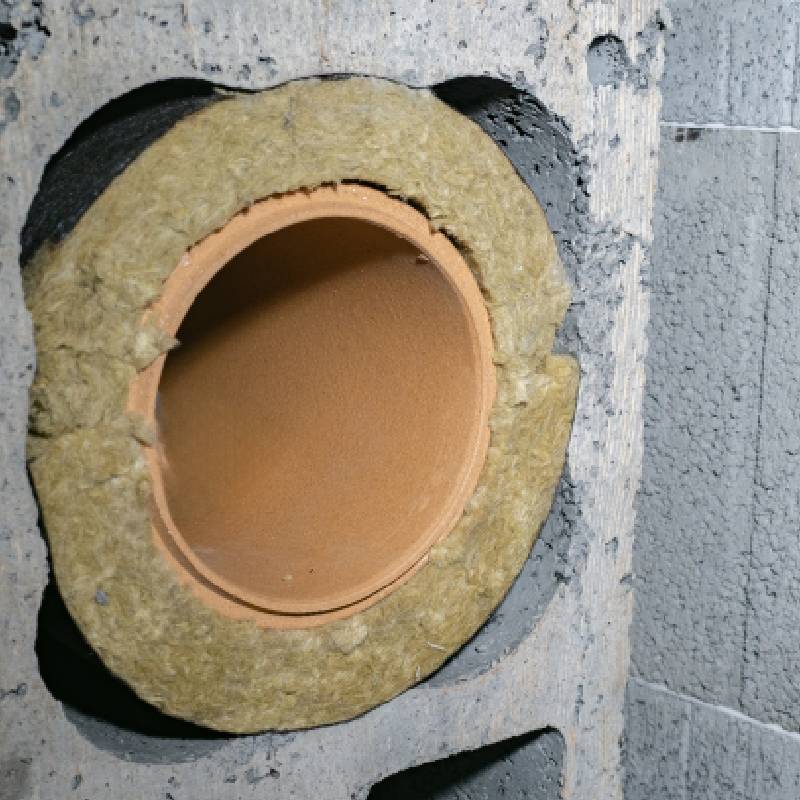
Clay Tiles / Terra Cotta Liners: Durable and cost-effective, clay tile liners are common in older chimneys. They work well but can crack over time and often require repair or upgrading.
Metal Chimney Liners (Stainless Steel & Aluminum): Stainless steel and aluminum liners offer long-lasting protection, excellent venting performance, and compatibility with most fuel types, making them a reliable choice for modern chimney systems.
Cast-In-Place Liners: Cast-in-place liners create a seamless, insulated barrier that strengthens older chimneys, improves safety, and enhances venting efficiency for wood, gas, or oil appliances.
FireGuard® Repairs and Resurfacing: Fireguard® restores damaged clay tile liners by sealing cracks and resurfacing the flue interior, providing a durable, code-compliant alternative to full liner replacement.
Our Installation Process
Installing a chimney liner requires careful planning, precise measurements, and the right materials to ensure your system performs safely and efficiently. Here’s what the professional installation process typically involves:
Professional Installation Process
We begin with a full chimney inspection, then determine the correct liner size and material for your heating system. Our technicians install the liner with high-temperature insulation and performs a complete safety test to ensure everything functions properly.
Why DIY Installation is Dangerous
Liner installation must be precise. Improper sizing, poor insulation, or incorrect materials can lead to carbon monoxide leaks, chimney fires, or system failure. For safety and code compliance, liner installation should always be handled by a certified professional.

Signs You May Need a Chimney Liner Replacement
A failing chimney liner can lead to safety risks, poor performance, and expensive structural damage. Here are the most common warning signs homeowners should watch for:
- Cracks or Spalling Tiles: Damaged or missing clay tiles signal that your liner is compromised and likely needs repair or full replacement.
- Smoke or Odor Issues: Smoke backing into the room or persistent odors often indicate deterioration or improper venting inside the flue.
- Poor Drafting or Venting: Hard-to-start fires, weak draft, or excess condensation typically point to liner damage affecting airflow.
If you notice any of these issues, a professional chimney inspection can determine the extent of the problem and the best solution.
Call Brickliners for Chimney Liner Installation or Replacement
Brickliners has been serving Vermont’s chimney lining and relining needs for years. Call us today at (802) 872-0123 or click here to request your appointment!
One of the most-asked-for chimney or fireplace services we offer is a regular and thorough chimney sweeping. It’s a simple way to help ensure your family’s safety.
Chimney Liners Gallery


Frequently Asked Questions About Chimney Liners
What is a chimney liner, and why do I need one?
A liner protects your home from heat, improves venting, and prevents corrosive damage to the chimney. It is required by modern building codes.
How do I know if my chimney liner needs to be replaced?
Cracked tiles, poor draft, smoke problems, or a failed inspection are common indicators.
What types of liners are available?
Clay tiles, stainless steel, aluminum, cast-in-place, and FireGuard® resurfacing options.
Can I install a chimney liner myself?
DIY installation is unsafe and not code-compliant. Professional installation ensures proper sizing, insulation, and performance.
How long does a chimney liner last?
Stainless steel liners and FireGuard Ceramic resurfacing come with a lifetime warranty. Clay tile flues are not a recommended repair since they are prone to cracking
How much does it cost to install a chimney liner in Burlington, VT?
Costs vary depending on the liner type, chimney size, and condition. We provide clear, upfront pricing after inspection.
How often should my chimney liner be inspected?
At least once a year, or before each burning season, per CSIA recommendations.
What is FireGuard® and how does it work?
The FireGuard system is specifically designed to correct open mortar joints, misaligned flue liners, and fractures within flue liners. FireGuard is the only certified ceramic resurfacing and mortar joint repair system of it’s kind..
Can a chimney liner improve heating efficiency?
Proper sizing improves draft, reduces smoke, and helps your appliance burn more cleanly and efficiently.