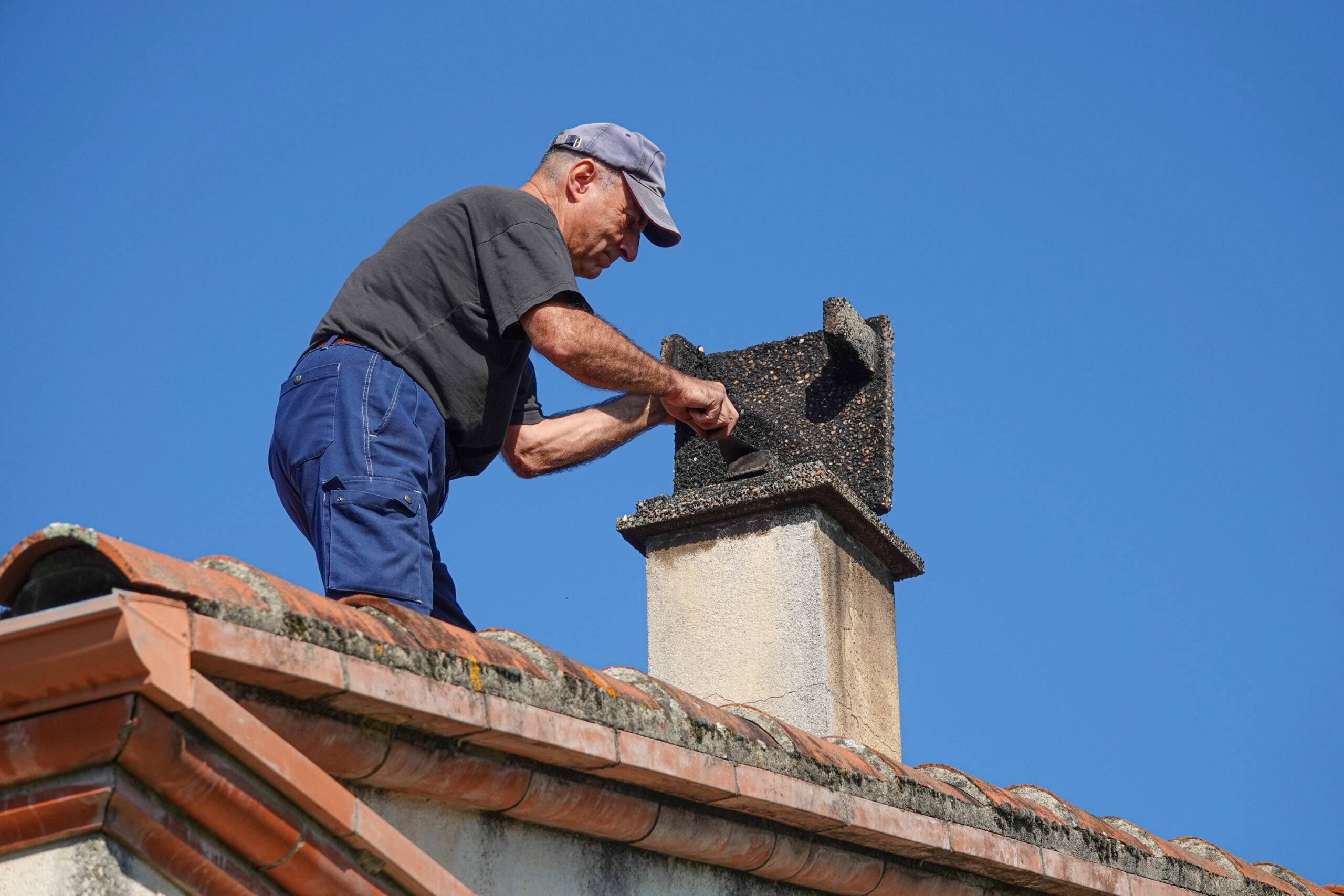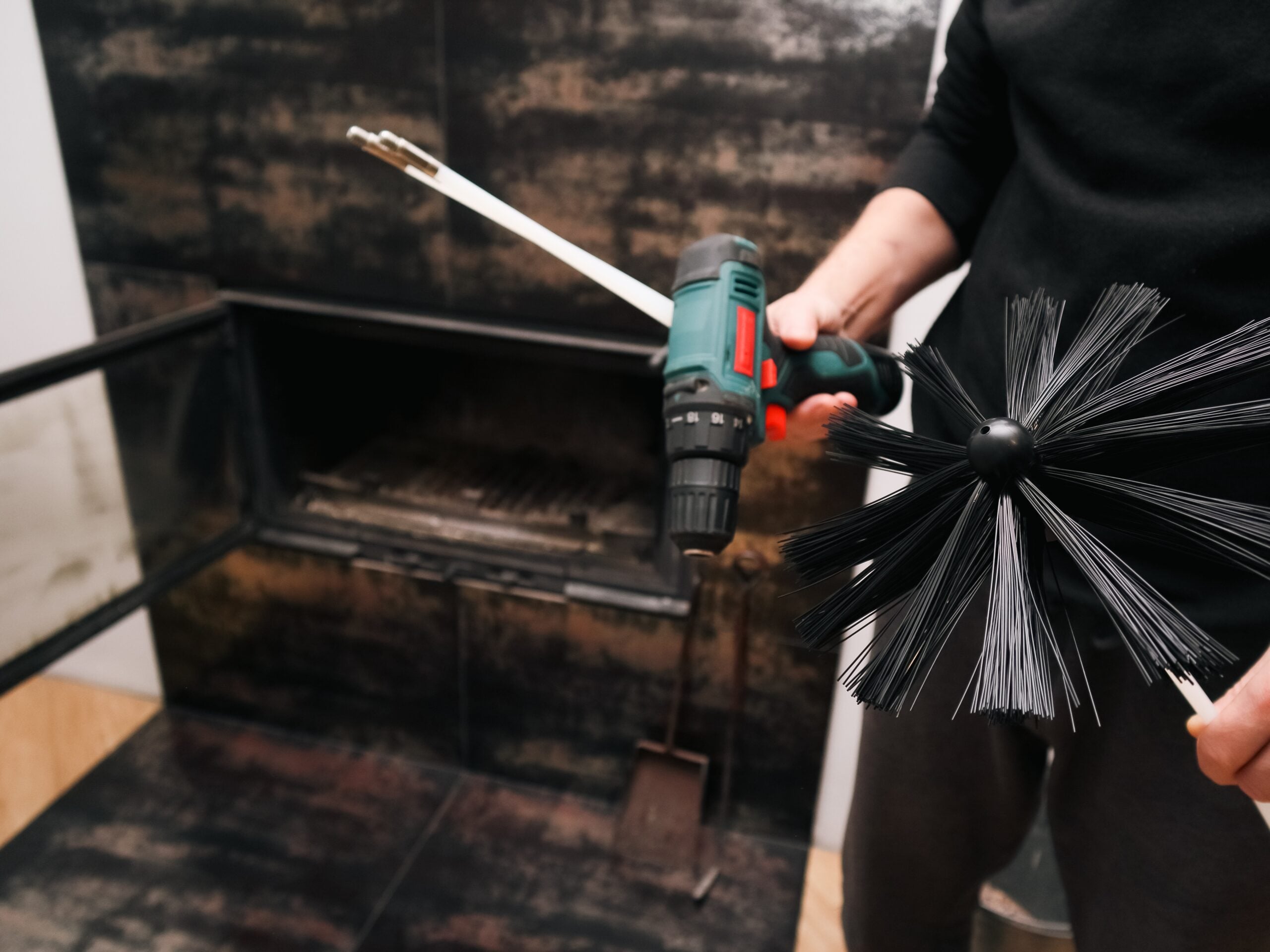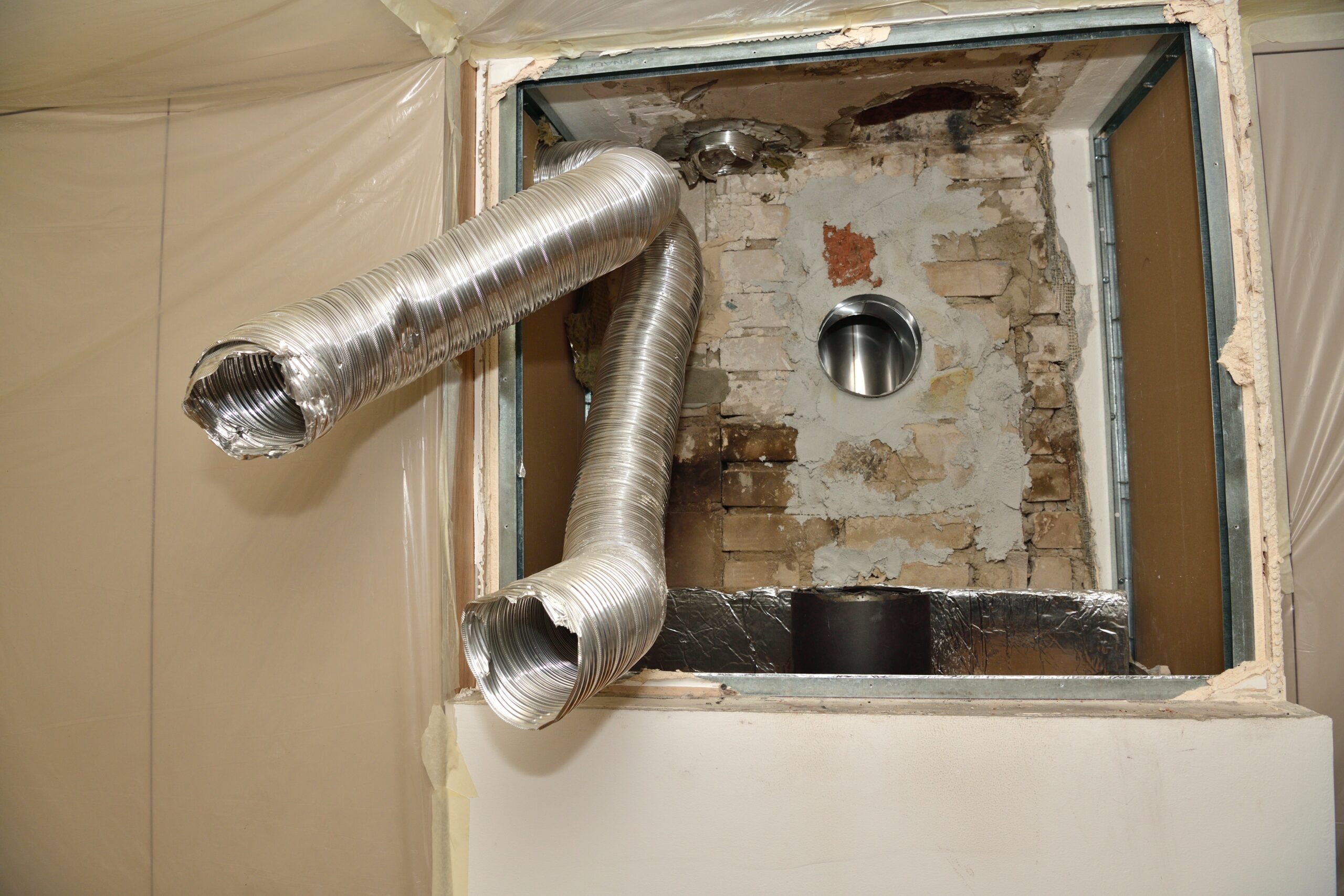
Chimney leaks are one of the most frustrating and damaging issues homeowners face, especially when the source isn’t immediately obvious. In many cases, the real problem isn’t the roof shingles or the chimney itself—it’s the flashing system where the chimney meets the roof. Chimney flashing repair is a critical solution that stops water intrusion at one of the most vulnerable transition points on your home, protecting both your roof and chimney from long-term damage.
When flashing fails, water doesn’t just drip inside—it silently works its way into masonry, framing, insulation, and ceilings. Over time, that moisture can cause rot, mold growth, and costly structural repairs. Understanding how chimney flashing works, why it fails, and when professional repair is necessary can help you prevent leaks for good rather than relying on temporary fixes that don’t last.
What Is Chimney Flashing and Why It Matters
Chimney flashing is a system of metal components installed at the joint where the chimney penetrates the roof surface. Its primary job is to create a watertight seal that directs rain, melting snow, and runoff away from the chimney and safely down the roofline. Without properly installed flashing, water naturally finds its way into gaps between the roof and chimney masonry.
Because chimneys are rigid structures and roofs are designed to move slightly with temperature changes, flashing must accommodate this movement while maintaining a tight seal. When flashing is missing, damaged, or improperly installed, even a well-built roof can develop persistent leaks that appear around ceilings, walls, or fireplace areas.
How Chimney Flashing Prevents Water Damage
Flashing acts as a controlled drainage system rather than a simple seal. Instead of blocking water outright, it guides moisture away from vulnerable seams and directs it onto the roof surface where it can safely run off. This layered design prevents water from pooling against masonry or seeping beneath roofing materials.
When flashing is intact, it protects roof decking, rafters, attic insulation, and interior finishes from water exposure. It also helps preserve chimney components such as mortar joints, liners, and crowns by limiting prolonged moisture contact. Proper flashing is one of the most effective defenses against slow, hidden water damage.
Common Causes of Chimney Flashing Failure
Weather Exposure & Freeze-Thaw Cycles
In climates with frequent rain, snow, and freezing temperatures, flashing is constantly exposed to harsh conditions. Water that seeps into tiny gaps can freeze and expand, gradually widening seams and pulling flashing away from the chimney or roof surface. Over time, these freeze-thaw cycles weaken both metal and surrounding materials.
Improper Installation or Aging Materials
Flashing that was installed incorrectly from the start often fails prematurely. Common issues include shallow counter flashing, improper overlaps, or reliance on sealants instead of mechanical fastening. Even well-installed flashing can deteriorate as metal corrodes, sealants dry out, or mortar joints crumble with age.
Roof Movement & Structural Shifting
Roofs naturally expand and contract with temperature changes, while chimneys remain stationary. This movement places stress on flashing joints, especially if the system wasn’t designed to accommodate flexibility. Structural settling over time can also create small separations that allow water intrusion.
Signs You Need Chimney Flashing Repair
Many homeowners first notice flashing problems through indirect symptoms rather than visible damage. Water stains on ceilings or walls near the chimney, damp smells, peeling paint, or warped drywall are common warning signs. In the attic, you may see moisture on rafters or dark staining around the chimney penetration.
Exterior indicators include loose or lifted flashing, cracked sealant lines, rusted metal, or gaps between flashing and masonry. If leaks appear during heavy rain or snowmelt but disappear in dry weather, flashing is often the culprit.
Why Chimney Flashing Repair Is Critical in Maine’s Climate
Maine’s climate places exceptional stress on chimney and roof systems. Long winters, heavy snowfall, ice dams, and repeated freeze-thaw cycles accelerate flashing deterioration. Snow accumulation around chimneys can trap moisture for extended periods, increasing the risk of leaks once melting begins.
Coastal moisture and strong winds further challenge flashing systems, forcing water into even the smallest openings. In this environment, addressing flashing issues promptly is essential to prevent widespread water damage and preserve the integrity of both the roof and chimney structure.
Types of Chimney Flashing Systems
Step Flashing
Step flashing consists of individual metal pieces layered with roofing shingles along the sides of the chimney. Each piece overlaps the one below it, creating a stepped path that guides water downward. This system is highly effective when installed correctly and paired with proper counter flashing.
Counter Flashing
Counter flashing is embedded into the chimney’s mortar joints and overlaps the step flashing below. Its role is to protect the top edges of step flashing and prevent water from entering behind the system. Counter flashing is essential for masonry chimneys and must be properly cut into the brick or mortar.
Continuous (Apron) Flashing
Apron flashing is a single piece of metal installed at the front or back of the chimney where water runoff is heaviest. It provides broad coverage and helps direct water away from the chimney base, especially on the downslope side of the roof.
Chimney Flashing Repair vs Chimney Flashing Replacement
Not all flashing problems require full replacement. Minor issues such as small separations, loose sections, or localized corrosion may be addressed with targeted repair. However, if flashing is severely rusted, improperly installed, or integrated incorrectly with roofing materials, replacement is often the more reliable solution.
A professional evaluation determines whether repair will provide long-term protection or if replacement is necessary to fully resolve leak risks. Addressing underlying installation flaws is critical to avoiding repeat failures.
How Professional Chimney Flashing Repair Works
Professional repair begins with a thorough inspection of the chimney, roof intersection, and surrounding materials. Technicians assess flashing condition, mortar joints, roof shingles, and potential water entry points. Repairs may involve re-securing flashing, resealing joints, replacing damaged sections, or rebuilding counter flashing into the masonry.
High-quality materials and proper installation techniques ensure the repaired system can withstand weather exposure and roof movement. This approach addresses the root cause of leaks rather than masking symptoms.
Can Chimney Flashing Be Repaired Without Replacing the Roof?
In many cases, yes. Skilled professionals can access and repair flashing without disturbing large sections of the roof. This is especially true when roofing materials are still in good condition and properly integrated with the flashing system.
However, if shingles are severely worn or improperly layered around the chimney, partial roof work may be required to ensure a watertight repair. Each situation depends on roof age, material condition, and flashing design.
Why Temporary Caulking or Tar Repairs Fail
Caulking and roofing tar are often used as quick fixes, but they rarely provide lasting protection. These materials degrade under UV exposure, temperature swings, and moisture, leading to cracking and separation. Worse, they can trap water behind flashing, accelerating corrosion and masonry damage.
Temporary patches may stop leaks briefly, but they often make professional repair more difficult later by concealing underlying issues. Long-term solutions require proper flashing repair, not surface sealants.
Chimney Flashing Repair for Masonry Chimneys
Masonry chimneys present unique challenges because flashing must integrate with brick and mortar. Proper repair involves cutting counter flashing into mortar joints and sealing it correctly to allow movement while maintaining a watertight barrier.
Repairs may also include addressing deteriorated mortar or loose bricks to ensure flashing remains secure. This comprehensive approach protects both the chimney structure and the roof system it penetrates.
How Flashing Repairs Protect Your Chimney & Roof Structure
Effective flashing repairs prevent water from infiltrating critical structural components. By directing moisture away from vulnerable joints, repairs reduce the risk of wood rot, rusted fasteners, compromised insulation, and weakened framing.
Over time, this protection extends the lifespan of the roof, chimney, and interior finishes, helping homeowners avoid costly repairs caused by prolonged moisture exposure.
Best Time of Year for Chimney Flashing Repair
Late spring through early fall is often ideal for flashing repairs due to stable weather conditions. However, leaks should never be ignored, regardless of season. Emergency repairs can be performed during colder months to prevent active water damage, even if full restoration is scheduled later.
Addressing issues early helps prevent winter conditions from worsening existing damage.
How Chimney Flashing Repair Prevents Interior Water Damage
Interior damage from chimney leaks can include stained ceilings, warped drywall, damaged insulation, and mold growth. By sealing the primary entry point at the roof-chimney intersection, flashing repair stops water before it reaches interior spaces.
This proactive protection preserves indoor air quality, prevents structural decay, and maintains the comfort and safety of your home.
Schedule Professional Chimney Flashing Repair
If you suspect flashing issues, timely professional service is essential. A thorough inspection and properly executed chimney flashing repair can prevent minor leaks from turning into major structural problems. Contact us now!
Frequently Asked Questions About Chimney Flashing Repair
How long does chimney flashing repair last?
When performed correctly using quality materials, flashing repairs can last decades. Longevity depends on proper installation, climate conditions, and regular roof and chimney maintenance.
Can chimney flashing leaks cause mold or rot?
Yes. Persistent moisture from flashing leaks can lead to mold growth, wood rot, and insulation damage, especially when leaks go unnoticed for extended periods.
Is chimney flashing repair covered by insurance?
Coverage varies by policy and cause of damage. Sudden storm-related damage may be covered, while gradual wear and maintenance issues typically are not.
How much does chimney flashing repair cost?
Costs depend on the extent of damage, chimney size, roof type, and repair complexity. Professional inspections provide accurate estimates based on specific conditions.
Should flashing be repaired or replaced during roof replacement?
Flashing should almost always be replaced during roof replacement. This ensures proper integration with new roofing materials and prevents future leak issues.
Stop Chimney Leaks With Professional Flashing Repair
Don’t let persistent leaks compromise your home. Brickliners provides expert chimney and flashing solutions designed for Maine’s demanding climate. Contact us today to schedule professional chimney flashing repair and protect your home for years to come.