For many Maine homeowners, fireplaces and wood stoves are essential for staying warm through long, cold winters. But while lighting a fire may feel routine, maintaining the system that safely vents smoke and heat from your home is often overlooked. Cleaning the chimney is one of the most important steps you can take to protect your household from fire hazards, poor air quality, and long-term structural damage. Without regular maintenance, hidden buildup in the flue can quietly become a serious safety concern.
Why Cleaning the Chimney Is Critical for Home Safety
When a chimney isn’t cleaned regularly, byproducts of burning wood or other fuels begin to accumulate in the flue. Over time, this buildup affects both safety and performance.
Creosote is the biggest concern. This flammable substance forms as smoke cools inside the chimney and sticks to the flue walls. If allowed to accumulate, creosote can ignite during normal fireplace use, leading to dangerous chimney fires that may spread into the home.
A dirty chimney can also interfere with proper airflow. A restricted draft makes it harder for smoke and combustion gases to exit, increasing the risk of smoke entering your living space or carbon monoxide building up indoors. In addition to safety risks, trapped moisture mixed with soot and creosote accelerates the deterioration of liners, masonry, and metal components, shortening the life of the chimney system.
How Often Should You Be Cleaning the Chimney?
The Chimney Safety Institute of America (CSIA) recommends annual chimney inspections, with cleaning performed whenever buildup reaches unsafe levels. For most Maine homeowners, this means scheduling service at least once a year—typically before the heating season begins.
That said, the exact frequency depends on several factors:
- Type of fuel burned (seasoned hardwood vs. softwood or gas)
- How often the fireplace or stove is used
- The age and condition of the chimney and liner
Understanding how often you should clean your chimney comes down to how your system is used and how efficiently it vents. Homes that rely heavily on wood heat or have older chimneys often benefit from more frequent service.
Signs Your Chimney Needs Immediate Cleaning
Some warning signs are easy to spot and shouldn’t be ignored. These include:
- Strong smoke odors lingering in the home
- Soot buildup inside the firebox
- Difficulty starting or keeping a fire burning
- Black, sticky residue near the damper or flue opening
Any of these signs suggests restricted airflow or heavy creosote accumulation and should be addressed promptly to avoid fire or ventilation issues.
What Happens During a Professional Chimney Cleaning?
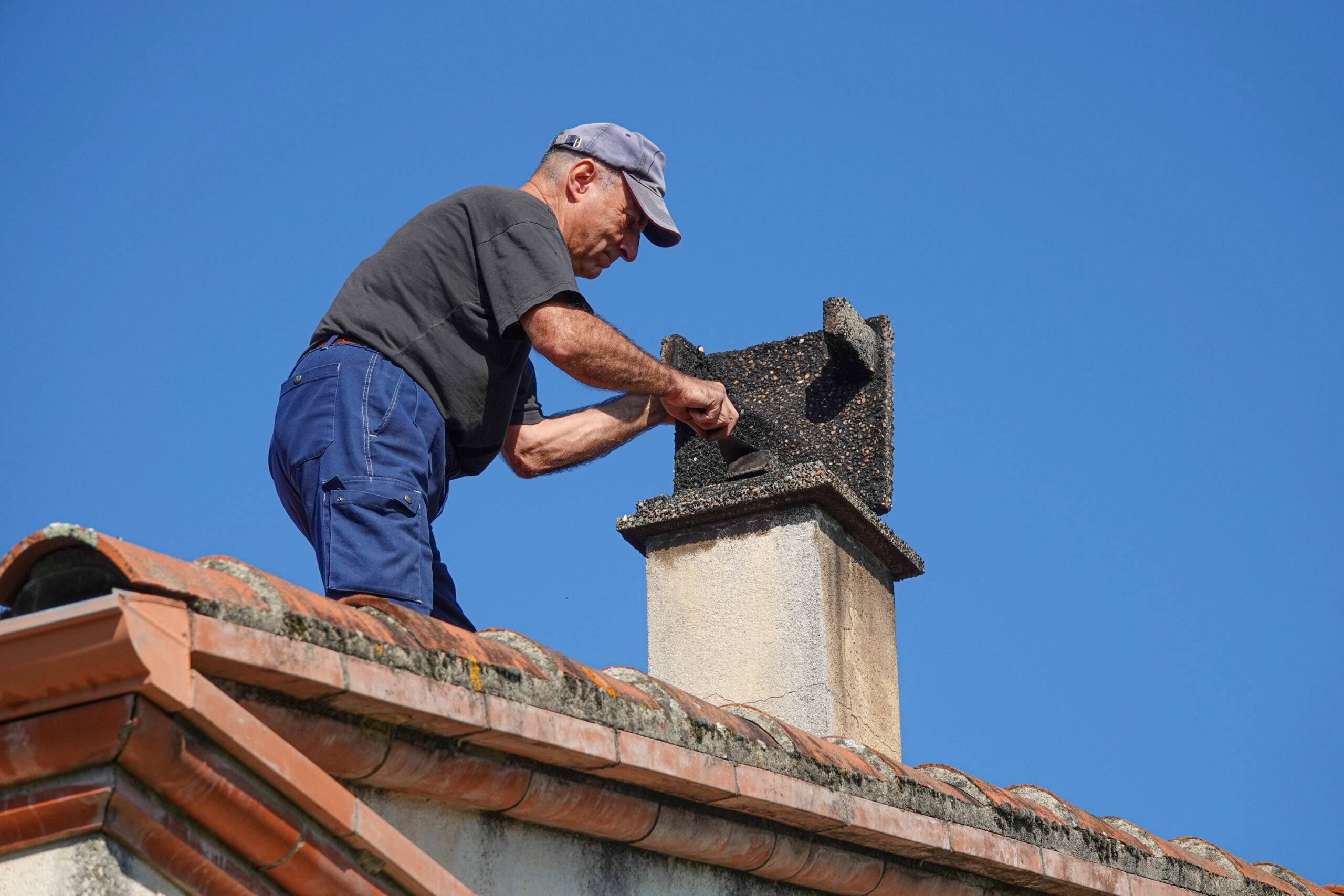
A professional chimney cleaning is more than just brushing soot away. Our team begins with a thorough inspection of the flue, firebox, damper, and visible chimney components to assess buildup, blockages, or damage.
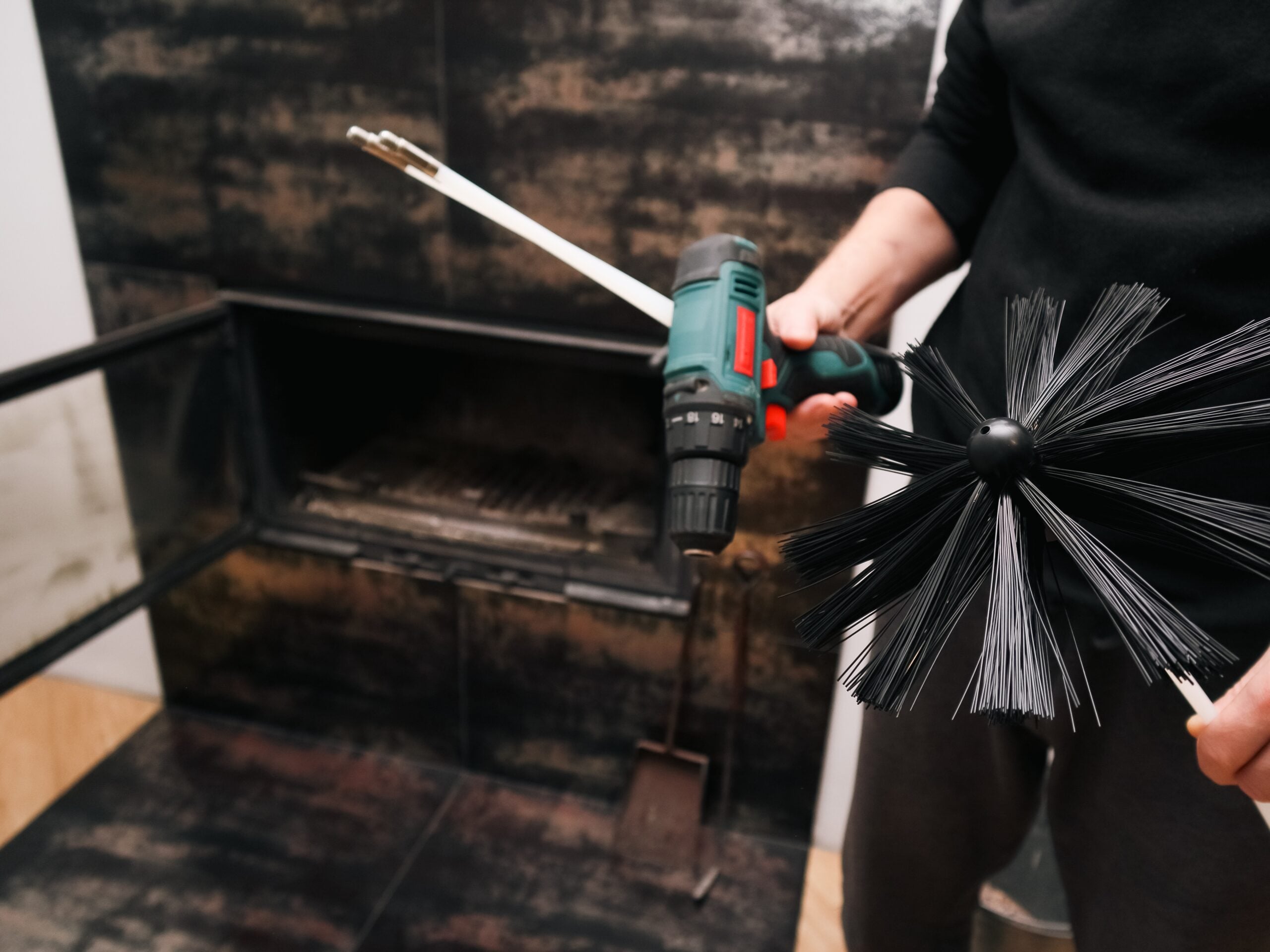
Next, we remove creosote, soot, and debris using specialized brushes and equipment designed to thoroughly clean the chimney without harming it. Blockages such as nests, leaves, or animal intrusion are also cleared during this process.
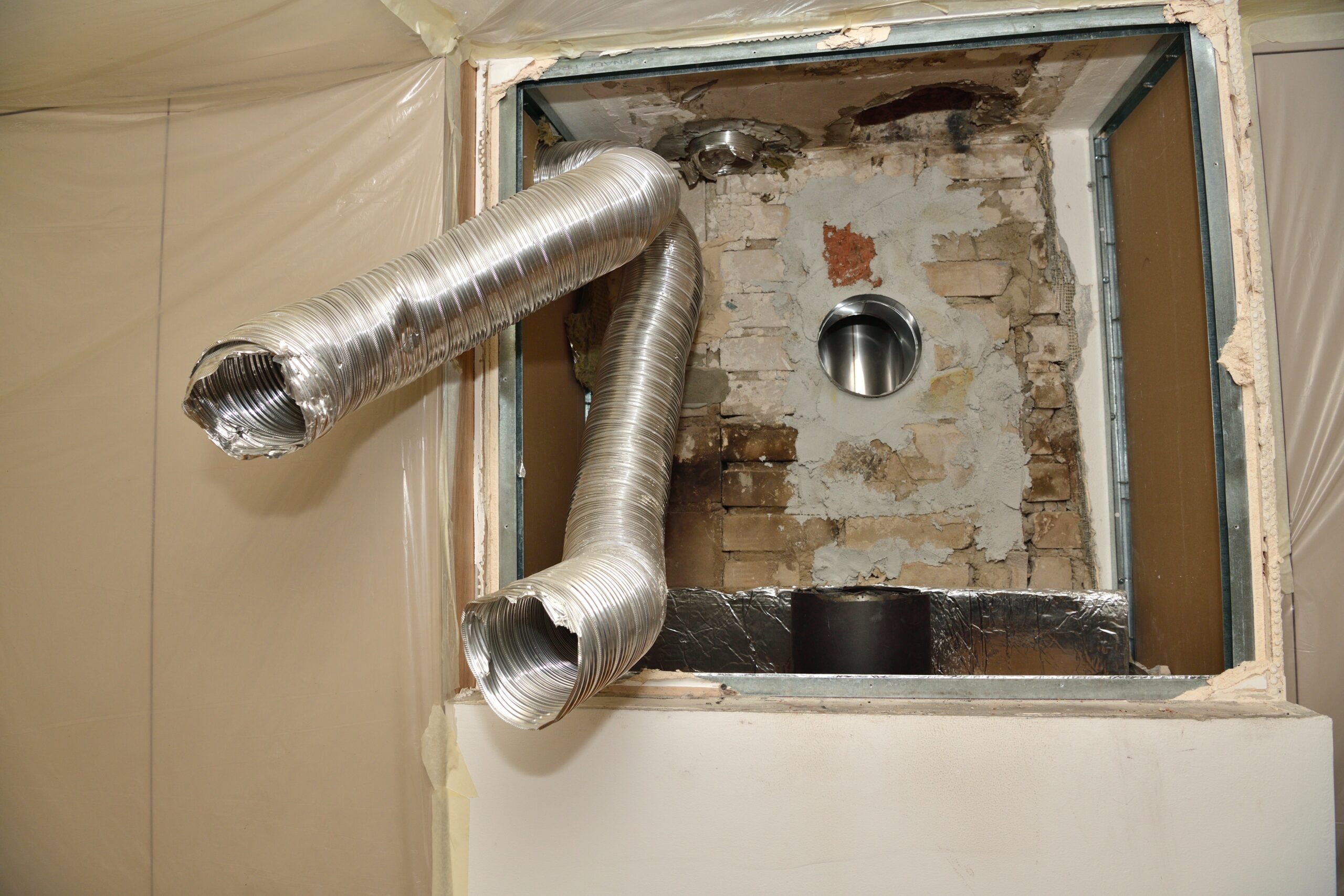
Once cleaning is complete, we perform a final safety and performance check to confirm proper draft and ventilation. If we identify concerns that require attention—such as liner damage or moisture issues—we review those findings with the homeowner so they can make informed decisions.
Why Professional Chimney Cleaning Is Especially Important in Maine
Maine’s climate presents unique challenges for chimney systems. Long winters mean fireplaces and stoves are used more frequently, which speeds up creosote buildup. Snow, ice, and moisture also combine with soot inside the flue, accelerating wear and corrosion.
Freeze-thaw cycles can worsen small issues over time, especially when moisture is present inside the chimney. This makes routine maintenance essential, not optional. Many homeowners begin searching for chimney cleaning services in Maine in late summer or early fall to ensure their systems are ready before cold weather arrives.
Can You Clean Your Chimney Yourself?
While DIY chimney-cleaning kits are available, they rarely remove hardened creosote effectively and cannot detect hidden safety issues. Improper tools or techniques may also damage the flue liner or leave dangerous residue behind.
Hiring a CSIA-certified chimney sweep ensures the chimney is cleaned thoroughly and inspected by trained professionals who understand safety standards, ventilation requirements, and local conditions. Professional service provides peace of mind that your chimney is truly ready for use.
How Chimney Cleaning Helps Prevent Chimney Fires
Routine chimney cleaning reduces fire risk in several important ways:
- Removes flammable creosote before it ignites
- Improves draft and ventilation efficiency
- Helps maintain compliance with safety and insurance standards
By keeping buildup under control, homeowners can enjoy their fireplaces with confidence throughout the heating season.
Schedule Professional Chimney Cleaning in Maine
Regular chimney maintenance is one of the simplest and most effective ways to protect your home, improve fireplace performance, and reduce fire risk. Our team provides professional inspections and cleanings tailored to Maine’s climate and heating demands. Contact us today to schedule your chimney service and prepare your home for the colder months ahead.
Frequently Asked Questions About Cleaning the Chimney
How long does chimney cleaning take?
Most cleanings take 45 minutes to an hour, depending on the buildup and the chimney’s condition.
Is chimney cleaning messy?
Professional equipment and protective measures keep soot and debris contained.
What time of year is best for chimney cleaning?
Late summer or early fall is ideal, before the heating season begins.
How much does chimney cleaning cost in Maine?
Pricing varies based on chimney type, condition, and buildup level.
Do gas fireplaces need chimney cleaning?
Gas systems still require inspections and occasional cleaning.
How do I know if my chimney is safe to use?
A professional inspection and cleaning is the most reliable way to confirm safety.