A warm fireplace makes your home feel comfortable, especially during colder months. However, every time you burn wood, a potentially dangerous substance can collect inside your chimney. That substance is called creosote, and understanding how it develops is essential for fireplace safety.
So, what is creosote, and why should homeowners be concerned? Creosote is a highly flammable residue produced when wood doesn’t burn completely. Over time, it can accumulate inside your chimney, restrict airflow, and increase the risk of a chimney fire.
How Creosote Forms in a Chimney
Creosote develops through a process called incomplete combustion. When burning wood, smoke carries gases, moisture, and unburned particles upward through the chimney flue. As these materials encounter cooler surfaces, they condense and leave deposits along the interior walls.
The amount of residue depends on several factors, including flue temperature, wood moisture, and airflow. Fires that burn inefficiently generally produce more smoke, creating conditions that allow creosote to form more quickly.
Both fireplaces and wood stoves can experience this problem. Without regular chimney cleaning, the deposits can become thicker and increasingly difficult to remove.
The Three Stages of Creosote Buildup
Not all creosote deposits look or behave the same way. Understanding the three types of creosote helps explain why some chimney conditions require more intensive cleaning than others.
Stage 1: Loose and Flaky
First-stage creosote typically appears as a dry, powdery substance similar to soot. It forms when wood burns under relatively efficient conditions, allowing smoke and combustion gases to move through the chimney.
Although these deposits are generally easier to remove with professional chimney sweeping equipment, they remain combustible. Routine maintenance helps prevent them from accumulating and progressing into more stubborn deposits.
Stage 2: Hard and Shiny Flakes
Second-stage creosote has a harder, shinier appearance and may develop into brittle, flaky deposits. It often forms when fires burn at lower temperatures, or airflow is restricted.
Unlike loose soot, these deposits can adhere firmly to the chimney walls. Removing them may require specialized tools and techniques that professional chimney sweeps use to address more difficult buildup.
Stage 3: Glazed and Tar-Like
Stage 3 creosote is particularly concerning because it forms a dense, hardened glaze inside the flue. This thick residue can develop after repeated exposure to smoky, low-temperature fires.
Glazed creosote is difficult to remove and can create a significant fire hazard. Because it contains combustible material, professional assessment is important before attempting further wood burning.
What Makes Creosote Build Up Faster
Several everyday fireplace habits can accelerate creosote buildup in chimney systems. Recognizing these conditions helps homeowners make safer choices and reduce unnecessary deposits.
Unseasoned Wood
Freshly cut wood contains substantial moisture, which makes efficient combustion more difficult. Much of the fire’s energy goes toward evaporating water instead of producing consistent heat.
As a result, wet wood often generates more smoke and cooler exhaust gases. Using properly seasoned firewood with a moisture content around 20% or lower can help reduce this problem.
Slow, Smoldering Fires
A fire needs plenty of air to burn efficiently. When oxygen is limited, flames weaken, combustion becomes less complete, and smoke production increases.
Smoldering fires can leave additional residue inside the chimney. Maintaining appropriate airflow and following your fireplace or wood stove manufacturer’s instructions can help support cleaner combustion.
A Cold or Oversized Flue
When smoke enters a cold chimney, its gases cool rapidly and may condense on the interior surfaces. This creates favorable conditions for sticky deposits to develop.
An oversized chimney flue can also allow exhaust gases to cool before leaving the system. Properly sized chimney liners help maintain suitable venting conditions, while regular chimney inspections can identify potential issues.
Why Creosote Removal Isn’t a DIY Job
Understanding what causes chimney fires starts with recognizing the danger of combustible deposits. When accumulated creosote is exposed to sufficient heat, it can catch fire inside the chimney, potentially damaging the flue and surrounding structures.
Because creosote is highly flammable, thick deposits can act as concentrated fuel during a chimney fire. Even a fire that goes unnoticed may damage chimney components and create hazards during future use.
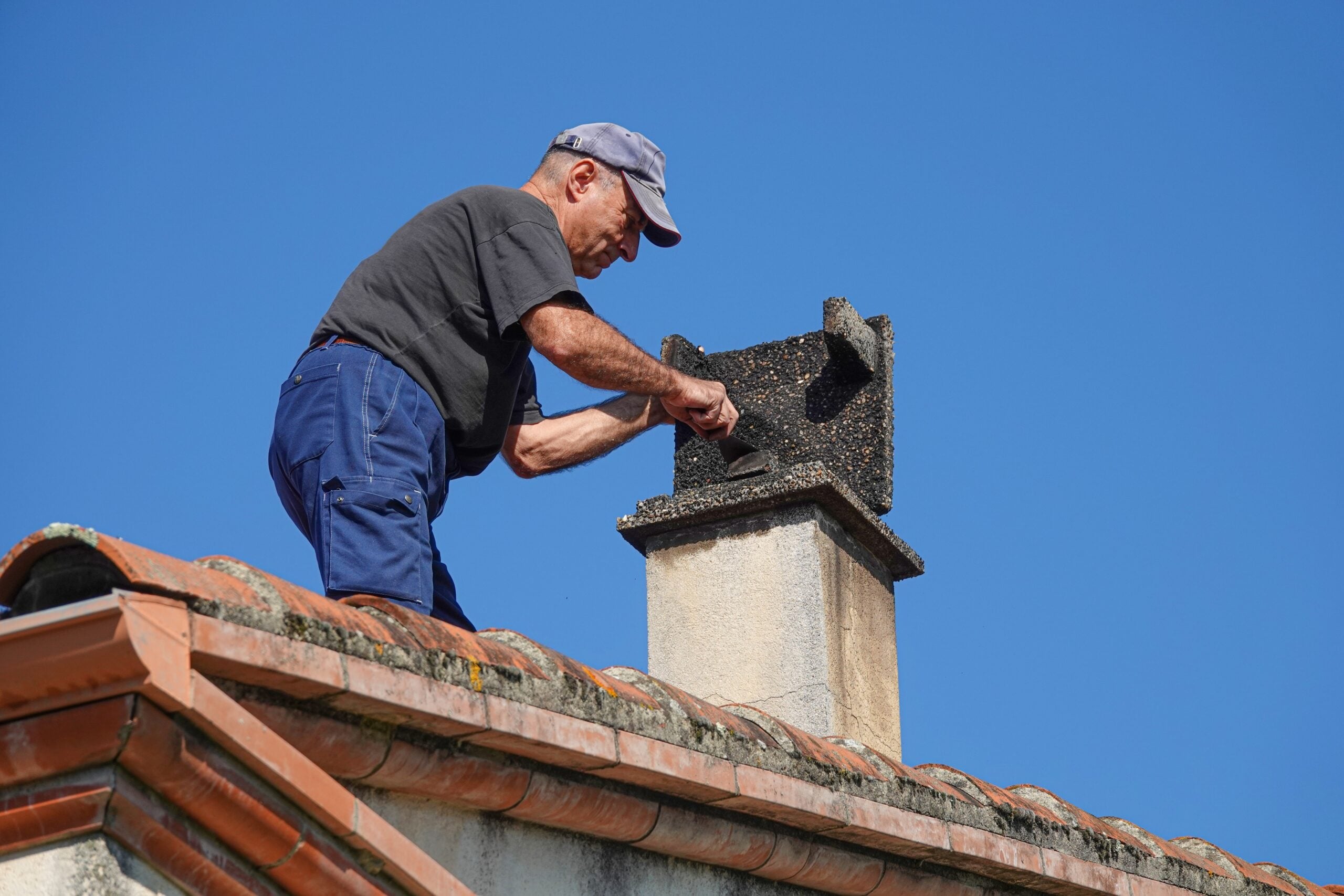
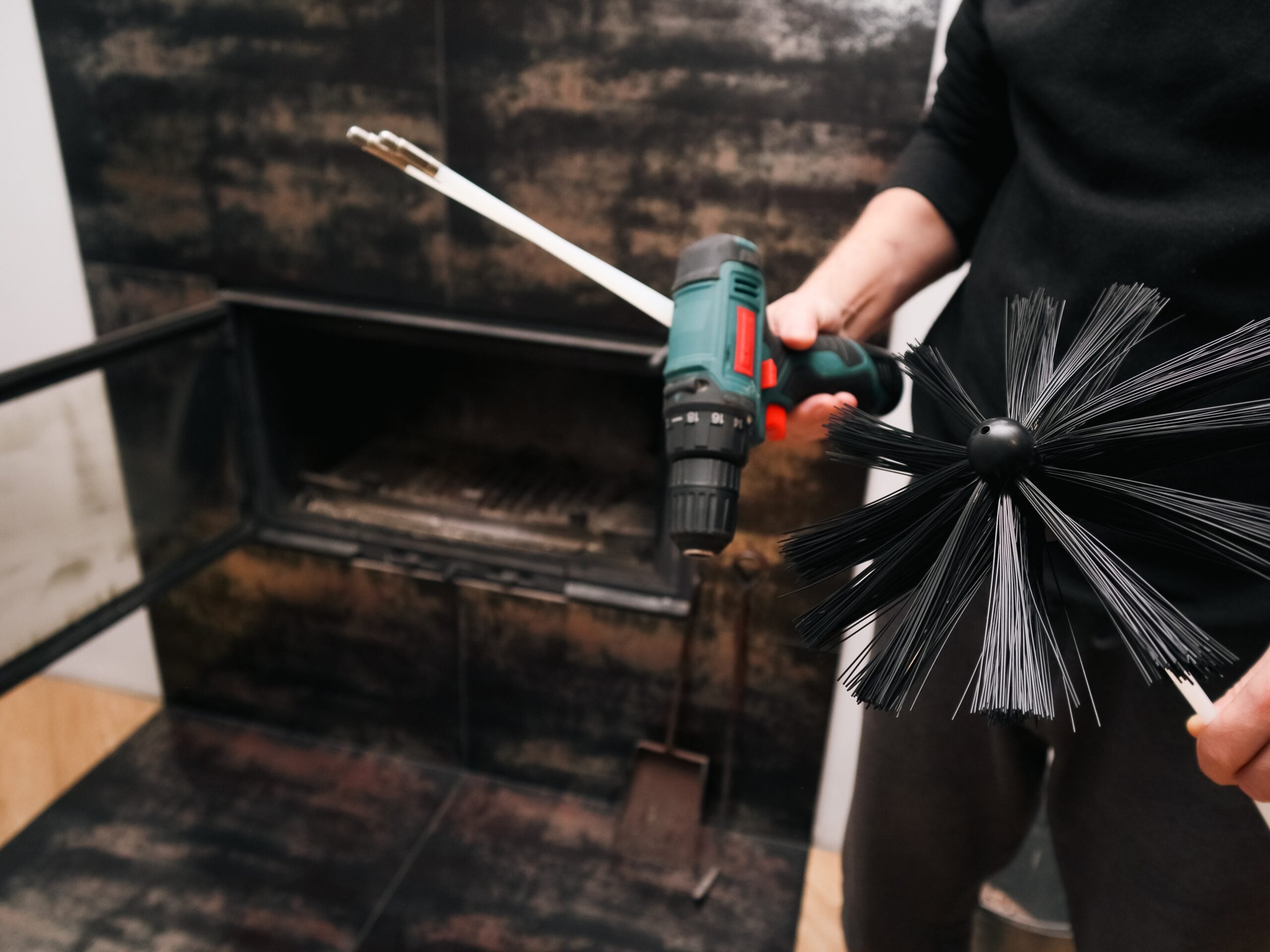
Removing these deposits requires more than an ordinary household brush. A professional chimney sweep can evaluate the condition of the flue, identify buildup, and determine which cleaning methods are appropriate.
DIY cleaning also creates several challenges homeowners may overlook:
- Incomplete removal: Hardened or glazed deposits may remain attached to chimney walls.
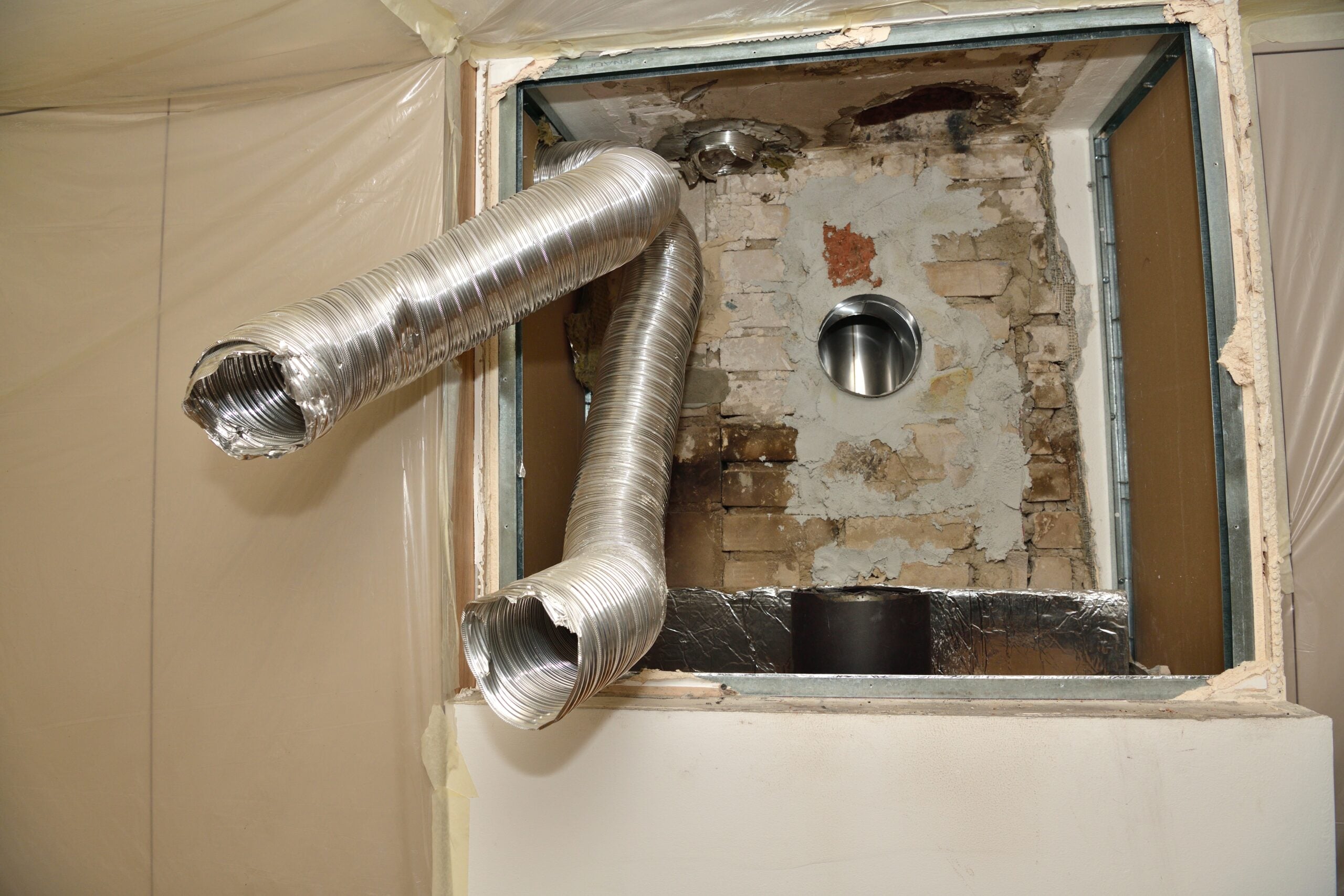
- Hidden damage: Cracked liners or deteriorating components may go unnoticed without proper inspection.
- Improper techniques: Unsuitable tools or chemicals can damage chimney materials or create additional hazards.
Chemical chimney-cleaning products are not a substitute for professional maintenance. Some treatments may help modify certain deposits, but they do not eliminate the need for proper inspection and cleaning.
The Chimney Safety Institute of America recommends annual chimney inspections to assess buildup, obstructions, and structural conditions. Depending on fireplace use and the amount of residue present, cleaning may be necessary more frequently.
Schedule a Chimney Sweeping With Brickliners
Creosote buildup can develop gradually, even when your fireplace appears to operate normally. Staying ahead of deposits through proper burning practices and routine maintenance helps protect your chimney system.
At Brickliners, we provide professional chimney sweeping services to help homeowners maintain cleaner, safer fireplaces. Our chimney services support ongoing maintenance and help address residue before it becomes a more serious concern.
Ready to prepare your fireplace for its next use? Contact Brickliners to schedule a chimney sweeping appointment and give your chimney the professional attention it deserves.