A good fire starts months before you light it. If you heat your Vermont home with a wood stove or enjoy fires in your fireplace, the way you dry and store your fuel affects how easily it lights, how much heat it produces, and how much residue collects in your chimney.
Learning how to season firewood is straightforward: split it, stack it where air can circulate, protect it from rain and snow, and give it enough time to dry. The key is to check the wood itself before burning it, rather than relying on how long it has sat in a pile.
Why Wet Wood Is a Chimney Problem, Not Just a Fire Problem
The difference between seasoned vs green firewood is the amount of water trapped inside. When freshly cut wood burns, much of the fire’s energy goes toward evaporating water instead of warming your home. That reduces heat output and can make the fire harder to establish.
Wet wood also produces more smoke. As smoke travels through a cooler chimney, creosote can accumulate on the flue walls. Burning unseasoned wood is one factor that can accelerate this buildup, which increases the risk of a chimney fire. Dry wood helps a fire burn hotter and more cleanly, though it cannot eliminate creosote or replace chimney maintenance.
If logs hiss, release moisture at their ends, or produce a smoky fire that struggles to stay lit, set them aside to dry longer. Continually adding wet logs will not improve the fire.
How Long Firewood Needs to Season
Seasoning time depends on the species, log size, when it was split, and the weather around your woodpile. As a planning guide, the EPA recommends allowing roughly six months for softwoods and at least a year for hardwoods. Those are starting points; the wood’s measured moisture tells you whether it is ready to burn. For efficient burning, aim for firewood moisture content below 20 percent.
If you buy firewood, ask whether it was split and when the seasoning period began. Wood cut months ago but left in large rounds may still be damp inside. Buying early gives you time to stack and test it before Vermont’s heating season.
Hardwoods vs. Softwoods
The type of wood affects both drying time and how you use the fire. Dense hardwoods like oak can provide lasting heat, but larger pieces often need a longer seasoning period. Many softwoods dry sooner and can burn quickly, making dry pieces useful when you start fires. Either can perform well when properly dried and used in an appliance suited to it.
The best firewood for wood stoves is dry, appropriately sized wood that meets the stove manufacturer’s instructions. A species name alone cannot tell you whether a load will burns cleanly—its moisture level matters more. If you purchase kiln dried wood, confirm how it has been stored since drying; exposure to rain can make it wet again.
Split First, Then Stack
Split logs soon after cutting them. Exposing the interior gives moisture a path out and helps pieces dry more evenly. Cut them to a length that fits your stove or fireplace, and split large rounds into manageable pieces. If you leave rounds intact until autumn, their centers may still be green when you want to use them.
Seasoning is an outdoor process. Moving freshly cut logs into a basement or garage does not give them the airflow they need and brings unnecessary moisture into the building.
How to Stack and Store a Woodpile
Choose a location where air can move through the stack and where rainwater will drain away. A tight, shaded pile pressed against a wall will dry more slowly than a loose, orderly stack with exposed sides. Keep newly cut wood separate from your seasoned supply so you know which pieces are ready.
Off the Ground, Covered on Top, Open on the Sides
A simple storage setup works well:
- Use a firewood rack or supports to lift logs off damp ground.
- Stack pieces loosely enough for air to reach the interior.
- Cover the top against rain and snow, leaving the sides open.
- Check that the cover sheds water away from the pile.
Wrapping the entire stack in a tarp can trap moisture. The goal is to protect the wood from precipitation while still allowing it to dry. The EPA recommends outdoor storage off the ground with only the top covered.
Three Ways to Tell If Wood Is Ready to Burn
A calendar estimate helps you plan, but check the logs before you bring in a season’s supply.
- Measure the inside of a split log. A moisture meter gives the most useful reading when you split a representative piece and test its freshly exposed center. Look for a reading below 20 percent.
- Compare its appearance and feel. Seasoned pieces tend to feel lighter than green pieces of similar size. Their ends may show cracks, and the exposed wood should not look or feel damp.
- Pay attention to how it burns. Dry logs should catch without prolonged hissing or heavy smoke. This is a helpful observation, but it should not replace a moisture reading.
Test several logs from different parts of the stack. The outside row may be dry while wood in the middle still needs time.
Burning Clean Still Needs an Annual Sweep
Properly seasoned firewood supports a clean burn, but every wood-burning system needs attention. How wood burns also depends on airflow, appliance operation, and chimney condition. Even when firewood burns well, deposits can form over time.
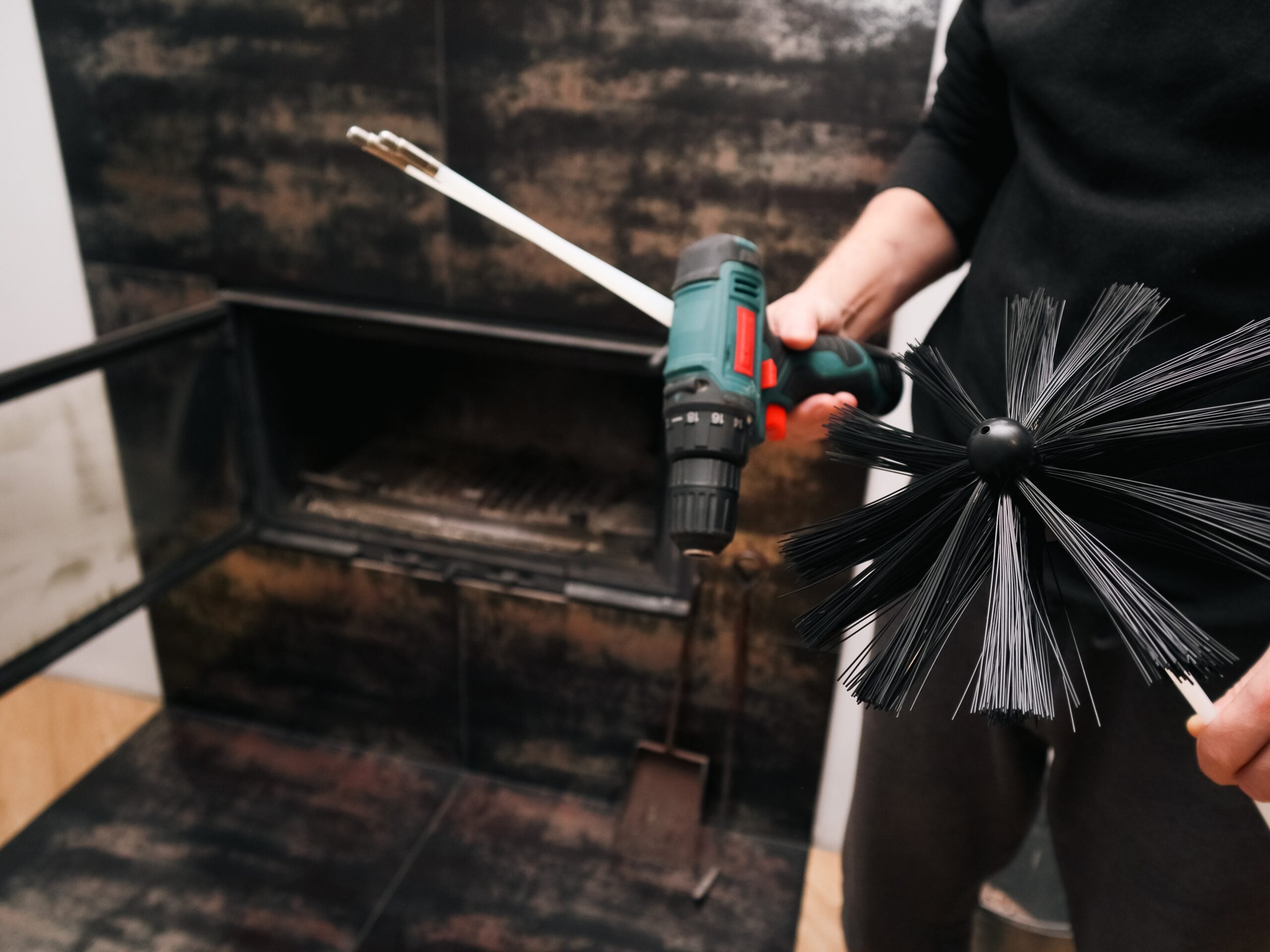
At Brickliners Custom Masonry & Chimney Services, our certified technicians provide chimney inspections and sweeping for homeowners across Burlington and nearby Vermont communities. An annual inspection can identify creosote, obstructions, or damage, with cleaning performed when needed.
As you prepare your woodpile for winter, schedule a chimney inspection with Brickliners. We’ll help you understand your chimney’s condition so you can enjoy the fires you worked all season to prepare for.