A fireplace adds warmth, comfort, and character to a home—but only when it’s properly maintained. One of the most important yet often overlooked aspects of fireplace care is routine chimney maintenance. Without proper attention, a chimney can become a serious safety hazard and a major source of energy loss. Understanding why cleaning the chimney matters helps homeowners protect their property, improve heating performance, and reduce long-term repair costs.
What Happens When a Chimney Isn’t Cleaned Regularly
When a chimney goes uncleaned, soot, debris, and combustible byproducts gradually accumulate inside the flue. The most dangerous of these substances is creosote, a sticky, flammable residue created by burning wood. Over time, creosote buildup narrows the flue passage, restricts airflow, and significantly increases the risk of chimney fires. In severe cases, blockages caused by debris or animal nests can prevent smoke and gases from venting properly, forcing them back into the home and creating serious health risks.
Why Cleaning the Chimney Is Especially Important in Cold Climates
In colder regions, fireplaces and wood stoves are used more frequently and for longer periods throughout the year. Increased usage accelerates creosote accumulation and exposes the chimney to repeated freeze-thaw cycles. Moisture trapped inside an unclean chimney can freeze, expand, and damage masonry joints, liners, and crowns. Routine maintenance is especially critical in cold climates to prevent structural deterioration and ensure the system operates safely during peak heating season.
How Often Should You Be Cleaning the Chimney?
Industry safety standards recommend having a chimney cleaned at least once per year, even if it appears to be functioning normally. Homes that burn wood frequently or use older fireplaces may require more frequent service. The frequency also depends on fuel type, appliance efficiency, and burn habits. Scheduling annual service before the heating season ensures any buildup or hidden damage is addressed before regular use begins.
What Causes Creosote Buildup in Chimneys
Creosote forms when wood smoke cools as it travels up the flue and condenses on chimney walls. Burning unseasoned or wet firewood increases smoke production, leading to faster accumulation. Low-temperature fires, restricted airflow, and inefficient appliances also contribute to heavy creosote deposits. Over time, these layers harden and become more difficult—and dangerous—to remove without professional tools and training.
Signs Your Chimney Needs Immediate Cleaning
Certain warning signs indicate that immediate attention is needed. Strong smoky odors, visible soot falling into the fireplace, or dark, tar-like residue inside the flue all suggest heavy buildup. Difficulty starting fires or smoke backing into the living space can signal airflow obstruction. If you hear animals or notice debris inside the chimney, cleaning should be scheduled as soon as possible to restore safe operation.
What Does Professional Chimney Cleaning Include?
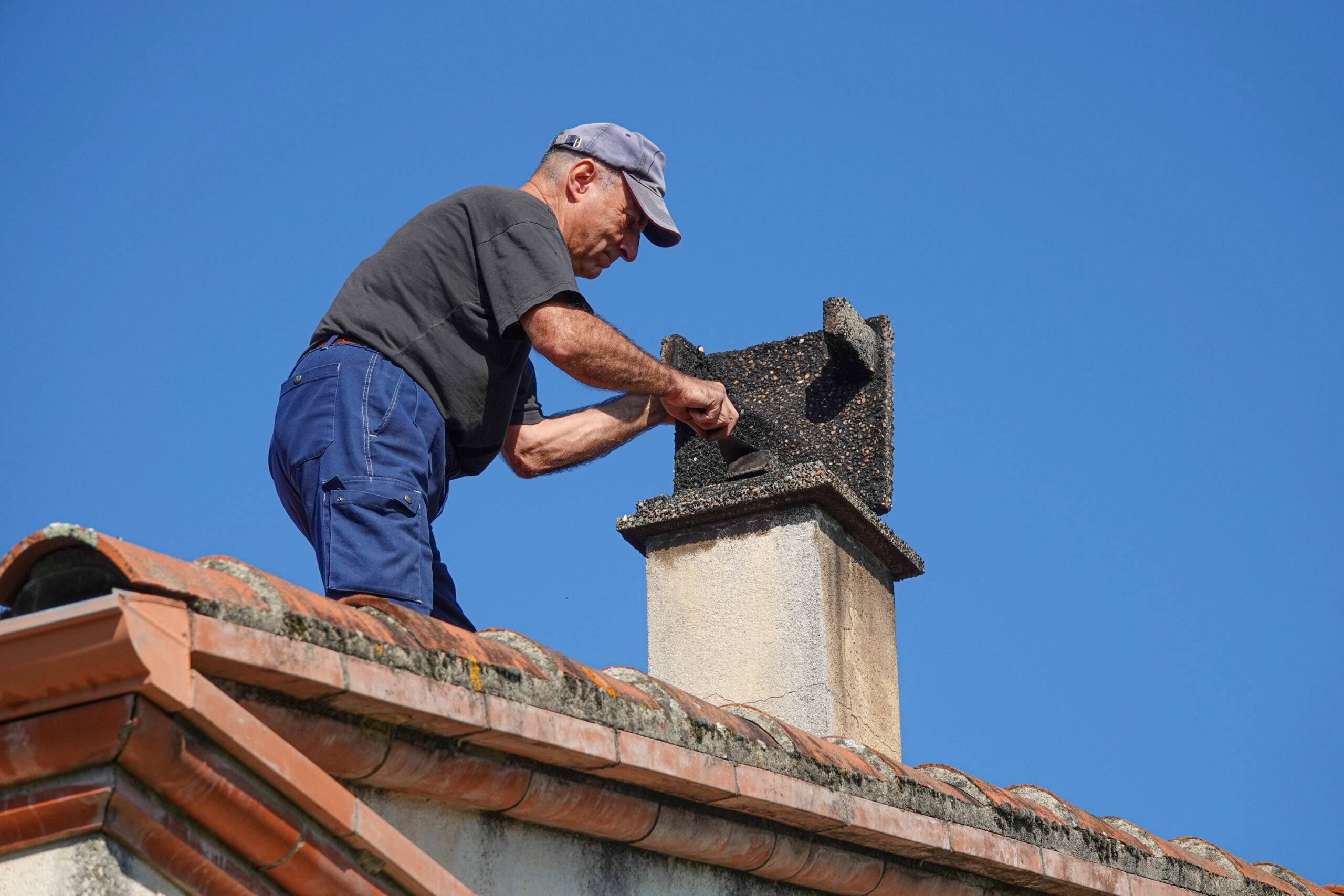
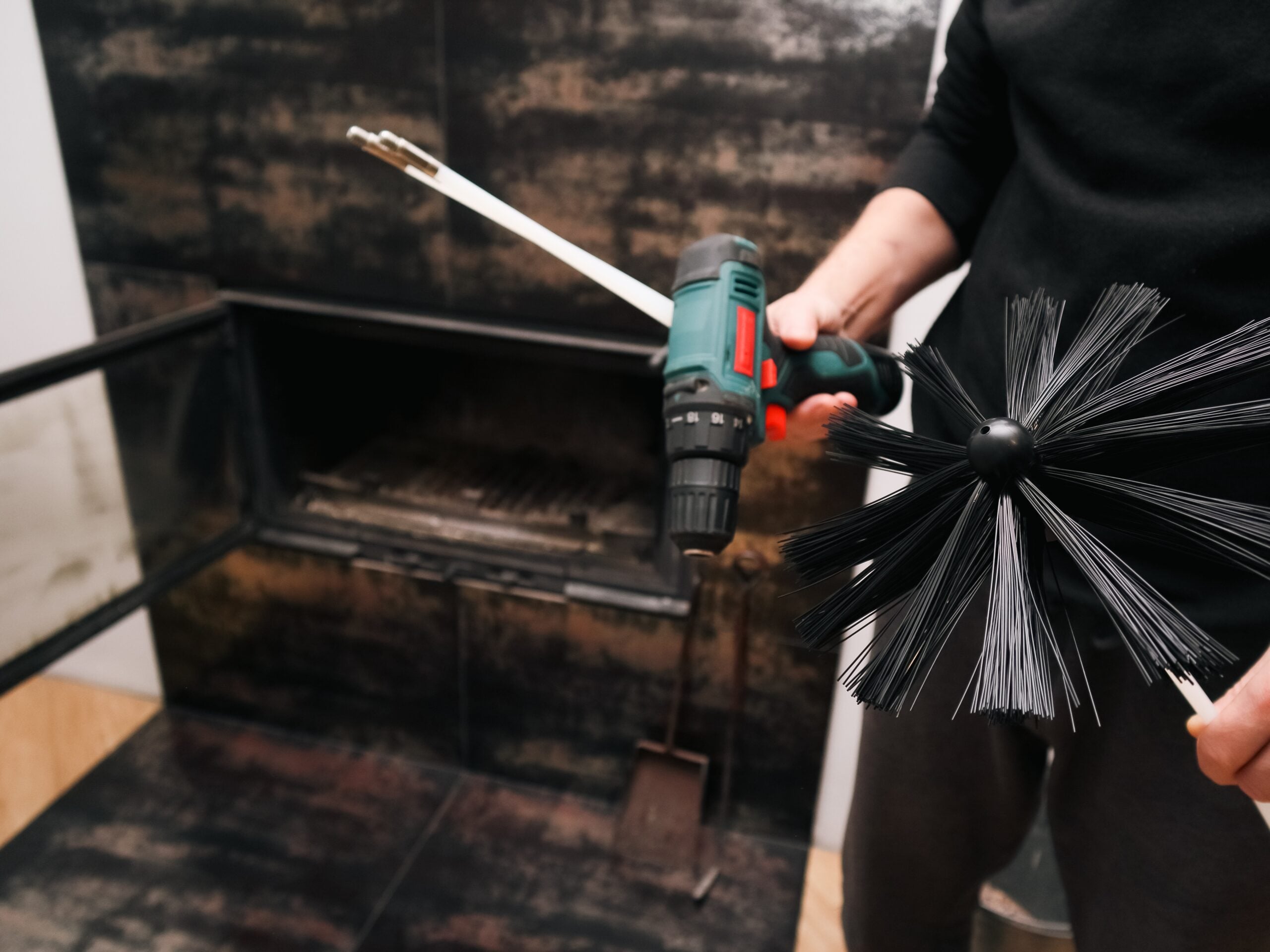
Professional service involves far more than a simple sweep. Certified technicians use specialized brushes, vacuums, and containment systems to remove creosote, soot, and debris without spreading dust throughout the home. Advanced tools such as flue cameras allow professionals to assess internal conditions and identify damage or blockages. This comprehensive approach ensures the chimney is both clean and safe for continued use.
The Difference Between Chimney Cleaning & Chimney Inspection
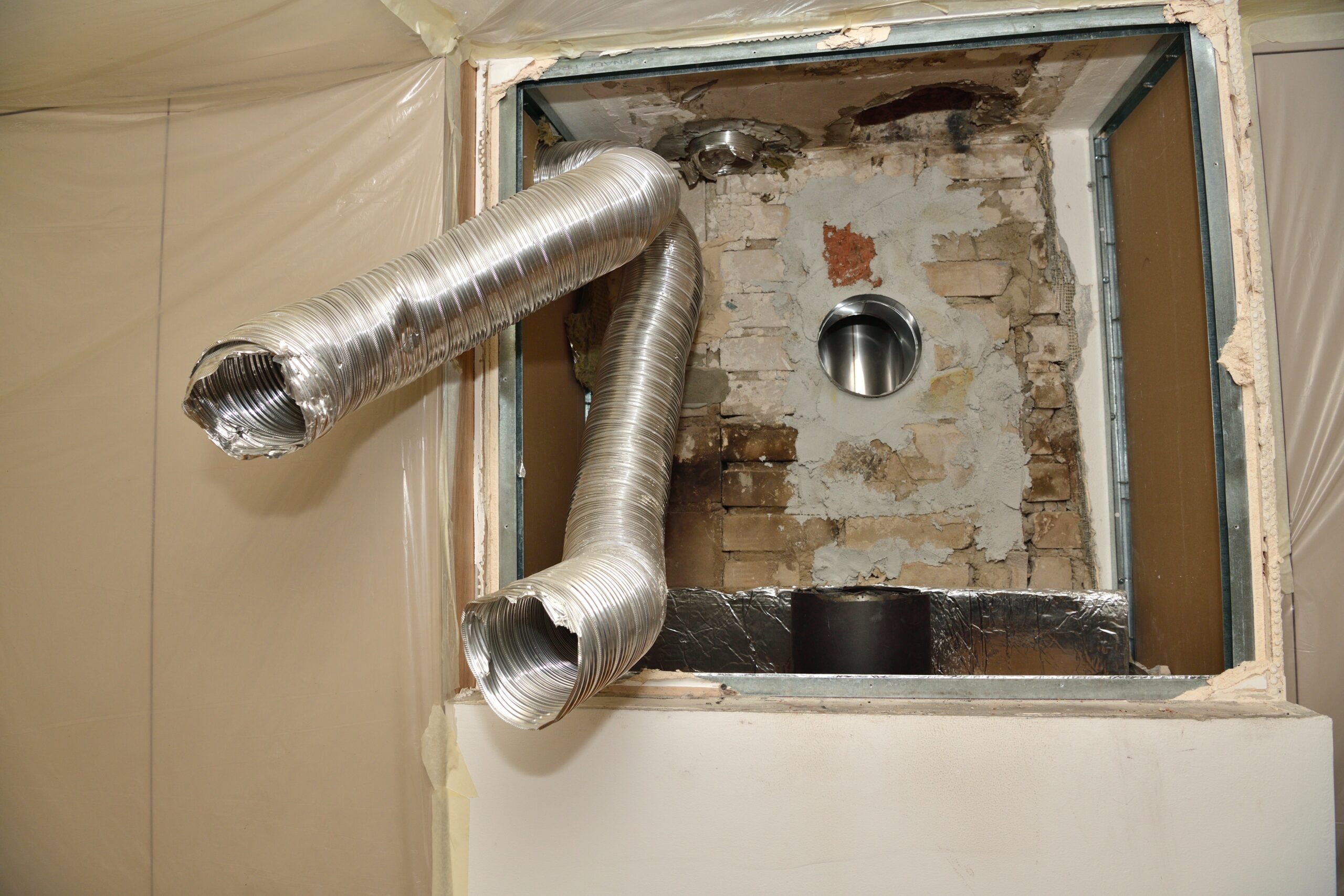
While often performed together, cleaning and inspection serve different purposes. Cleaning focuses on removing hazardous buildup, while inspections evaluate the structural and functional condition of the chimney system. Inspections may uncover cracked liners, deteriorated masonry, or ventilation issues that cleaning alone cannot resolve. Both services work together to provide complete chimney safety.
Can You Clean the Chimney Yourself?
Homeowners may attempt basic maintenance, but DIY methods rarely address deeper creosote layers or hidden issues. Without proper equipment and training, cleaning the chimney yourself can leave dangerous residue behind or cause accidental damage. Professional technicians are trained to handle varying chimney types safely and thoroughly, reducing risks that DIY approaches often overlook.
Risks of Skipping Regular Chimney Cleaning
Neglecting routine care exposes homeowners to significant hazards. Chimney fires can ignite suddenly and spread rapidly through framing and roofing materials. Carbon monoxide exposure from poor ventilation poses serious health threats, especially during winter months when homes are sealed tightly. Long-term neglect also leads to costly repairs that could have been avoided with routine maintenance.
Cleaning the Chimney Before Winter: Why Timing Matters
Scheduling service before winter ensures your fireplace is ready when you need it most. During peak heating season, appointment availability may be limited, and existing issues can worsen quickly under frequent use. Proactive maintenance before cold weather arrives helps prevent mid-season emergencies and ensures uninterrupted, safe heating.
Cleaning Chimneys for Wood, Gas & Pellet Fireplaces
Different fuel types require different cleaning approaches. Wood-burning fireplaces generate creosote and ash, while gas fireplaces can still accumulate soot, debris, and nesting materials. Pellet stoves produce fine ash that can restrict airflow if not properly removed. Professional technicians tailor cleaning methods based on the specific appliance to ensure optimal performance and safety.
How Chimney Cleaning Improves Heating Efficiency
A clean chimney allows smoke and exhaust gases to exit freely, improving draft and combustion efficiency. When airflow is unrestricted, fires burn hotter and more evenly, producing more usable heat with less fuel. Proper maintenance reduces smoke loss and helps homeowners get the most value from every fire.
Chimney Cleaning for Older Masonry Fireplaces
Older masonry fireplaces are especially vulnerable to damage caused by creosote, moisture, and temperature fluctuations. Aging mortar joints and liners require careful evaluation during service. Routine maintenance helps preserve structural integrity, extend the lifespan of historic fireplaces, and maintain compliance with modern safety standards.
How Professional Chimney Cleaning Protects Your Home & Family
Professional service provides peace of mind by reducing fire risk, improving indoor air quality, and identifying problems early. Certified experts follow strict safety protocols and industry guidelines to ensure thorough results. For homeowners, this means safer fires, healthier living spaces, and long-term protection for both property and occupants.
Schedule Professional Chimney Cleaning With Certified Experts
Working with certified professionals ensures your chimney is serviced correctly and safely. Companies like Brickliners combine advanced equipment, industry certifications, and hands-on experience to deliver dependable results. Choosing trained experts helps homeowners stay compliant with safety standards while avoiding costly mistakes.
Frequently Asked Questions About Cleaning the Chimney
How long does chimney cleaning take?
Most professional chimney cleanings take between 45 minutes and 90 minutes, depending on chimney size, buildup level, and fireplace type. More complex systems or heavy creosote accumulation may require additional time.
Is chimney cleaning messy?
Professional chimney cleaning is designed to be clean and controlled. Technicians use protective coverings, sealed vacuums, and dust containment systems to keep soot and debris from entering your living space.
How much does it cost to clean a chimney?
Costs vary based on chimney height, condition, fuel type, and buildup severity. While pricing differs by home, routine cleaning is far more affordable than repairing fire or structural damage caused by neglect.
Do gas fireplaces need chimney cleaning?
Yes. Gas fireplaces still require periodic service to remove debris, check venting systems, and ensure safe exhaust flow. Animals, moisture, and soot can still create blockages over time.
What time of year is best for cleaning the chimney?
Late summer and early fall are ideal times for service. Scheduling before the heating season ensures your system is ready for use and avoids peak-season delays.
Keep Your Chimney Clean, Safe & Ready for the Season
Routine maintenance is one of the simplest ways to protect your home and maximize fireplace performance. By prioritizing chimney cleaning, homeowners reduce safety risks, improve efficiency, and extend the life of their system.
Contact Brickliners today to schedule professional chimney cleaning and keep your home safe, efficient, and fully prepared for the colder months ahead.