Water is one of the most destructive forces your chimney faces, especially in harsh New England climates. Waterproofing Chimney systems is not just a preventative upgrade—it is a critical step in preserving structural integrity, performance, and long-term safety. Without proper protection, moisture can silently compromise masonry, liners, and interior components long before visible damage appears. Understanding how and why chimney waterproofing works helps homeowners make informed decisions that protect both their chimney and their home.
Why Chimney Waterproofing Is Essential for Long-Term Chimney Health
Chimneys are constantly exposed to rain, snow, ice, and humidity. Unlike siding or roofing, masonry chimneys are porous by nature, meaning they absorb moisture easily. Over time, repeated water exposure weakens brick, mortar, and internal systems, leading to expensive repairs. Proper chimney waterproofing creates a protective barrier that repels moisture while still allowing trapped vapors to escape, extending the chimney’s lifespan and reducing maintenance costs.
How Water Damages Chimneys Over Time
Water damage rarely happens all at once. Instead, it progresses gradually, compounding issues year after year if left untreated.
Freeze-Thaw Damage to Masonry
In colder climates, absorbed moisture freezes and expands inside brick and mortar. As temperatures fluctuate, this freeze-thaw cycle causes cracking, spalling bricks, and surface deterioration. Over time, these small fractures compromise the chimney’s structural stability.
Deterioration of Mortar Joints
Mortar is often the first component to fail due to water exposure. When moisture penetrates mortar joints, it accelerates erosion and washout. Weak or missing mortar allows more water intrusion, creating a cycle of progressive damage that can lead to partial chimney collapse if ignored.
Chimney Liner Corrosion & Interior Damage
Water that penetrates the chimney exterior can reach the flue liner and interior components. Metal liners may corrode, while clay liners can crack or separate. Interior moisture also increases creosote buildup and reduces draft efficiency, creating both safety and performance concerns.
Why Chimney Waterproofing Is Especially Important in Maine
Maine’s climate presents unique challenges for chimneys. Heavy snowfall, ice accumulation, coastal moisture, and frequent freeze-thaw cycles significantly increase the risk of water damage. Homes in this region experience prolonged exposure to moisture, making preventative chimney care essential rather than optional. Waterproofing Chimney systems in Maine helps combat weather-related deterioration that is far more aggressive than in milder climates.
Common Signs Your Chimney Needs Waterproofing
Many homeowners don’t realize their chimney needs attention until visible damage appears. Common warning signs include white staining (efflorescence) on brick surfaces, spalling or flaking masonry, rusted dampers or firebox components, musty odors, and water stains on interior walls or ceilings near the chimney. These indicators suggest moisture intrusion that should be addressed promptly.
What Is Chimney Waterproofing?
Chimney waterproofing is the process of applying specialized, breathable sealants and protective systems designed specifically for masonry chimneys. Unlike generic water repellents, professional chimney waterproofing products repel liquid water while allowing internal moisture vapor to escape. This balance is crucial for preventing trapped moisture, which can cause hidden internal damage.
How Professional Chimney Waterproofing Works
A professional chimney waterproofing service begins with a thorough inspection to identify existing damage, moisture entry points, and structural concerns. The chimney surface is then cleaned to remove dirt, mold, and debris. Once prepared, a professional-grade waterproofing sealant is applied evenly to the masonry. Additional components such as crowns, flashing, or caps may be repaired or upgraded to ensure complete water protection.
Types of Chimney Waterproofing Solutions
Not all chimneys require the same approach. Effective waterproofing often involves multiple protective elements working together.
Breathable Masonry Waterproofing Sealants
These sealants penetrate masonry surfaces and create an invisible barrier that repels rain and snow without sealing the chimney airtight. This is the foundation of most professional waterproofing applications.
Chimney Crown Repair & Sealing
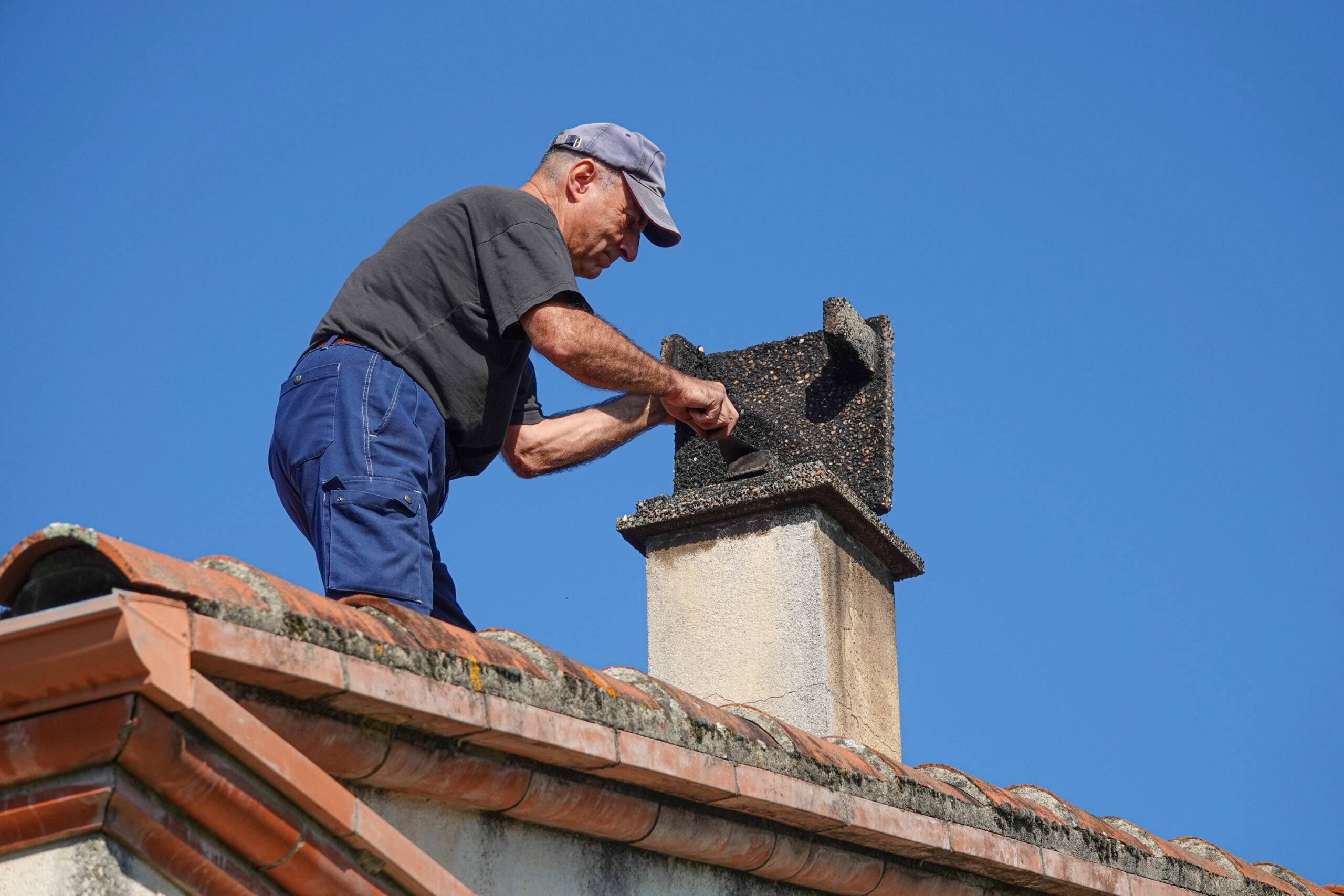
The chimney crown is one of the most vulnerable areas for water entry. Cracks or gaps in the crown allow water to flow directly into the chimney structure. Repairing and sealing the crown prevents significant internal damage.
Flashing Repair & Waterproofing
Flashing seals the joint where the chimney meets the roof. Damaged or improperly installed flashing is a leading cause of chimney leaks. Professional waterproofing often includes resealing or replacing flashing to eliminate roofline leaks.
Chimney Caps & Water Protection Systems
A chimney cap prevents rain, snow, animals, and debris from entering the flue directly. Caps are a simple but highly effective component of a comprehensive water protection system.
Can You Waterproof a Chimney Yourself?
While DIY masonry sealers are available, they often lack the breathability and durability required for long-term protection. Improper application can trap moisture inside the chimney, worsening damage instead of preventing it. Additionally, DIY efforts may overlook underlying issues such as crown cracks or flashing failures. Waterproofing Chimney systems are most effective when applied by trained professionals who understand chimney construction and moisture dynamics.
When Waterproofing Isn’t Enough: Repairs That May Be Required First
Waterproofing should never be applied to a damaged chimney without addressing underlying issues. Cracked bricks, failing mortar joints, deteriorated crowns, or damaged liners must be repaired before waterproofing. Sealing over existing damage can trap moisture and accelerate deterioration, leading to more costly repairs later.
How Long Does Chimney Waterproofing Last?
Professional chimney waterproofing typically lasts between five and ten years, depending on weather exposure, chimney condition, and product quality. Regular inspections help determine when reapplication is needed. High-quality systems provide long-term protection with minimal maintenance.
Best Time of Year to Waterproof a Chimney in Maine
Late spring through early fall is generally the best time to waterproof a chimney in Maine. Warmer temperatures and dry conditions allow sealants to cure properly and penetrate masonry effectively. Scheduling waterproofing before winter helps protect the chimney from freeze-thaw damage during colder months.
How Chimney Waterproofing Prevents Costly Repairs
Preventative waterproofing significantly reduces the risk of structural masonry repairs, liner replacement, interior water damage, and mold growth. Compared to the high cost of rebuilding or relining a chimney, Waterproofing Chimney services are a cost-effective investment that preserves both safety and property value.
Professional Chimney Waterproofing vs Temporary Fixes
Temporary solutions such as roof tar, silicone caulk, or paint are not designed for chimney use and often fail quickly. Professional waterproofing systems are engineered specifically for masonry chimneys, offering superior durability, breathability, and long-term performance that temporary fixes cannot match.
Schedule Chimney Waterproofing With Certified Professionals
Certified chimney professionals have the training and experience necessary to assess chimney conditions accurately and apply the correct waterproofing solutions. Professional service ensures compliance with safety standards and provides peace of mind that your chimney is properly protected.
Frequently Asked Questions About Waterproofing Chimneys
Does chimney waterproofing stop leaks completely?
Chimney waterproofing significantly reduces water penetration, but existing structural issues must be repaired first. When properly applied, it is highly effective at preventing future leaks caused by rain and snow.
Can chimney waterproofing trap moisture inside?
Professional-grade breathable sealants are designed to repel water while allowing vapor to escape. This prevents moisture entrapment, which is a risk with improper DIY products.
Is chimney waterproofing safe for older masonry chimneys?
Yes, when performed by professionals. Older chimneys often benefit the most, as waterproofing helps stabilize aging masonry and prevent accelerated deterioration.
How much does chimney waterproofing cost?
Costs vary based on chimney size, condition, and required repairs. Waterproofing is generally far less expensive than structural chimney repairs caused by long-term water damage.
How often should chimney waterproofing be reapplied?
Most systems last several years. Regular inspections help determine when reapplication is necessary to maintain optimal protection.
Protect Your Chimney From Water Damage Today
Protecting your chimney from moisture is one of the smartest preventative steps a homeowner can take. At Brickliners, our certified professionals specialize in chimney inspections, repairs, and waterproofing solutions designed for Maine’s demanding climate. Contact us today to schedule professional chimney waterproofing and safeguard your home for years to come.