When temperatures plummet and snow begins to fall, Vermont homeowners depend on their fireplaces to stay warm and cozy. But while fireplaces provide comfort and charm, they also expose your chimney to harsh winter conditions. Without proper waterproofing, moisture from snow and ice can seep into the masonry, leading to costly repairs, decreased energy efficiency, and even safety hazards. Taking preventive steps now ensures your system remains reliable and long-lasting through the cold months. For homeowners with energy efficient masonry fireplaces, proper waterproofing isn’t just maintenance—it’s a necessity for preserving performance and structural integrity.
Why Chimney Waterproofing is Essential in Vermont Winters
Vermont winters bring intense freeze-thaw cycles, heavy snowfall, and icy buildup that can wreak havoc on chimney structures. These conditions make waterproofing a vital part of seasonal chimney care.
Protecting Your Chimney from Snow and Ice Damage
Snow and ice can accumulate around the chimney’s exterior and crown, leading to cracks in the masonry as the moisture expands and contracts with temperature changes. When this happens repeatedly throughout winter, the bricks and mortar joints weaken, allowing more water to penetrate. A professional waterproofing treatment helps seal these vulnerable areas, creating a breathable barrier that repels water while allowing vapors to escape—maintaining both strength and airflow in your chimney system.
Preventing Water Leaks Inside Your Home
Unchecked moisture can cause far more than external wear. Once water seeps through masonry, it can infiltrate interior walls, ceilings, and insulation. This results in water stains, peeling paint, and even mold growth in surrounding areas. Waterproofing prevents leaks from forming around your chimney’s flashing, crown, or cap, keeping your living space dry and your indoor air quality safe during Vermont’s damp winter months.
Extending the Life of Your Chimney and Masonry
Routine waterproofing extends your chimney’s lifespan by decades. By blocking out moisture before it can cause structural damage, you protect the investment you’ve made in your home’s heating system. Masonry that remains dry is more resistant to cracking, crumbling, and mortar deterioration, which helps maintain the stability and aesthetics of your chimney year-round.
Signs Your Chimney Needs Waterproofing
Recognizing the warning signs of moisture damage early can save homeowners from costly repairs. Before winter sets in, inspect your chimney for these common red flags.
Cracks or Deteriorating Masonry
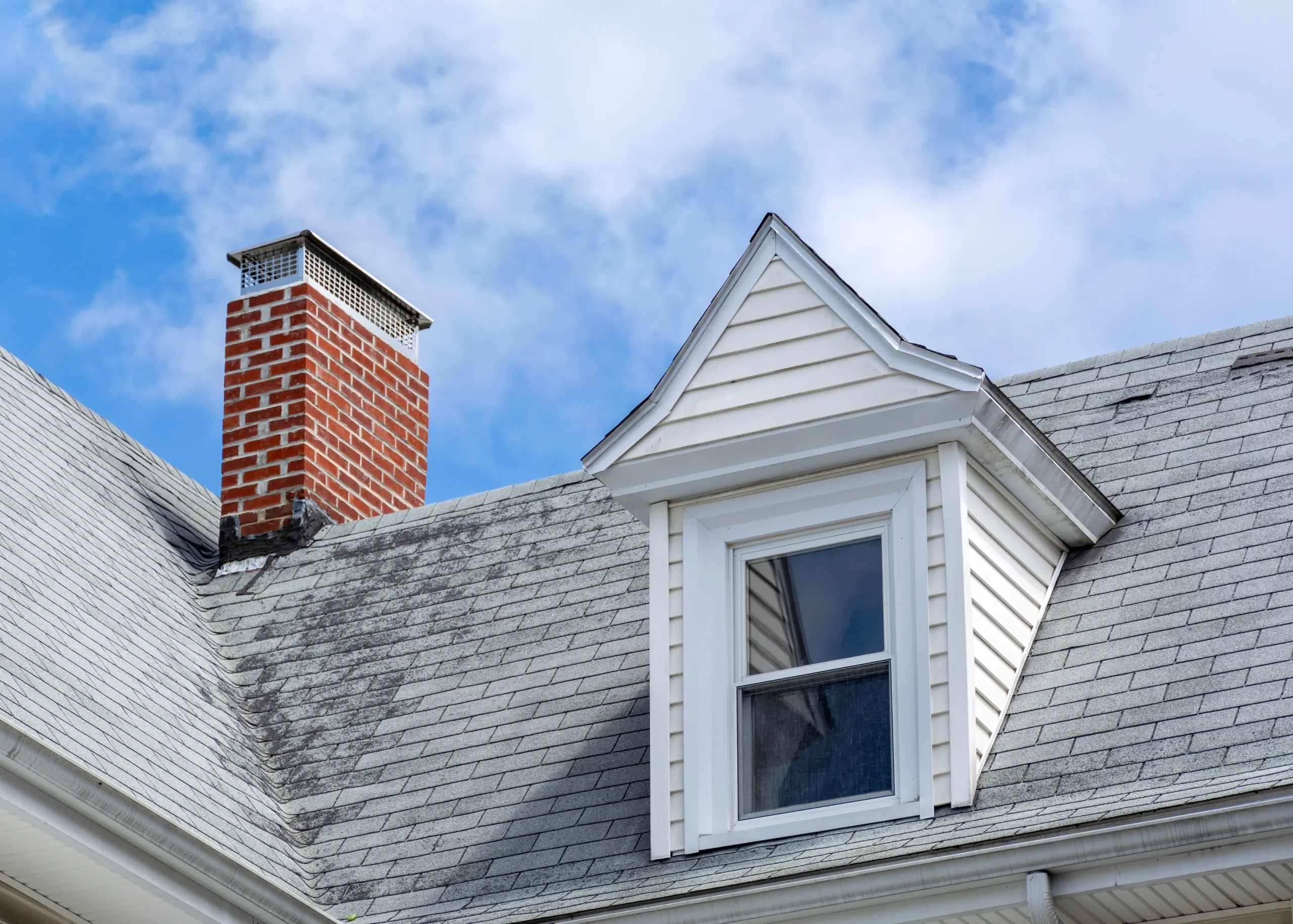
If you notice visible cracks, gaps, or spalling bricks (where surfaces flake or peel off), moisture is already taking a toll. These cracks allow snowmelt to seep deeper into the structure, increasing the risk of freeze-thaw damage and potential collapse if left untreated.
Water Stains or Efflorescence Inside the Chimney
Efflorescence appears as white, powdery stains on bricks or mortar joints, a clear indicator of moisture intrusion. It forms when water carries soluble salts from the masonry’s interior to the surface. Water stains or discoloration near your fireplace or chimney walls also signal that your system needs immediate waterproofing attention.
Leaks Around Chimney Flashing or Crown
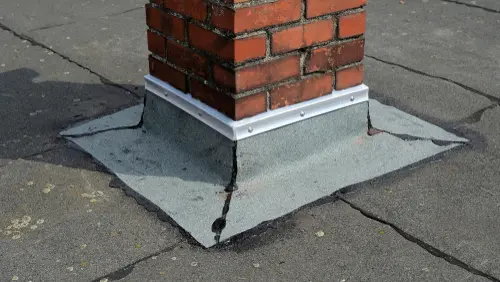
Flashing and chimney crowns are frequent sources of water leaks. Damaged or improperly sealed flashing can let water seep between the chimney and the roofline, while cracked crowns allow snowmelt to enter the chimney chase. Both issues are preventable with timely waterproofing and maintenance.
The Chimney Waterproofing Process
Waterproofing your chimney isn’t a simple DIY task—it requires precision, experience, and high-quality materials to ensure full coverage and long-lasting results.
Cleaning and Inspecting the Chimney First
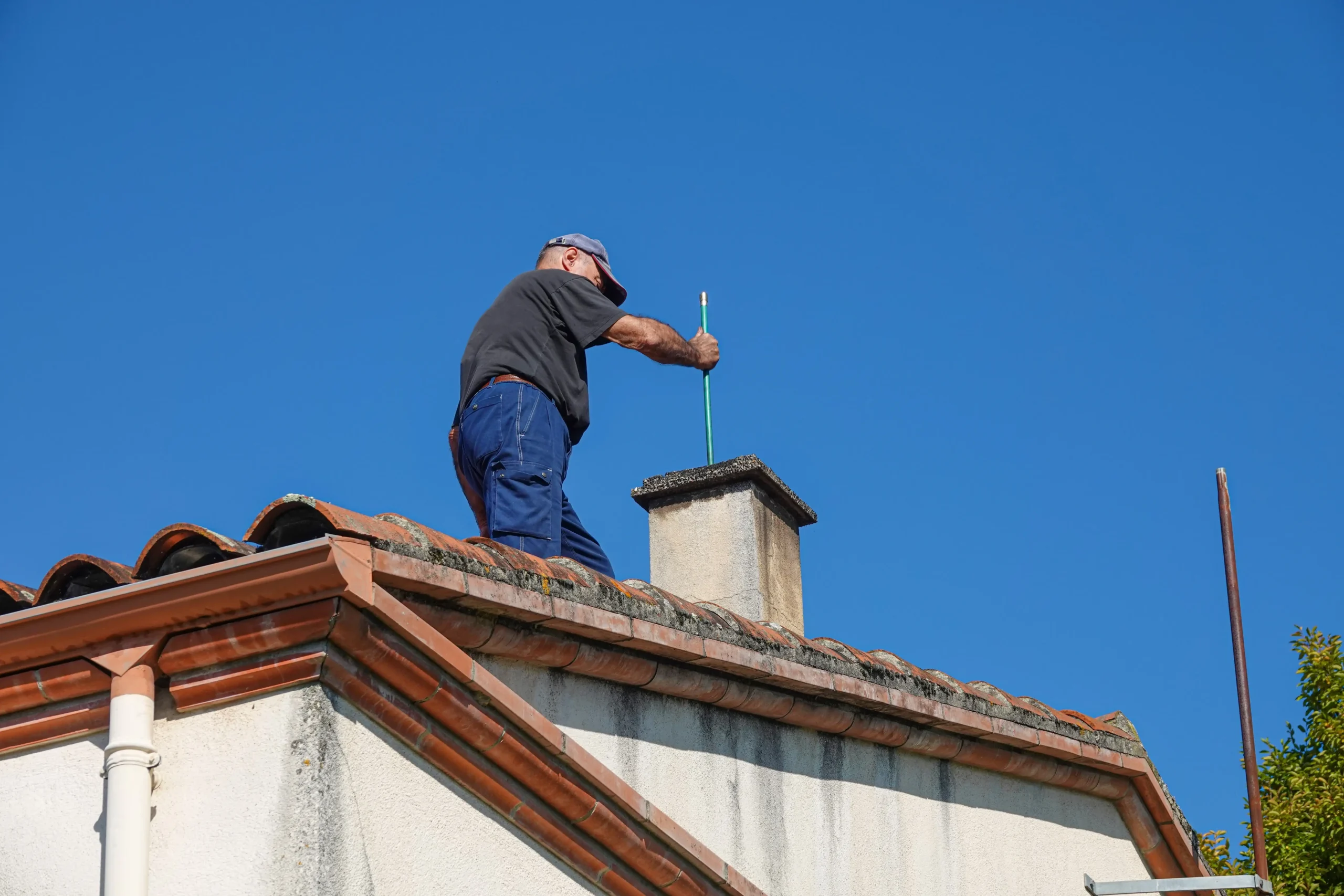
Before applying any sealant, technicians must thoroughly clean the chimney’s exterior to remove dirt, moss, soot, and creosote buildup. A clean surface ensures that the waterproofing product adheres properly. At this stage, the chimney is also inspected for cracks, deteriorated mortar, or loose bricks, which must be repaired before sealing.
Applying High-Quality Waterproof Sealants
Professional chimney technicians use vapor-permeable sealants specifically designed for masonry. Unlike paint or generic sealers, these products prevent water penetration without trapping moisture inside, allowing the structure to “breathe.” The sealant is carefully sprayed or brushed onto the entire chimney surface—from the crown to the flashing—to ensure uniform coverage and protection.
Ensuring Proper Drainage and Ventilation
A well-protected chimney also requires proper drainage and airflow. Waterproofing specialists verify that the chimney cap is intact, the flue is unobstructed, and the flashing is securely sealed to direct water away from vulnerable areas. Adequate ventilation keeps condensation from forming inside the flue, further reducing the risk of internal moisture buildup.
Benefits of Professional Chimney Waterproofing
Hiring certified professionals for chimney waterproofing offers long-term value, protection, and peace of mind.
Protection Against Freeze-Thaw Damage
Vermont’s winters are notorious for their temperature fluctuations. When water infiltrates masonry and freezes, it expands, causing cracks to widen and bricks to loosen. A professional waterproofing application minimizes this risk, ensuring your chimney remains structurally sound throughout the season.
Reduces Maintenance and Repair Costs
Preventive waterproofing dramatically cuts future maintenance expenses. Instead of facing major reconstruction or repointing projects, homeowners enjoy lower upkeep costs and fewer emergency repairs. It’s a proactive investment that saves money and time in the long run.
Enhances Overall Chimney Safety
Moisture intrusion doesn’t just harm bricks—it can also corrode metal components, damage liners, and block airflow. By maintaining a dry, sealed chimney, you reduce the risk of smoke backdrafts, carbon monoxide exposure, and fire hazards caused by deteriorated flue systems.
How Chimney Cleaning and Waterproofing Work Together
Waterproofing is most effective when paired with professional chimney cleaning. Together, these services create a complete protection plan that ensures safety, efficiency, and durability all winter long.
Removing Creosote and Debris Before Sealing
Creosote, soot, and debris buildup inside the chimney must be removed before waterproofing begins. These substances can trap moisture and obstruct ventilation, reducing the effectiveness of the sealant. Cleaning ensures a clean, dry surface for maximum waterproofing performance.
Inspecting for Structural Issues During Cleaning
During cleaning, technicians inspect the entire chimney system—including the flue liner, damper, and smoke chamber—for damage or corrosion. Identifying these problems early allows for timely repairs before sealing, preventing hidden moisture from worsening existing cracks or leaks.
Comprehensive Winter Preparation
Combining cleaning and waterproofing ensures your chimney is ready for heavy winter use. A clean flue allows smoke to vent properly, while a waterproof exterior prevents snow and ice from compromising the masonry. This dual approach enhances both the safety and comfort of your home during Vermont’s coldest months.
Why Choose Brickliners for Chimney Waterproofing in Vermont
When it comes to protecting your chimney from harsh winter weather, experience and certification make all the difference. Brickliners provides professional chimney waterproofing and cleaning services that keep your system safe, efficient, and long-lasting throughout the cold season.
Our certified chimney technicians use high-performance, vapor-permeable sealants and proven methods to prevent damage, leaks, and costly repairs. Proudly serving Burlington and across Vermont, Brickliners delivers trusted full-service maintenance to ensure your fireplace stays reliable and worry-free all winter.