When the Vermont winter chill sets in, few things are more inviting than a warm, efficient gas fireplace. Whether you’re upgrading from a traditional wood-burning unit or adding a new focal point to your living space, winter is an ideal time to make the switch. Here’s what you should know before installing your gas fireplace, from timing and benefits to professional installation steps and maintenance.
Why Winter Is the Perfect Time to Install a Gas Fireplace
Installing a gas fireplace in winter means you can start enjoying its warmth right away. Unlike wood-burning systems that require stocking and cleaning, gas fireplaces offer instant comfort at the push of a button, perfect for Vermont’s long, cold evenings.
Winter can actually be a great time to schedule installation. Many homeowners wait until spring or summer for upgrades, which means fireplace technicians often have more flexible availability. This allows you to book sooner and enjoy faster turnaround times.
Ensure Your Fireplace Is Ready Before Peak Use
Getting your fireplace installed during the colder months ensures everything is properly set up, tested, and ready for consistent use. By the time temperatures drop further, your new gas fireplace will already be running efficiently and safely.
Benefits of Installing a Gas Fireplace
A gas fireplace offers more than just convenience — it’s a smart investment in comfort, efficiency, and style.
- Energy Efficiency and Lower Heating Costs: Gas fireplaces convert fuel into heat with high efficiency, often providing more warmth for less cost than wood-burning options.
- Cleaner and Safer Than Wood-Burning Fireplaces: With no ash, soot, or creosote buildup, gas fireplaces dramatically reduce indoor air pollution and the risk of chimney fires.
- Modern Designs That Complement Your Home: From sleek, wall-mounted models to traditional inserts with realistic flames, today’s gas fireplaces enhance any décor.
Steps Involved in a Professional Gas Fireplace Installation
Professional installation is key to ensuring your fireplace operates safely and efficiently. Here’s what you can expect when working with Brickliners.
-
Choosing the Right Fireplace for Your Home
Our technicians start by assessing your space, heating needs, and design goals. We’ll help you choose the best model, whether it’s a direct-vent insert, built-in fireplace, or freestanding unit, and guide you through options for finishes, surrounds, and remote features.
-
Preparing the Chimney or Venting System
Proper venting is essential for safe operation. We’ll inspect your existing chimney or install a dedicated vent system to ensure it meets manufacturer and safety standards. This step also includes sealing, insulation, and airflow testing.
-
Professional Installation and Safety Checks
Once everything is ready, our certified team handles the installation, connection, and testing of your gas line and controls. We perform a full safety inspection, verify proper ventilation, and ensure your fireplace operates at peak performance before we leave your home.
How a Chimney Service Complements Gas Fireplace Installation
Even though gas fireplaces burn cleaner than wood, your chimney or vent system still plays a critical role. Regular chimney service ensures your new system stays efficient and safe for years to come.
- Inspecting Existing Chimneys for Safety: Before installation, Brickliners performs a detailed inspection to check for cracks, obstructions, or outdated liners that could affect performance.
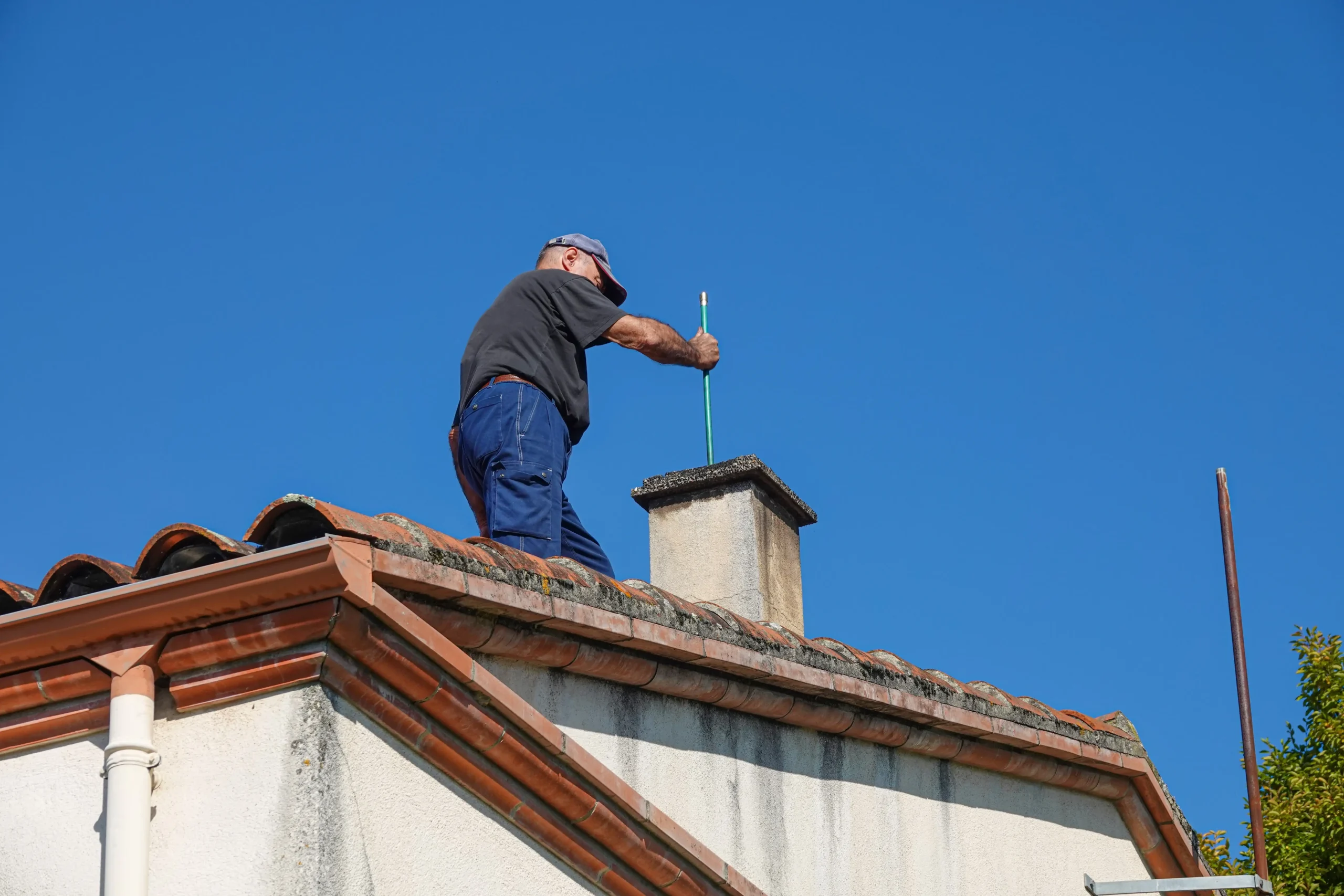
- Cleaning and Preparing the Flue or Vent: We remove debris, soot, and buildup from previous systems to create a clean path for proper exhaust.
- Preventive Maintenance for Long-Term Efficiency: Routine service helps maintain airflow and catch small issues early, protecting your investment and ensuring long-term reliability.
Common Questions About Installing a Gas Fireplace
Can I Convert an Existing Wood Fireplace to Gas?
Many Vermont homeowners convert wood-burning fireplaces into efficient gas inserts. This approach uses your existing chimney structure while modernizing your fireplace’s performance and appearance.
How Long Does Installation Typically Take?
Most installations take one to two days, depending on the type of fireplace and venting requirements. Our team provides a clear timeline during your consultation so you know exactly what to expect.
What Maintenance Is Required After Installation?
While gas fireplaces require less upkeep than wood-burning units, annual inspections are still recommended. Brickliners checks gas connections, venting, and ignition systems to ensure everything continues to operate safely and efficiently.
Why Choose Brickliners for Gas Fireplace Installation in Vermont
When it comes to fireplaces, experience matters. Here’s why homeowners across Vermont trust Brickliners.
- Experienced, Certified Technicians: Our team includes certified chimney and gas appliance specialists who follow strict safety and manufacturer guidelines.
- Full-Service Chimney and Fireplace Solutions: From inspections and cleaning to complete installations, we handle every aspect of your fireplace system.
- Serving Burlington and Across Vermont: We’re proud to serve homeowners throughout Vermont with reliable, customer-focused service built on years of local experience.
Schedule Your Gas Fireplace Installation Today
Getting started is easy. Schedule a consultation with Brickliners to discuss your fireplace goals, explore model options, and receive a detailed quote. We offer flexible winter scheduling so you can enjoy your new fireplace this season — not months from now.
Winter Installation Availability
Contact us today or schedule your appointment online. Let our certified technicians bring warmth, comfort, and modern style to your home with a professionally installed gas fireplace.