The best time for chimney repair is usually late spring through early fall, when warmer temperatures and drier conditions support exterior masonry work. For homeowners in Vermont, Maine, and New Hampshire, late summer can be particularly advantageous because it provides an opportunity to address damage before freezing temperatures and fireplace season arrive.
Chimneys endure rain, snow, ice, wind, moisture, and repeated freeze-thaw cycles. Over time, these conditions can deteriorate mortar joints, crack the chimney crown, loosen flashing, and allow water infiltration. Scheduling a professional chimney inspection during the warmer months can uncover developing problems while there is still time to complete repairs properly.
Although certain interior chimney services may be available throughout the year, projects involving mortar, masonry coatings, sealants, and waterproofing are often easier to complete under favorable weather conditions. Planning ahead also means your chimney can be ready before you need to light the first fire of the season.
Why Masonry Work Is Weather-Dependent
Exterior chimney masonry is constantly exposed to the weather. Repair materials must be applied under appropriate conditions and protected while they set. Excessive moisture, freezing temperatures, or sudden weather changes can interfere with installation and affect the finished repair.
That does not mean masonry work is impossible outside the warm season. Professional contractors can use specialized cold-weather procedures in some situations. However, moderate temperatures generally reduce weather-related complications, which is why summer and early fall are popular times for preventive chimney maintenance.
Mortar Needs Warmth to Cure Properly
Repointing involves removing deteriorated mortar and replacing it with new mortar that is compatible with the existing masonry. The new material needs sufficient time, moisture, and warmth to complete the curing process and develop the intended strength.
Temperatures between approximately 40°F and 90°F are generally considered normal conditions for masonry construction. When temperatures fall below 40°F, additional cold-weather preparation and protection may be necessary.
For that reason, the appropriate chimney repointing temperature depends on more than the temperature at the moment work begins. Contractors must consider overnight lows, wind, precipitation, surface conditions, and the forecast during the protection period. Mortar should not be applied to frozen masonry or allowed to freeze before it has developed adequate strength.
Choosing summer chimney repair gives a masonry professional a more dependable window for removing failed joints, installing replacement mortar, and protecting the work as it cures.
Sealants and Water Repellents Have Temperature Minimums
Chimney sealants, flashing products, and water-repellent treatments also have manufacturer-established application requirements. These may include minimum surface and air temperatures, dry-weather periods, and clean application surfaces.
A product installed when the masonry is wet or too cold may not bond, penetrate, or cure as intended. That can leave the chimney vulnerable to continued leaks. A professional chimney technician should inspect the system, select an appropriate product, and follow its specific instructions rather than relying on a universal temperature rule.
Warm, dry weather is especially useful for breathable masonry water repellents. These treatments are designed to help reduce exterior moisture absorption without trapping water vapor inside the chimney.
The Late-Summer Window in the Northeast
Late summer often offers a practical combination of warmer temperatures, longer daylight hours, and fewer freezing nights. It also gives homeowners time to correct problems before fall rain, snow, and cold weather place additional stress on the system.
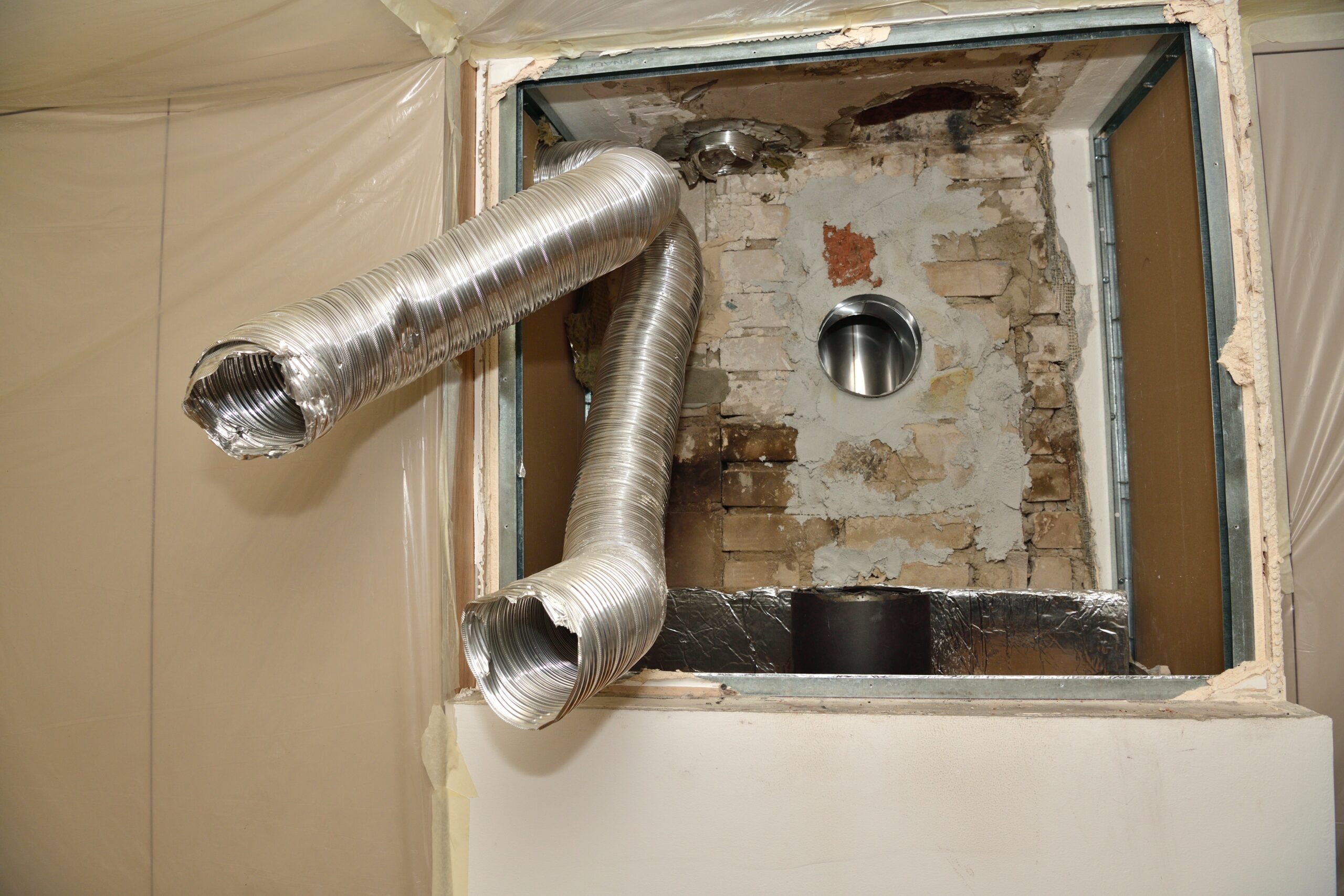
An off-season chimney service appointment may begin with an inspection of the accessible masonry, crown, cap, flashing, firebox, smoke chamber, and flue. Depending on the chimney’s condition, the technician may also recommend video scanning to examine areas inside the flue that cannot be evaluated adequately from the outside.
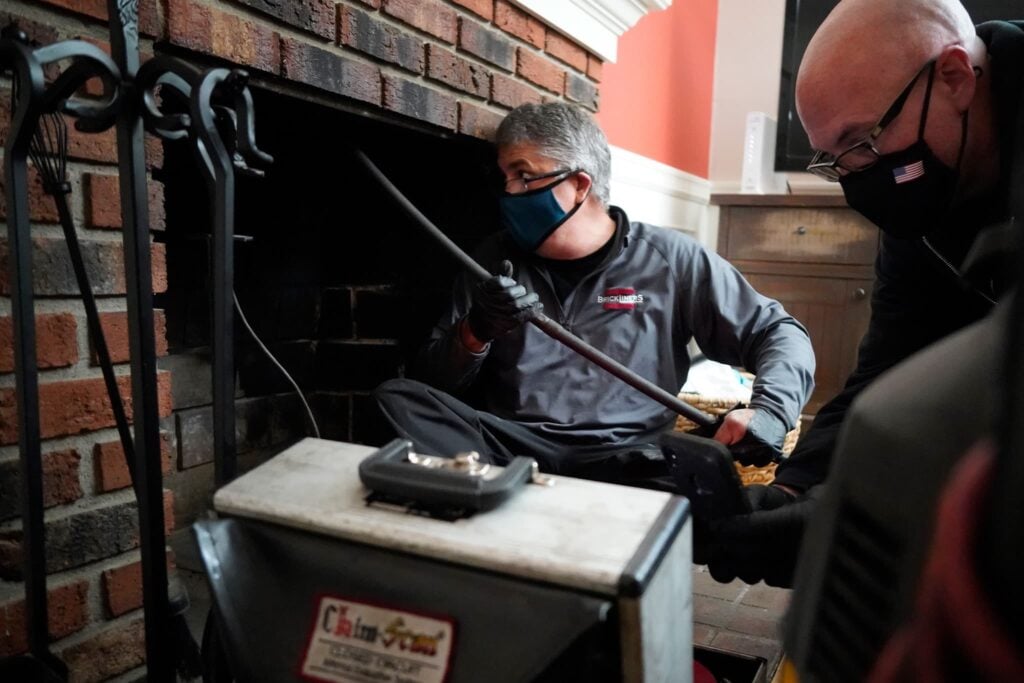
This is also a convenient time to coordinate repair with a chimney sweep or chimney cleaning appointment. Cleaning removes soot and creosote buildup, while an inspection evaluates the system’s condition. These are related services, but cleaning alone does not correct cracked mortar, liner damage, leaks, or missing protective components.
Scheduling before the fall rush also provides more time to consider the recommended work without the pressure of an approaching heating season.
Repairs Worth Scheduling Before the First Frost
Not every chimney problem requires the same solution. A qualified inspection helps determine where damage is located, what caused it, and which repairs are appropriate. Brickliners handles problems involving masonry, liners, leaks, crowns, caps, flashing, dampers, and smoke chambers.
Repointing and Mortar Joints
Mortar joints are intended to hold the chimney’s masonry together while accommodating exposure and movement. When mortar begins cracking, crumbling, or washing away, openings can allow water to penetrate the structure.
Repointing removes deteriorated material to an appropriate depth before new mortar is installed. Completing this work before winter can help limit further moisture entry and reduce deterioration caused by freezing water. It also restores stability without automatically requiring a complete chimney rebuild.
Small mortar defects should not be dismissed as cosmetic. Once moisture enters damaged joints, repeated freeze-thaw cycles can accelerate masonry failure and increase the eventual scope of chimney repair.
Crown and Cap Work
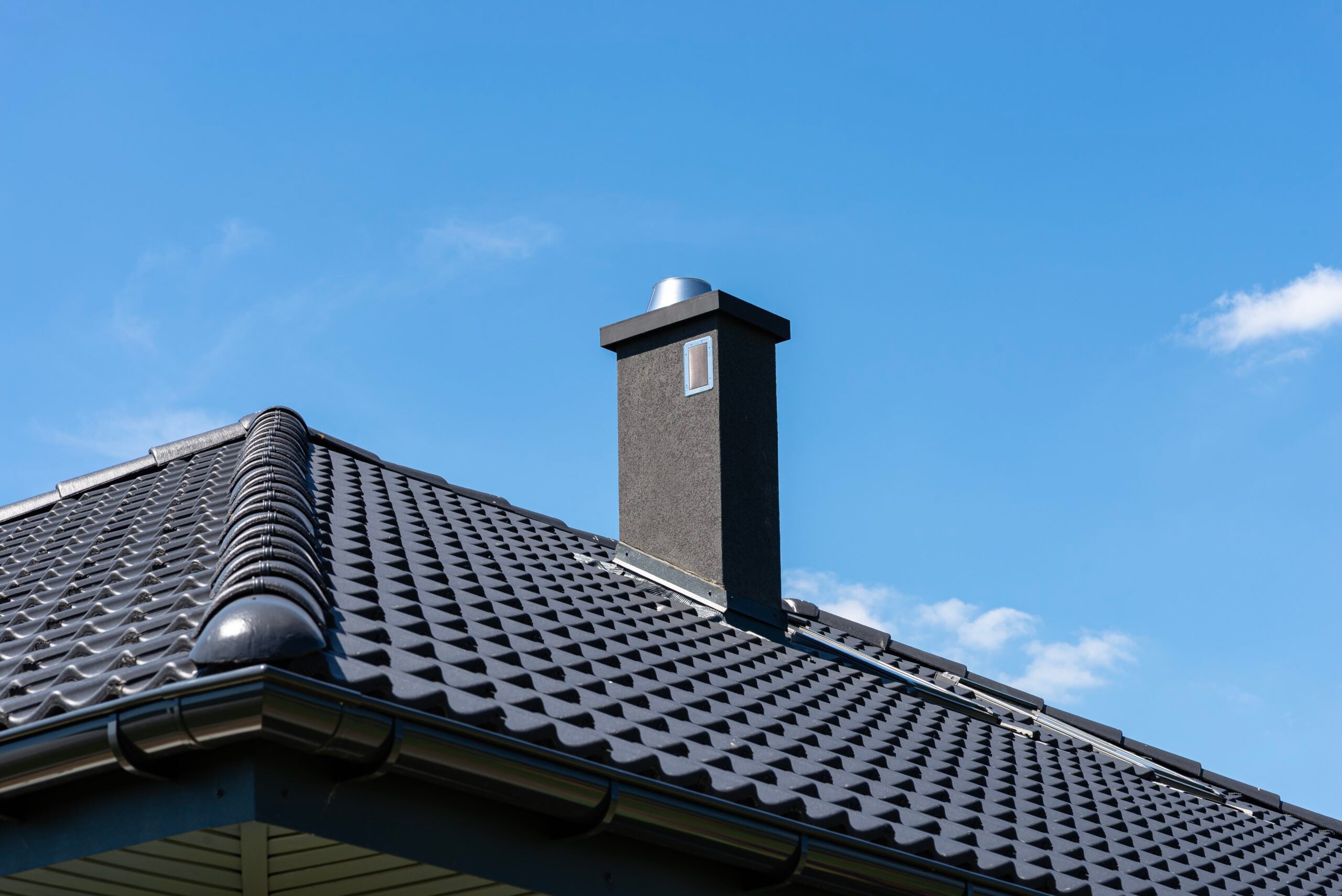
The chimney crown covers the top of a masonry chimney and helps direct water away from the flue and exterior walls. If it develops cracks or lacks adequate protection, rain and melting snow may enter the masonry below.
The chimney cap protects the flue opening from rain, debris, and animals. A missing, loose, or corroded cap can expose the system to preventable moisture and blockages. Depending on the damage, service may involve crown repair, crown rebuilding, sealing, or cap replacement.
A damaged crown or cap should be addressed before winter weather turns a manageable opening into widespread water damage.
Waterproofing and Flashing
Flashing seals the connection between the chimney and roof. Gaps, corrosion, improper installation, or deteriorated sealant can allow water to enter the roofline and appear around ceilings or walls inside the home.
A technician must identify the source before recommending repairs because chimney leaks can originate from flashing, the crown, porous masonry, or several areas at once. Appropriate waterproofing can then help reduce future water infiltration while allowing masonry vapor to escape.
Signs of a possible leak include stains, damp odors, water in the firebox, exterior discoloration, and dripping sounds.
What Happens If You Wait Until You Need a Fire
Waiting until the first cold night can leave you with a fireplace that should not be used until it is inspected or repaired. A damaged chimney liner, obstructed flue, deteriorated smoke chamber, or heavy creosote accumulation may increase the possibility of smoke problems, carbon monoxide exposure, or a fire hazard.
Delays can also allow moisture damage to spread. Brickliners notes that unaddressed problems may lead to structural deterioration, reduced performance, increased costs, and potential safety hazards.
If your chimney shows warning signs, avoid assuming it is safe because it worked last season. Arrange an inspection before using the fireplace.
Schedule Your Chimney Repair Before Winter
Prepare your fireplace before temperatures fall with Brickliners’ CSIA-certified team. From repointing and crown work to liner and leak repairs, its experienced technicians provide comprehensive chimney services across Vermont, Maine, and New Hampshire.
Schedule your inspection and contact us today to complete necessary repairs before winter weather and fireplace season arrive.