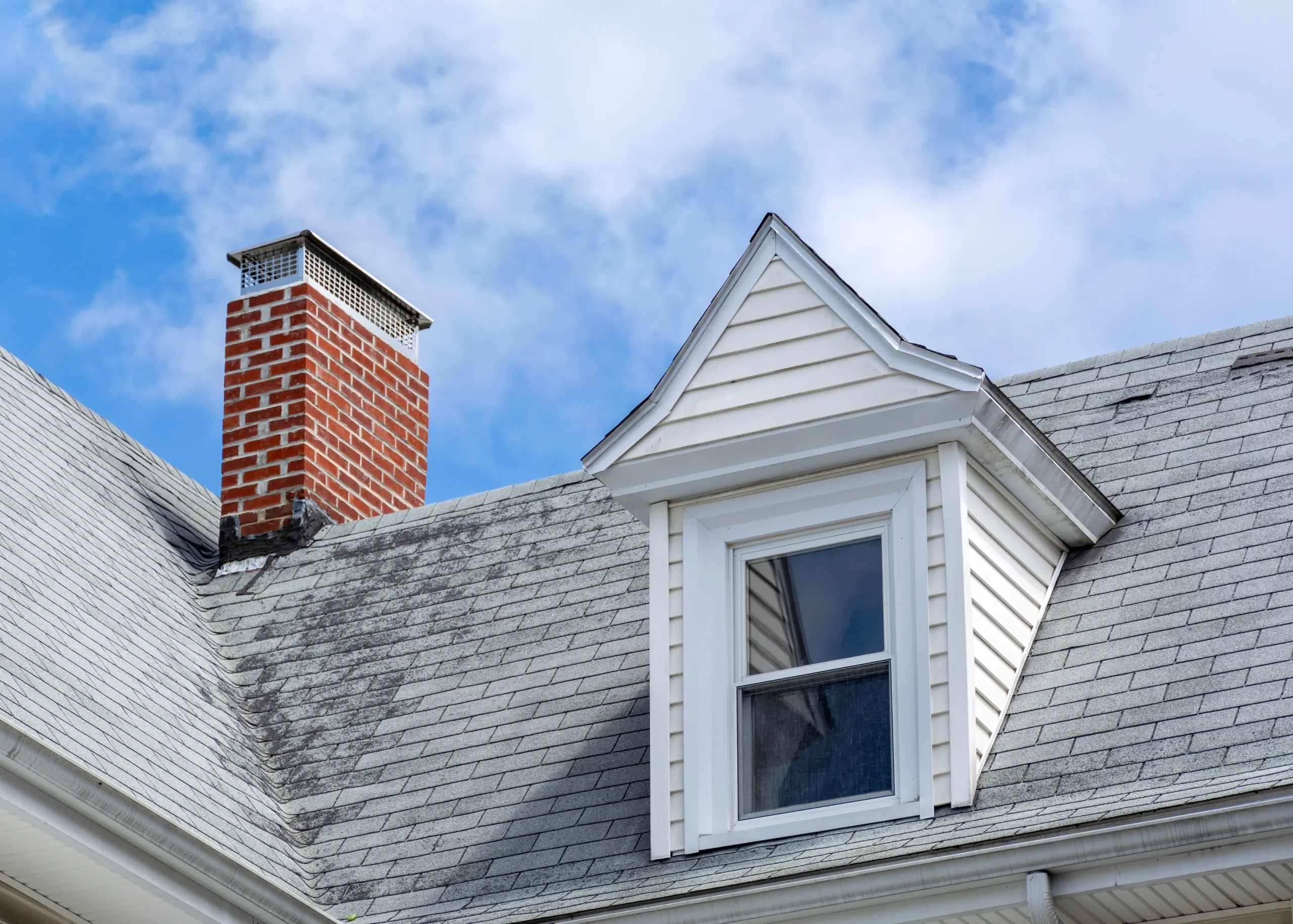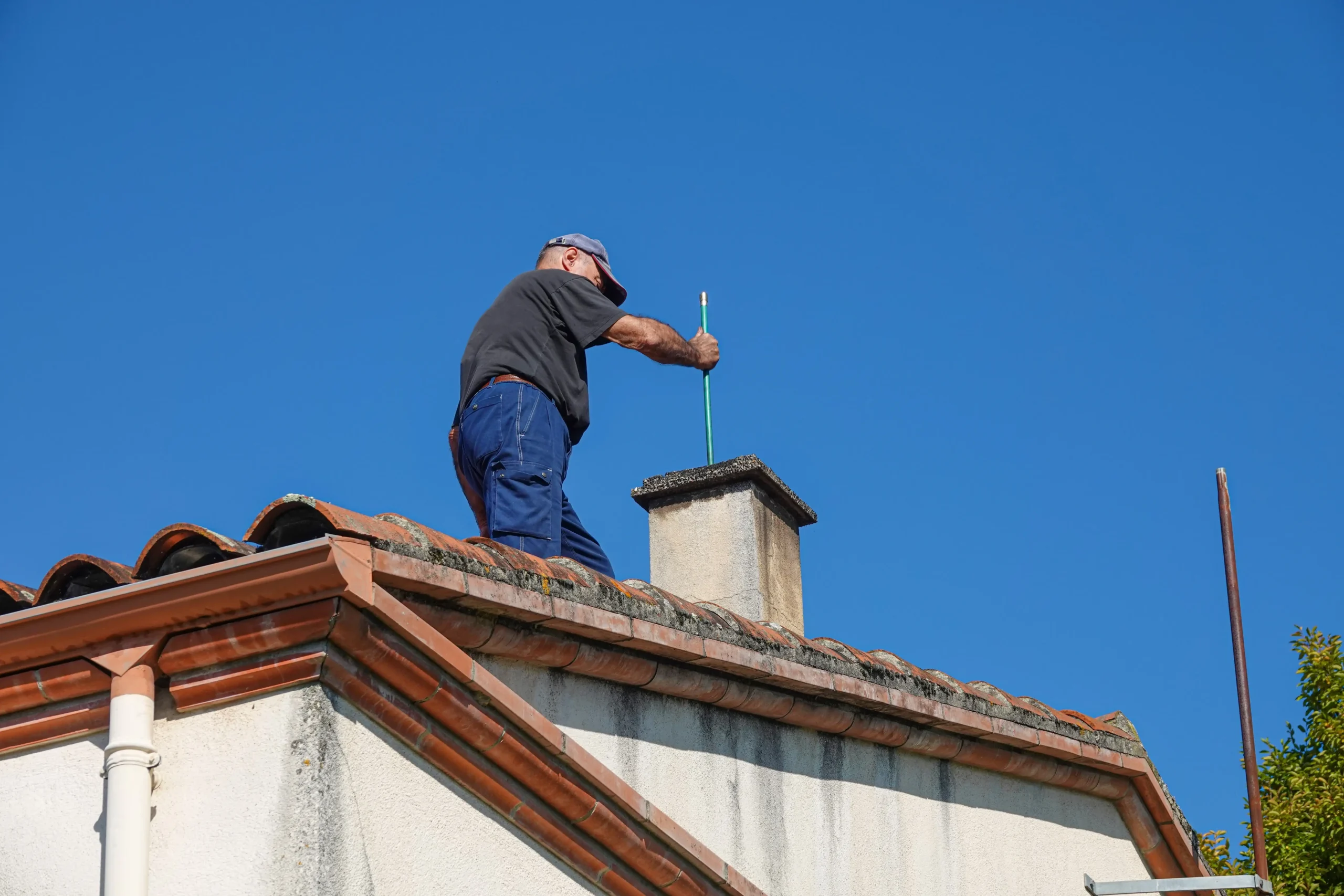
Chimney flashing repair is one of the fastest ways to stop moisture from slipping in where your chimney meets the roof, especially in Maine where wind-driven rain, snow load, and freeze-thaw cycles punish every seam. When roof and chimney flashing is loose, rusted, or poorly sealed, a small gap can quickly turn into water damage inside your attic, ceilings, and walls—often before you even notice a problem.
What Is Chimney Flashing and Why Does It Matter?
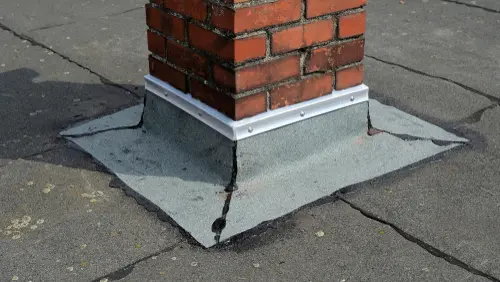
Chimney flashing is the waterproof transition system installed around the chimney where it intersects the roofing. It’s typically made from metal flashing and works together with roofing materials and sealants to prevent water from entering at the most vulnerable joint on the roof. Because the chimney is a rigid structure and the roof moves slightly with temperature, wind, and settling, flashing needs to flex and stay sealed long term.
When installed correctly, flashing creates a layered barrier that channels runoff away from the chimney and back onto the roof surface. When it fails, the result can be a leaky chimney, soaked sheathing, damaged insulation, and stains that show up far from the original leak path.
How Chimney Flashing Protects Your Roof and Home
Think of flashing as a carefully designed drainage path. Instead of relying on caulk alone, flashing uses overlapping metal pieces and roofing layers so water naturally sheds downhill. This system is essential because the point where the chimney meets the roof is a complicated intersection with corners, slopes, and fasteners—exactly where water wants to slip in.
A well-built flashing system:
- Directs water away from the sides of the chimney and onto the shingles
- Covers vulnerable edges with base flashing and layered pieces
- Works with step flashing along sloped roof lines
- Seals into masonry via counterflashing so water doesn’t slip behind it
- Helps prevent leaks that can rot decking, rafters, and fascia
- Supports a dry, healthy interior by keeping moisture out and protecting insulation
When flashing is compromised, water can follow framing, rafters, and drywall, making a simple issue look like a mystery. That’s why homeowners often call for chimney leak repair after seeing interior stains, only to learn the root cause is failing flashing.
Common Causes of Chimney Flashing Failure
- Improper flashing installation or missing pieces around corners
- Dried, cracked sealant where flashing meets masonry
- Loose fasteners from wind, roof movement, or vibration
- Rusted or corroded metal flashing (especially on older systems)
- Deteriorated mortar joints where counterflashing is set
- Ice dams pushing water backward and under shingles
- Storm damage that bends or lifts flashing components
- Roofing replacement done without properly integrating step flashing
- Aged materials that no longer flex or shed water reliably
Signs You Need Chimney Flashing Repair
Flashing problems rarely announce themselves with a dramatic drip. Many start as small, intermittent leaks that show up only in certain weather. If you suspect a chimney water leak, paying attention to early clues can save you from expensive repairs later.
Water Stains on Ceilings or Walls Near the Chimney
Brown rings on ceilings, bubbling paint, or damp drywall near the chimney area are classic signs that water is getting past your roofing system. Even if the stain looks minor, it may indicate moisture is traveling through insulation and framing—meaning the leak has been active for a while. Over time, that moisture can lead to warped trim, peeling paint, and mold growth.
This is where targeted flashing repair can be crucial. By resealing gaps and securing loose components, professionals can stop moisture at the source rather than chasing interior symptoms.
Leaks During Heavy Rain or Snow Melt
If water appears during a downpour or right after a thaw, flashing is often the problem. Maine weather creates perfect conditions for this: heavy snow accumulates around the chimney, then melts and refreezes. That cycle forces water into small seams, especially where roof lines meet masonry.
A leak that appears only during snowmelt is often linked to ice dams. Water backs up under the shingles and finds its way into openings around the flashing. In those cases, chimney flashing repair remains important, but the inspection should also evaluate how water is flowing on the roof and whether ice-dam conditions are contributing.
Rusted, Cracked, or Loose Flashing
Visible rust, lifted edges, missing fasteners, or bent metal around the chimney are all red flags. On some homes, you may see separation where flashing meets the masonry or shingles. On others, the problem hides behind counterflashing or under roofing layers, which is why a professional evaluation matters.
If the flashing has pulled away, water can run behind it and soak the roof deck. In advanced cases, you may also see a damaged chimney exterior—spalling bricks, soft mortar, or staining that suggests chronic moisture exposure.
Why Chimney Flashing Repair Is Especially Important in Maine
Maine homes face a mix of coastal moisture, inland cold, and long winters that stress both roofing and masonry. Flashing has to handle extreme temperature swings, snow loads, and repeated freeze-thaw events—all while remaining sealed to two different materials: roof and chimney.
Freeze-Thaw Cycles and Metal Expansion
As temperatures rise and fall, metal flashing expands and contracts. That movement can slowly loosen fasteners, crack sealant, or widen tiny gaps at the edges. At the same time, masonry around the chimney can shift slightly, and mortar joints can deteriorate. When those joints weaken where counterflashing is embedded, water can slip behind the system.
Freeze-thaw also affects masonry above the roofline, including the chimney crown and areas near the top of the chimney. When water penetrates and freezes, it expands and breaks down materials. Even if the leak begins at flashing, it can spread into crown cracks and other vulnerable spots if left alone.
Heavy Snow, Ice Dams, and Water Intrusion
Snow piles up around chimneys because the structure interrupts how snow slides off the roof. As heat escapes through the home, snow melts and refreezes, creating ice dams that trap water. That trapped water looks for an entry point—often the seams around the chimney and the overlapping layers of flashing.
When flashing is properly layered, it channels water back onto the roof surface. When it’s damaged or missing, water can slip under shingles and into decking. The result may be hidden rot in the roof system, damp insulation, and interior staining that grows worse with each storm.
Preventing Costly Structural and Mold Damage
Moisture intrusion isn’t just an inconvenience. Once a chimney water leak reaches the attic or wall cavities, it can lead to long-term issues like mold, wood decay, and compromised roof framing. Because water travels, homeowners may not connect the dots between a stain in a bedroom and a flashing failure above.
Early chimney flashing repair helps you protects your home from water by stopping the leak at the transition point rather than dealing with secondary damage later. This proactive approach is often the difference between a straightforward fix and major restoration work.
Chimney Flashing Repair vs. Replacement
Homeowners often ask whether flashing can be fixed or if they need chimney flashing replacement. The answer depends on the age of the flashing, how it was installed, and how extensive the corrosion or separation is. In many cases, professionals evaluate whether to repair or replace based on the integrity of the metal, the condition of surrounding roofing, and the masonry connection.
When Flashing Can Be Repaired
Flashing repair is often possible when the main metal components are still structurally sound and the problem is limited to separation, fasteners, or sealant failure. A repair may be appropriate when:
- The metal isn’t deeply corroded or cracked
- The flashing pieces are correctly layered but have loosened
- Sealant has failed in targeted spots
- Minor gaps have formed along the sides of the chimney
- The roof covering around the chimney is still in good condition
When Full Flashing Replacement Is Necessary
A full replacement is usually recommended when the flashing is rusted through, improperly integrated with the roof, or missing key components. Chimney flashing replacement may also be necessary when a roof is being replaced and the existing flashing can’t be reliably reused.
Replacement is often the smarter option when:
- The metal is severely corroded or warped
- The system was installed incorrectly (missing proper layering)
- Water has been entering behind flashing for a while
- Roofing around the chimney must be removed to repair decking
- Counterflashing is failing due to crumbling mortar joints
A proper replacement includes correctly integrated base flashing and step flashing, with components that shed water naturally. Done right, it’s a durable solution that supports roof performance long term.
What Happens During a Professional Chimney Flashing Repair?
Professional chimney flashing repair is more than applying caulk and hoping for the best. A qualified technician approaches the problem as a water-management system that must work with gravity, roof pitch, and material movement. The process also often includes checking other chimney components that could mimic a flashing leak.
Chimney and Roof Inspection
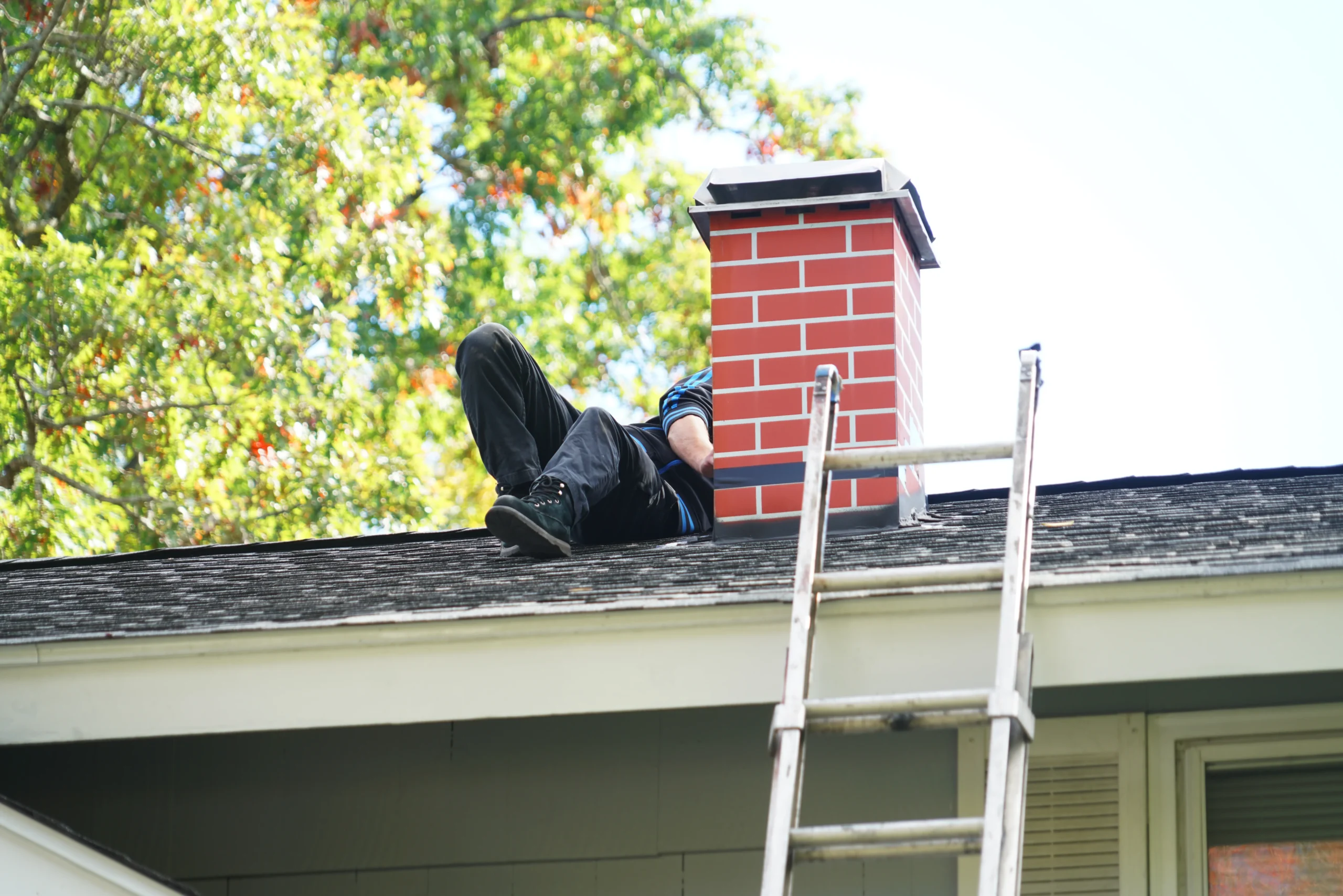
A thorough inspection starts outside, focusing on the seam where the roof and chimney meet. Professionals examine flashing layers, fasteners, sealant condition, and areas where water might be forced upward by ice dams or wind-driven rain.
They may also evaluate:
- Masonry condition and mortar joints
- The chimney crown for cracking or deterioration
- Whether a chimney cap is present and functioning
- Staining patterns that indicate chronic moisture exposure
- Roofing condition around the chimney intersection
This matters because a leaky chimney isn’t always only a flashing issue. Rain can enter through a missing cap, a cracked crown, or gaps in brickwork, then appear near the roofline.
Sealing, Refastening, or Replacing Flashing Components
Depending on what’s found, the repair may include resealing seams, tightening and replacing fasteners, or swapping out compromised pieces. Technicians may reset counterflashing, repair masonry grooves where it seats, or replace damaged sections of metal flashing.
In more involved repairs, they may remove shingles around the chimney to reinstall proper step flashing and ensure each layer overlaps correctly. That layered overlap is what helps prevent water from entering without relying solely on sealant.
Final Water-Tightness Testing
After the repair, pros typically verify that water is shedding correctly. This may include checking all edges and corners, confirming that the flashing is tight against the chimney, and ensuring no gaps exist where wind-driven rain can intrude.
Water-tightness isn’t just about stopping today’s drip. It’s about confirming the system will hold up through Maine’s next heavy storm, thaw cycle, or ice dam event—so your chimney leak repair is truly complete.
Can Chimney Flashing Repair Be a DIY Project?
Some homeowners consider DIY fixes when they see a stain or suspect a small leak. While it can be tempting to apply roofing cement or caulk, roof leaks at the chimney intersection are often more complex than they appear. The risks include both personal safety and worsening the leak.
Safety Risks of Working on Roofs
Roofs become especially dangerous in Maine due to frost, snow, wet shingles, and steep pitches. A slip can cause serious injury. Even on a dry day, reaching the chimney area often requires climbing on sloped sections near edges, which is risky without proper fall protection.
Beyond the fall risk, DIY attempts often overlook hidden problems. Water may be entering behind shingles, or the flashing layers may be incorrectly installed under the roof covering. Sealing only the visible gap can trap water or redirect it into another weak spot.
Why Professional Flashing Repair Is Recommended
Professional repair reduces risk and increases the chance that the solution lasts. Trained technicians understand how roof and chimney flashing is supposed to be layered and can identify whether the best approach is to repair or replace. They also have the tools to access the chimney area safely and evaluate surrounding roofing and masonry.
A professional approach typically helps because it includes:
- Safe roof access and proper jobsite protection
- Diagnosis of the true entry point—not just the visible symptom
- Correct integration of base flashing and step flashing
- Proper resealing and fastening methods for metal flashing
- Inspection of related components like the chimney crown and chimney cap
- A solution designed to prevent leaks through Maine weather cycles
If you’re dealing with a persistent chimney water leak, it’s usually cheaper to get it handled correctly now than to keep patching it and paying for interior repairs later.
How Chimney Flashing Repair Prevents Chimney and Roof Damage
Flashing repair does more than stop a drip. It protects the roof structure, chimney masonry, and interior finishes by keeping water where it belongs—outside your home.
Protecting Masonry and Roof Structures
When water gets in around the chimney, it can soak the roof deck and rot wood framing. It can also saturate masonry, weakening brick and mortar. Once moisture penetrates the chimney exterior, freeze-thaw cycles can accelerate cracking and deterioration.
By restoring a watertight seal where the chimney meets the roof, chimney flashing repair blocks water pathways that lead to a damaged chimney and compromised roofing components. It also reduces the chance of hidden mold growth caused by damp insulation and enclosed wall cavities.
Extending the Life of Your Chimney and Roofing System
When flashing works, your roofing system sheds water efficiently and your chimney stays drier. That means fewer repairs to roof decking, fewer masonry issues, and less need for early replacement work. Proper flashing installation and maintenance can extend the service life of both the chimney and roof.
If the flashing is beyond repair, a quality chimney flashing replacement can provide the same long-term benefits—especially when installed as a fully integrated part of the roofing system instead of a surface patch.
Schedule Chimney Flashing Repair in Maine
Protect your roofline before a small leak becomes major water damage. Brickliners provides professional chimney flashing repair for Maine homes—contact us to schedule an inspection, stop leaks fast, and keep your roof and chimney protected through every season.
Frequently Asked Questions About Chimney Flashing Repair
What causes chimney flashing to leak?
Chimney flashing leaks usually happen when metal flashing corrodes, fasteners loosen, or sealant fails where flashing meets masonry. Poor layering of step flashing and base flashing can also let water slip behind shingles, especially where the roof and chimney intersect during storms or thaw cycles.
How long does chimney flashing repair take?
Time depends on roof pitch, access, and the condition of the flashing system. Minor flashing repair may take a few hours, while work that requires removing shingles to reset roof and chimney flashing can take longer. Weather conditions and the extent of damage also influence total time.
How much does chimney flashing repair cost in Maine?
Costs vary based on whether the job is a simple reseal, partial component replacement, or full chimney flashing replacement. Roof height, flashing material, and the need to address related issues—like deteriorated mortar joints or roof decking—can affect pricing. A professional inspection provides the most accurate estimate.
Can chimney flashing leaks cause interior damage?
Chimney flashing leaks can cause hidden moisture problems that spread beyond the chimney area. Water can soak insulation, stain drywall, and damage framing before you see active dripping. Over time, a chimney water leak can lead to mold and structural decay, making prompt chimney leak repair an important preventive step.
Should chimney flashing be replaced during roof replacement?
Many roof replacements include updating flashing because it’s the best time to integrate new components correctly. If flashing is older, corroded, or improperly installed, replacement during reroofing is often recommended. This ensures prevent water from entering at the chimney intersection and avoids reopening the roof later.
How can I prevent future chimney flashing problems?
Prevention starts with regular inspections and addressing small issues early. Keeping a functional chimney cap, maintaining the chimney crown, and repairing failing mortar joints helps reduce moisture exposure. Proper drainage and correctly layered flashing also help prevent leaks and support a durable, long term roof system.