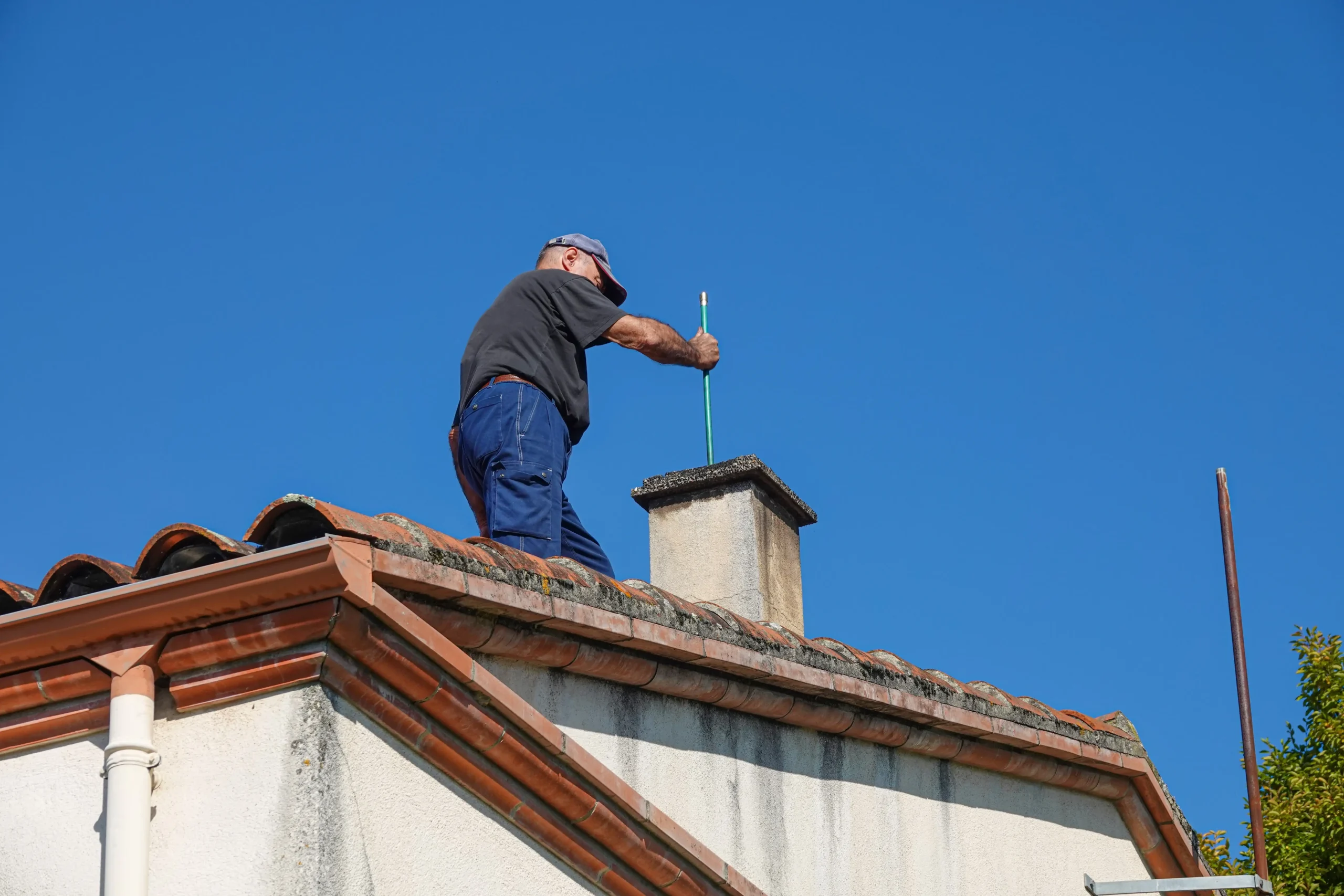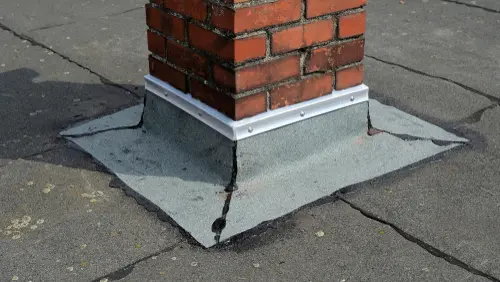
The chimney crown may seem like a small detail, but it plays a major role in protecting your home. Located at the very top of the chimney, the crown acts as a shield against rain, snow, and ice. When it begins to crack or deteriorate, water can enter the chimney system and slowly cause damage from the top down. For Maine homeowners facing long winters and constant freeze-thaw cycles, timely chimney crown repair is one of the most effective ways to prevent moisture intrusion and costly structural damage.
What Is a Chimney Crown and Why Is It Important?
A chimney crown is the concrete or mortar surface that seals the top of a masonry chimney around the flue opening. Its primary purpose is to direct water away from the chimney while protecting the flue liner and masonry below.
When a crown is properly constructed, it sheds water efficiently and limits moisture absorption. However, crowns are exposed to extreme weather year-round. Over time, temperature changes, moisture, and aging materials can cause cracks, thinning, or separation from the flue tile. Even minor damage can allow water to penetrate the chimney structure, accelerating deterioration below the surface.
Signs You Need Chimney Crown Repair
Crown damage often develops gradually, making it easy to overlook until noticeable symptoms appear. Common warning signs include:
- Cracks or crumbling concrete on the crown surface
- Water stains or dampness near the fireplace or chimney
- Loose or damaged masonry beneath the crown
- Deteriorating flue tiles are visible at the top of the chimney
These symptoms often indicate that moisture is entering the chimney and should be addressed promptly to avoid more extensive repairs.
Why Chimney Crown Damage Is a Serious Issue in Maine
Maine’s climate is especially tough on chimney systems. During winter, water seeps into small openings and freezes, expanding cracks further each time temperatures fluctuate. Snow and ice often sit on the chimney for long periods, keeping moisture in constant contact with the crown.
Repeated exposure over time accelerates wear, increasing the risk of chimney water damage. If left unresolved, moisture can compromise flue liners, erode mortar joints, and cause bricks to spall or loosen, turning a relatively small repair into a major restoration project.
Chimney Crown Repair vs. Replacement
Not every damaged crown requires a full rebuild. The right solution depends on the severity and extent of the deterioration.
Crown repair is typically sufficient when cracks are minor and the overall structure remains sound. In these cases, sealing, patching, or resurfacing can restore the crown’s protective function and stop water intrusion.
However, when cracking is widespread, the concrete is breaking apart, or the crown was poorly constructed from the start, chimney crown replacement may be the better long-term option. Replacing the crown ensures proper thickness, slope, and durability, especially important in Maine’s demanding climate.
What Happens During a Professional Chimney Crown Repair?
Professional crown repair begins with a detailed inspection of the chimney top. We assess the condition of the crown, flue tiles, and surrounding masonry to identify damage and determine the best course of action.
Depending on the findings, repairs may include cleaning and sealing cracks, rebuilding deteriorated sections, or reshaping the crown to improve water runoff. In many cases, a waterproofing product is applied afterward to reduce future moisture absorption and extend the life of the repair.
This process not only addresses visible damage but also helps prevent hidden moisture problems from developing over time.
Can You Repair a Chimney Crown Yourself?
DIY chimney crown repairs may seem straightforward, but they often create more problems than they solve. Working at roof height presents safety risks, and using improper materials can trap moisture rather than repel it. Temporary patching products may fail quickly under Maine’s freeze-thaw conditions, leading to repeated damage.
Hiring a professional chimney mason ensures the crown is repaired or rebuilt correctly, using materials and techniques designed to withstand local weather and protect the chimney long term.
How Chimney Crown Repair Protects Your Entire Chimney
Repairing the crown protects every component below it. By stopping water at the top of the chimney, homeowners reduce the risk of:
- Flue liner deterioration
- Interior masonry damage
- Brick spalling and mortar erosion
- Costly structural chimney repairs
Addressing crown issues early helps preserve the chimney system as a whole and significantly extends its service life.
Schedule Chimney Crown Repair in Maine
If you’ve noticed cracking, leaks, or signs of deterioration at the top of your chimney, acting sooner rather than later can save time, money, and stress. Our team provides professional inspections, crown repairs, and full chimney care tailored to Maine’s climate. Contact us today to schedule service and protect your chimney from ongoing moisture damage!
Frequently Asked Questions About Chimney Crown Repair
What causes chimney crown cracks?
Cracks form due to weather exposure, aging materials, freeze-thaw cycles, and improper construction.
How long does chimney crown repair last?
Properly completed repairs can last many years, especially when combined with waterproofing.
How much does chimney crown repair cost in Maine?
Costs vary depending on the severity of the damage and whether repair or replacement is required.
Can cracks in the chimney crown cause leaks inside my home?
Water entering through the crown can travel down the chimney, leading to interior leaks.
Should chimney crown repair be done before winter?
Repairing damage before freezing temperatures prevents cracks from expanding.
How often should a chimney crown be inspected?
The crown should be inspected annually as part of a routine chimney inspection.