If your fireplace seems to be working normally, it can be easy to assume the chimney is fine, too. But many chimney problems develop where you cannot see them from the living room. Small cracks, creosote buildup, loose connections, moisture damage, or obstructions can all develop between heating seasons.
So, how often should a chimney be inspected? For most homes, the answer is once every year. Depending on what has happened to the chimney or how the system has changed, though, you may need a more detailed inspection sooner.
The Short Answer: Once a Year, Every Year
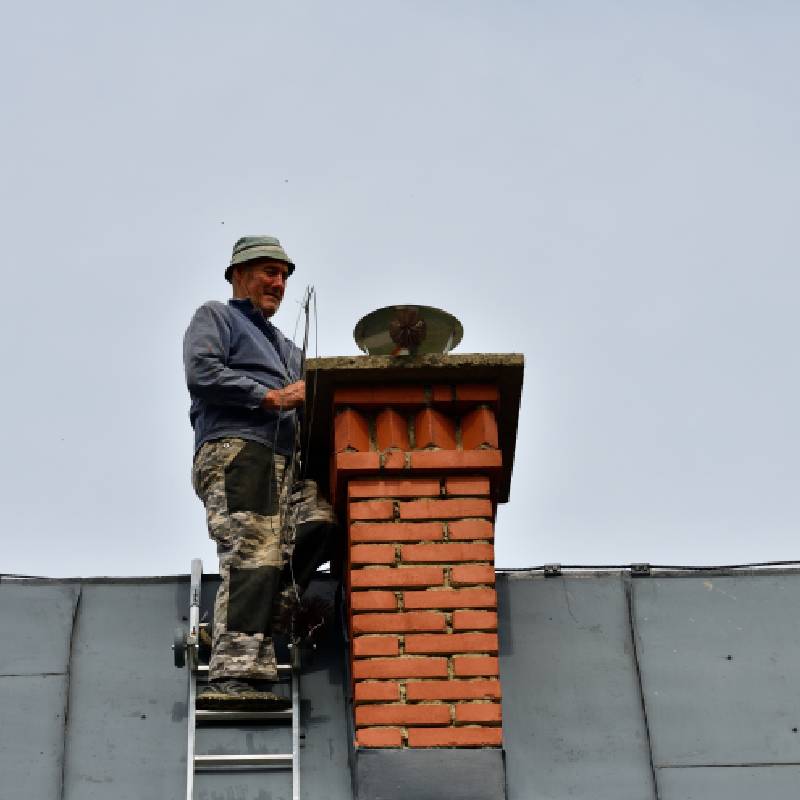
Chimneys, fireplaces, and venting systems should receive an annual chimney inspection, even if you did not use the fireplace very often that year. The goal is to check the system’s general condition, confirm that the flue is not obstructed, and identify deposits or deterioration that could affect continued use.
Annual inspections are especially useful because chimney conditions can change even while the fireplace sits unused. Weather, animals, moisture, and aging materials can all create issues between one heating season and the next.
An inspection also does not automatically mean the chimney needs to be swept. If the technician finds enough soot, creosote, or debris to warrant chimney cleaning, that service can be recommended based on the condition of the system.
The Three Levels of Chimney Inspection
Not every chimney needs the same type of evaluation. The three chimney inspection levels are designed around how the system is being used and whether anything has changed or potentially damaged it.
Level 1: The Standard Annual Check
A Level 1 inspection is typically appropriate when nothing significant has changed. You are using the same fireplace or appliance, burning the same type of fuel, and have not experienced known problems.
The technician examines readily accessible portions of the chimney, fireplace, venting system, and connections. The goal is to confirm that the structure appears sound and that there are no obvious obstructions or combustible deposits that would interfere with normal use.
For many homeowners, this is the inspection performed during routine yearly maintenance.
Level 2: Before a Sale, After a Change, or After an Event
A Level 2 chimney inspection is more detailed. It includes the areas covered by Level 1 but expands the evaluation to other accessible spaces, such as attics, crawl spaces, basements, and the chimney interior.
Video scanning of the flue is an important part of this inspection because it allows the technician to examine areas that cannot be adequately viewed from the fireplace opening.
A Level 2 inspection is generally appropriate when:
- A property is being bought or sold
- The fuel type or appliance has changed
- The chimney has been relined or significantly modified
- A malfunction may have affected the venting system
- A chimney fire or severe weather event may have caused damage
In these situations, the question is no longer simply whether the chimney looks normal. The inspection needs to determine whether it remains suitable for continued or changed use.
Level 3: When Hidden Damage Is Suspected
Level 3 is the most extensive inspection and is not part of routine maintenance. It is used when a Level 1 or Level 2 inspection points to a possible hazard that cannot be fully evaluated without reaching a concealed area.
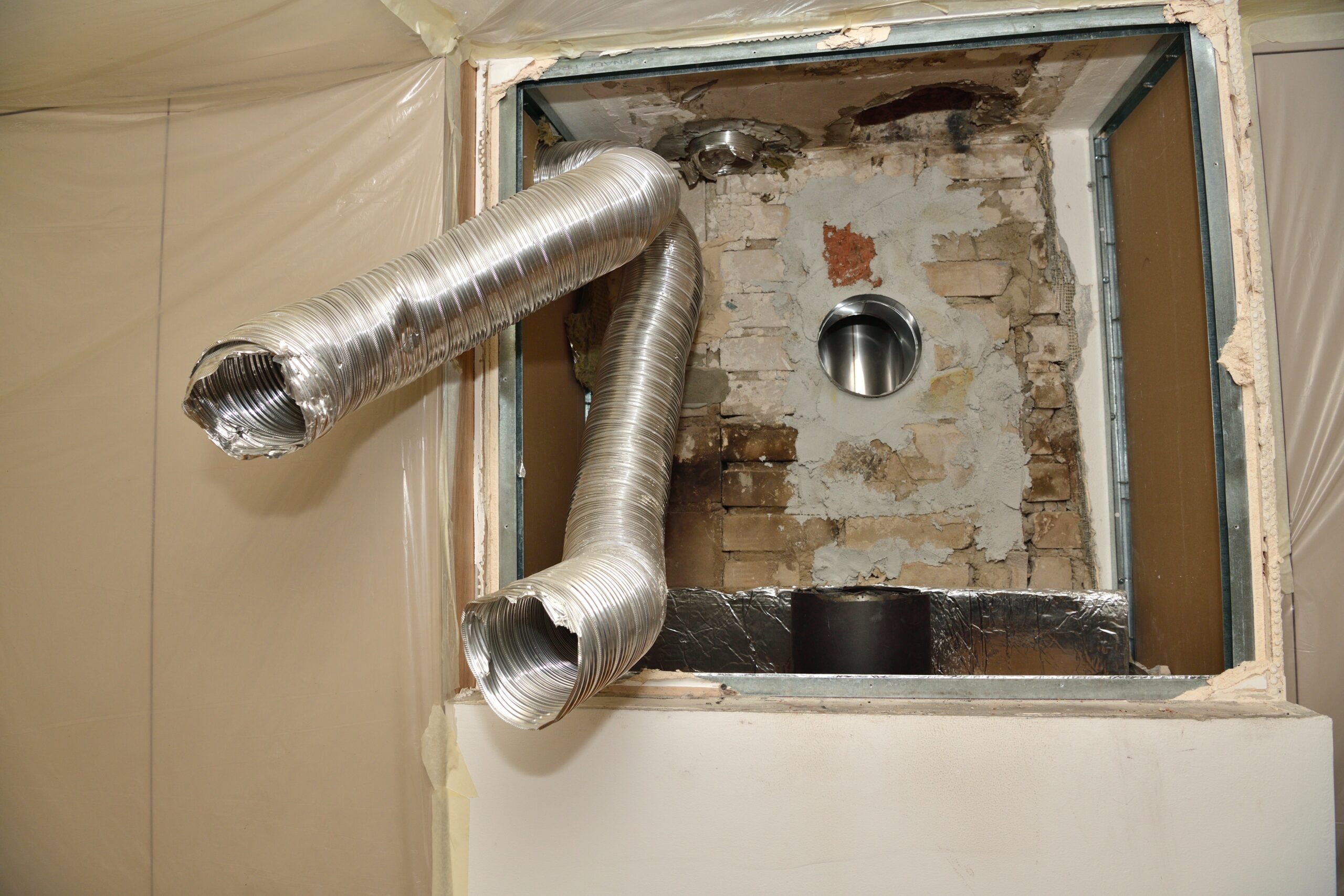
That may require removing certain building or chimney components to access the suspected problem. Because this level can involve opening walls, masonry, or other concealed areas, it is generally reserved for situations where there is a specific reason to investigate further.
When You Need an Inspection Sooner
The annual schedule is a good baseline, but some situations call for a professional chimney inspection without waiting for your usual appointment.
You Bought a Home With an Unknown Chimney History
A general home inspection may not provide the detailed evaluation a chimney system needs. If you do not know when the chimney was last inspected, cleaned, repaired, or used, having it evaluated before lighting a fire gives you a clearer picture of its current condition.
You Changed Fuels or Added an Insert
Changing from one fuel or appliance type to another can change flue-temperature, sizing, and venting requirements. Installing a new stove or fireplace insert is therefore a common reason for a Level 2 chimney inspection.
The existing flue needs to be evaluated to determine whether it is appropriate for the new setup rather than assuming the previous configuration will work.
Severe Weather or a Chimney Fire
A chimney may also need attention after an event that could have damaged it. A chimney fire can affect flue liners and masonry even when the exterior looks normal. Severe storms, falling trees, or other physical damage can also justify an earlier evaluation.
What Happens If You Skip a Year?
Missing an inspection does not guarantee that something will go wrong, but it does create a longer window for problems to develop unnoticed.
Creosote can accumulate, animals can create blockages, water can deteriorate masonry, and liners or other components can develop defects. The longer those changes remain undetected, the more difficult it can be to know whether the system is ready for continued use.
That is why yearly inspections are best viewed as preventive maintenance rather than something you schedule only after the fireplace starts behaving differently.
Book Your Annual Chimney Inspection With Brickliners
At Brickliners, we provide chimney inspections for homeowners throughout Vermont, Maine, and New Hampshire, from routine annual evaluations to more detailed Level 2 inspections when circumstances require them.
If it has been about a year since your last inspection, or you have recently bought a home, changed your fireplace system, or experienced a chimney-related problem, schedule your chimney inspection before your next fire. We’ll evaluate the system and explain what, if anything, needs attention.