When temperatures drop in Vermont, your fireplace becomes part of your daily routine again. Before lighting the first fire, take time to check the system that carries smoke and combustion gases out of your home. Knowing how to prepare your chimney for winter helps you spot concerns early and schedule service before you need the fireplace most.
Use this fall chimney maintenance checklist as a guide. You can make several useful observations from the ground and inside your home, but a qualified professional should assess areas you cannot safely see or reach.
Start With a Sweep and Inspection
The perfect time to schedule a chimney inspection is before the heating season begins. The Chimney Safety Institute of America recommends an annual inspection and sweeping when needed. An inspection can identify obstructions, damage, and creosote buildup; cleaning removes deposits that could contribute to chimney fires.
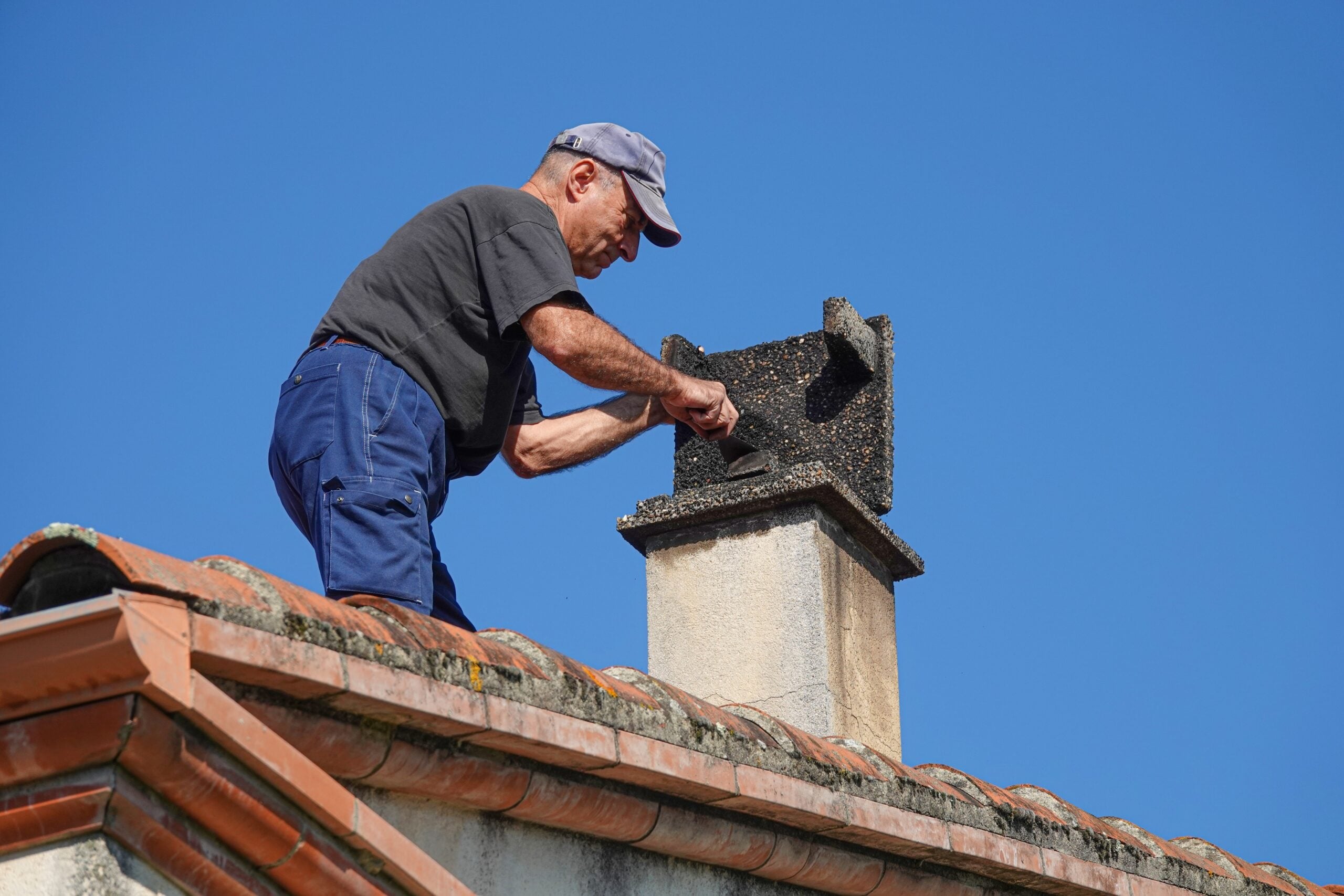
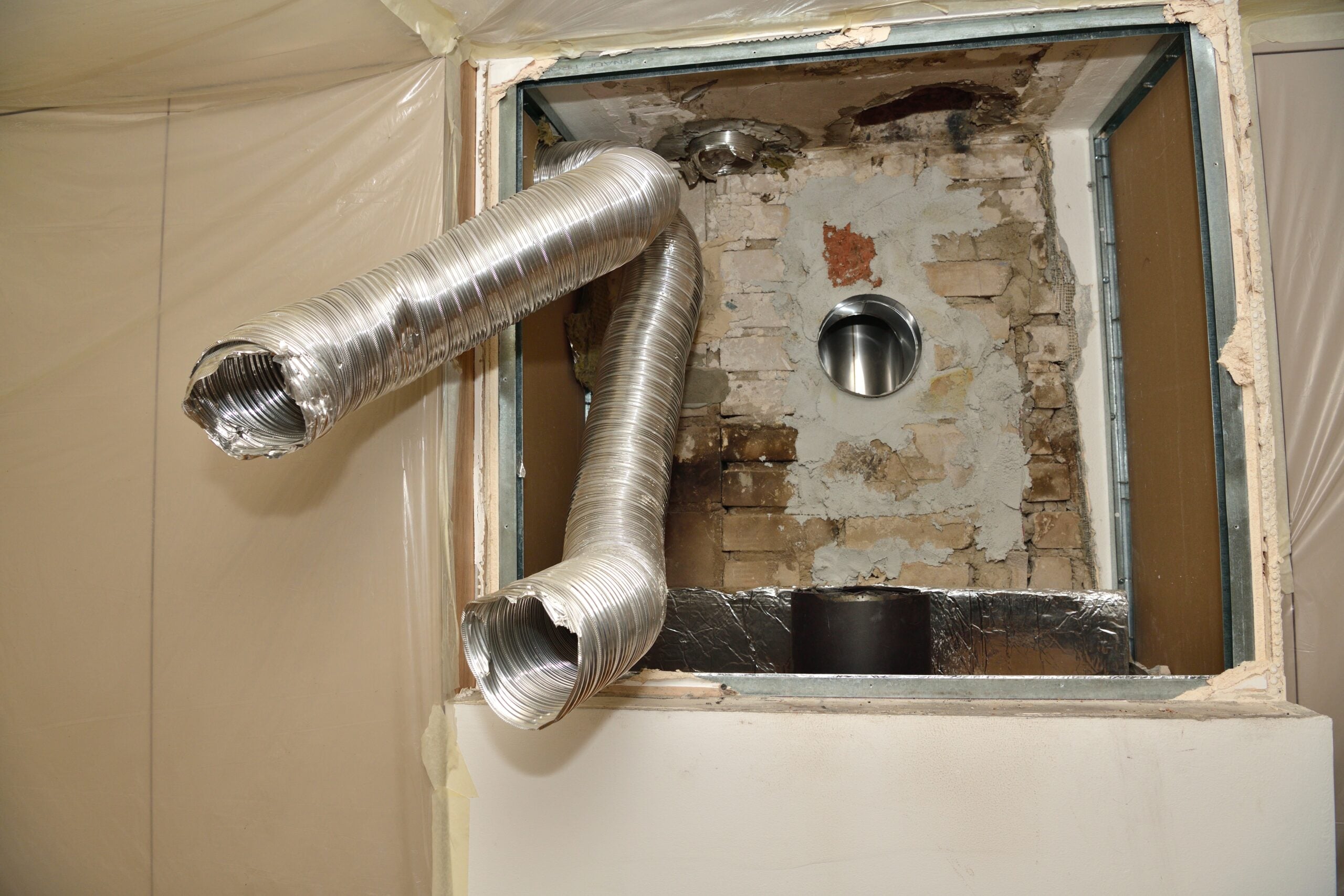
During a visit, a certified chimney sweep can assess the flue, smoke chamber, chimney liner, and accessible components. Professional chimney sweeping removes soot and creosote that household cleaning cannot adequately address. If the chimney needs repairs or a more detailed inspection, the technician can explain what they found before you use it.
Include service in your pre-season chimney checklist if you have a wood-burning fireplace, even if you used it only occasionally last winter. A fireplace that has sat unused may also contain animal nesting material or other obstructions. Gas fireplaces need attention, too: their venting and connected components should be inspected according to the appliance manufacturer’s guidance.
Check the Outside of the Chimney
A ground-level look can reveal changes since last winter. Watch for staining, missing pieces, or signs of water damage, and tell your technician what you notice. Avoid climbing onto the roof to inspect the chimney yourself.
Crown, Cap, and Chase Cover
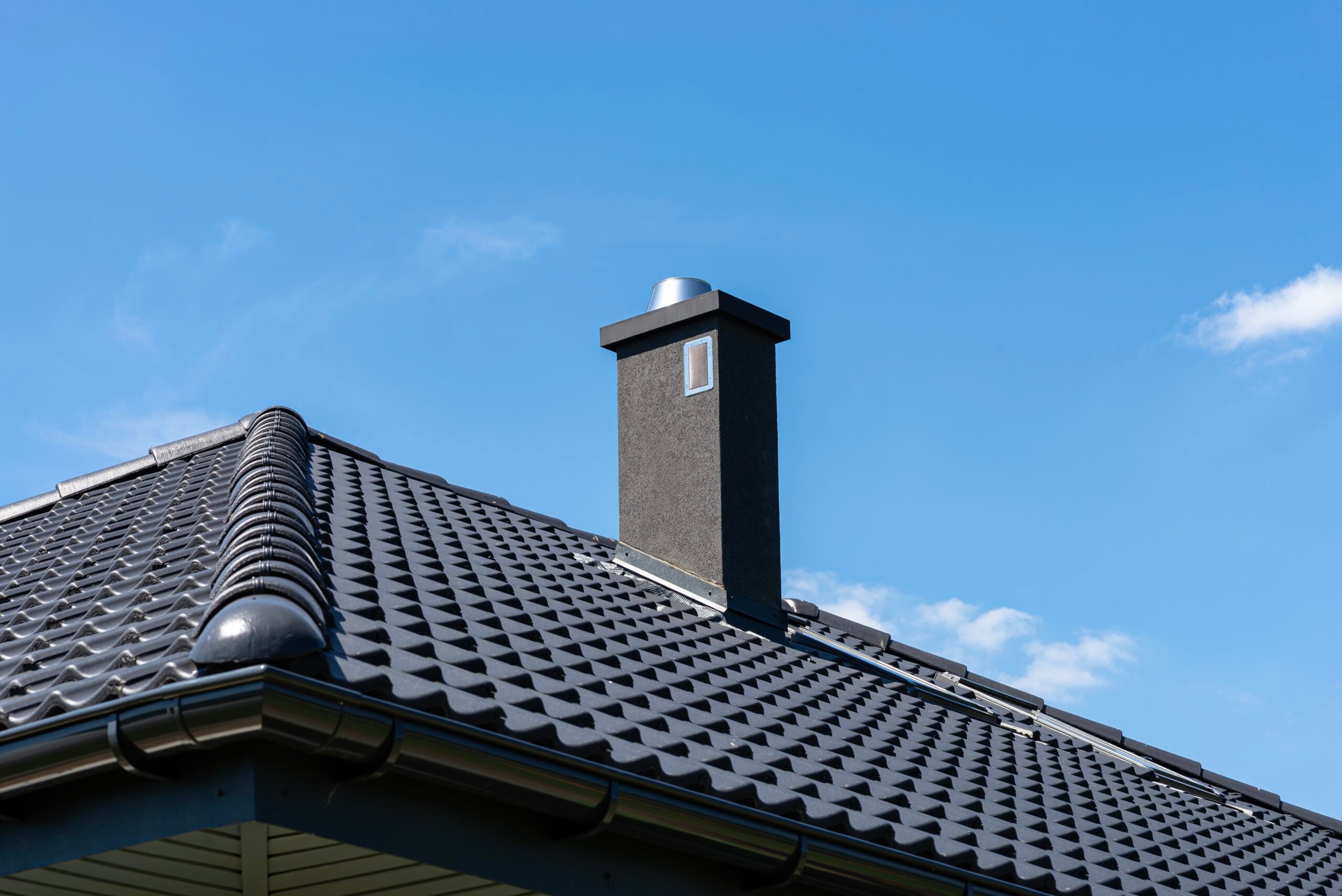
The crown protects the top of a masonry chimney, while a cap helps keep rain, snow, and animals out of the flue. A chase cover serves a similar protective purpose on a framed chimney chase. Look for an obviously missing cap, visible cracks, rust, or staining. Water entering at the top can damage interior components long before the problem becomes visible at the fireplace.
Mortar Joints and Brick Face
Vermont’s freeze-thaw cycles can worsen small openings in brick and mortar. From the ground, look for loose or flaking brick faces, gaps between bricks, and mortar that appears to be crumbling. These changes deserve a closer professional assessment; patching a visible spot may leave the source of moisture or structural movement unresolved.
Flashing Where the Chimney Meets the Roof
Flashing seals the joint between the chimney and roof. If it loosens or deteriorates, water may enter the attic or walls. Stains on nearby ceilings, dampness around the chimney, or visible separation at the roofline are reasons to request an inspection. The cause of a leak is not always apparent from inside the house.
Check the Inside of the Firebox
Getting your fireplace ready for winter also means looking at the areas you can safely see. With the fireplace completely cool, remove loose ash as appropriate for your appliance and check for changes since its last use. Keep a record of anything unusual so you can describe it during your service appointment.
Damper Operation
For a fireplace with a manually operated damper, confirm that it moves freely and opens fully before use. An open damper allows smoke and hot gases to travel up the flue; a stuck or partly closed damper may contribute to smoke entering the room. If it will not move properly, have it evaluated rather than forcing it.
Firebox Mortar and Panels
Look for cracked or missing mortar, damaged firebrick, or deteriorating refractory panels. These components help protect the surrounding structure from heat. If you see significant damage, pause use until a qualified technician assesses it. A clean-looking firebox does not establish that the concealed flue or liner is sound.
Get Your Fuel and Detectors Ready
Good fireplace maintenance continues after the chimney has been professionally cleaned. Before the first fire:
- Store dry, seasoned firewood in a convenient, weather-protected place. Wet wood tends to produce more smoke and creosote.
- Test your smoke alarms and carbon monoxide detector, and replace batteries or units as directed by their manufacturers.
- Keep furniture, decorations, and stored fuel a safe distance from the fireplace opening.
- Review how your damper, screen, or glass doors should be used for your particular system.
Check outside vents after heavy snow as well. Clear venting is essential for appliances to exhaust properly; carbon monoxide cannot be detected by smell.
Book Your Pre-Season Service With Brickliners
Your fireplace and chimney should be ready before you depend on them for warmth. At Brickliners Custom Masonry & Chimney Services, our CSIA-certified team provides chimney cleaning and inspections for homeowners in Burlington, Williston, Essex, Shelburne, and nearby Vermont communities. We can explain what your system needs and help you address concerns before the first fire.
Before the first cold nights arrive, let our certified team inspect and clean your chimney so you can use your fireplace with confidence. Schedule your chimney service with Brickliners.