Your fireplace may sit unused during spring and summer, but the chimney is still exposed to rain, humidity, and changing temperatures. Moisture can enter through cracked masonry, damaged flashing, an aging crown, or an uncovered flue. Because much of the system is out of sight, these problems may grow quietly until you are ready to light the first fire of winter.
A seasonal chimney checkup can catch that damage early and give you time to complete any necessary maintenance.
How Off-Season Moisture Silently Damages Your Chimney
Water does not need to cause an obvious ceiling leak to create trouble. It can soak into brick and mortar, collect around metal parts, or mix with combustion residue inside the flue.
The Freeze-Thaw Cycle: Damage to Brick and Mortar
Brick and mortar naturally absorb small amounts of water. When temperatures drop, trapped moisture freezes and expands. Repeated freezing and thawing can widen cracks, loosen mortar joints, and cause brick faces to flake or break away.
A small opening during the warmer months can become a more significant repair after another winter.
Corrosion and Rust in Chimney Components
Moisture can also affect metal liners, dampers, fireboxes, and appliance connections. Rust may make a damper difficult to operate, while corrosion can weaken parts that contain and direct combustion gases.
A professional inspection looks for staining, pitting, loose connections, and other early signs of deterioration that are difficult to see from inside the room.
How Humidity Affects Creosote
Wood-burning systems often retain soot or creosote after the heating season. During humid weather, that residue can absorb moisture, create strong odors, and contribute to corrosive conditions inside the flue.
Not every chimney automatically needs sweeping each summer. However, it should be checked so chimney sweeping can be recommended when buildup, debris, or an obstruction makes cleaning necessary.
Why an Off-Season Chimney Checkup Is Essential
Scheduling your chimney checkup before winter gives you more time to address problems without interrupting fireplace use. It may also reveal concerns that are easier to repair during dry, mild weather. During the visit, fireplace inspectors usually look for:
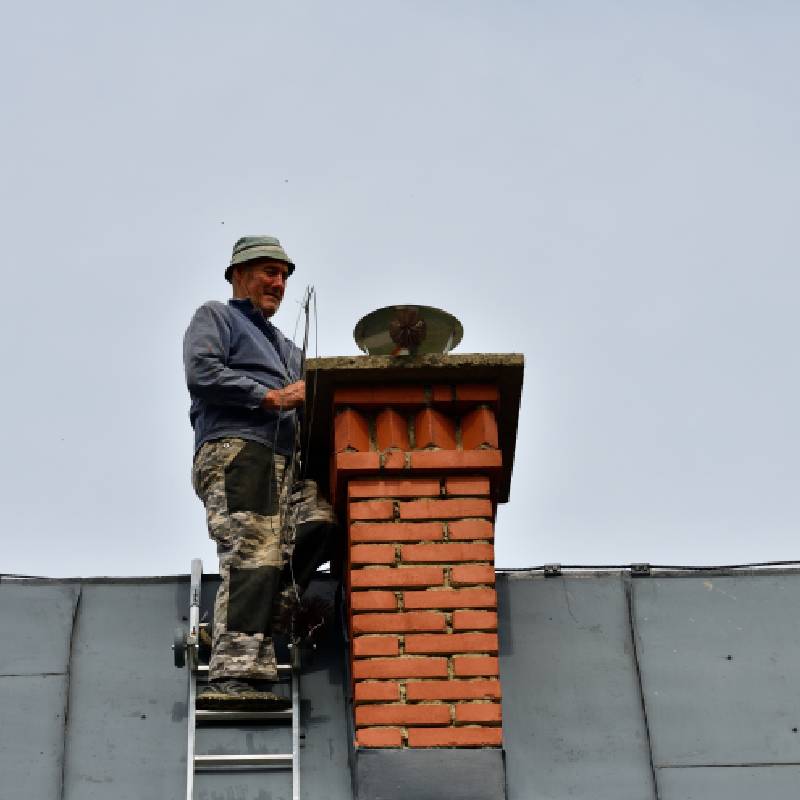
- Cracks in the crown, bricks, or mortar joints
- Gaps around flashing and other water-entry points
- Nests, leaves, or debris inside the flue
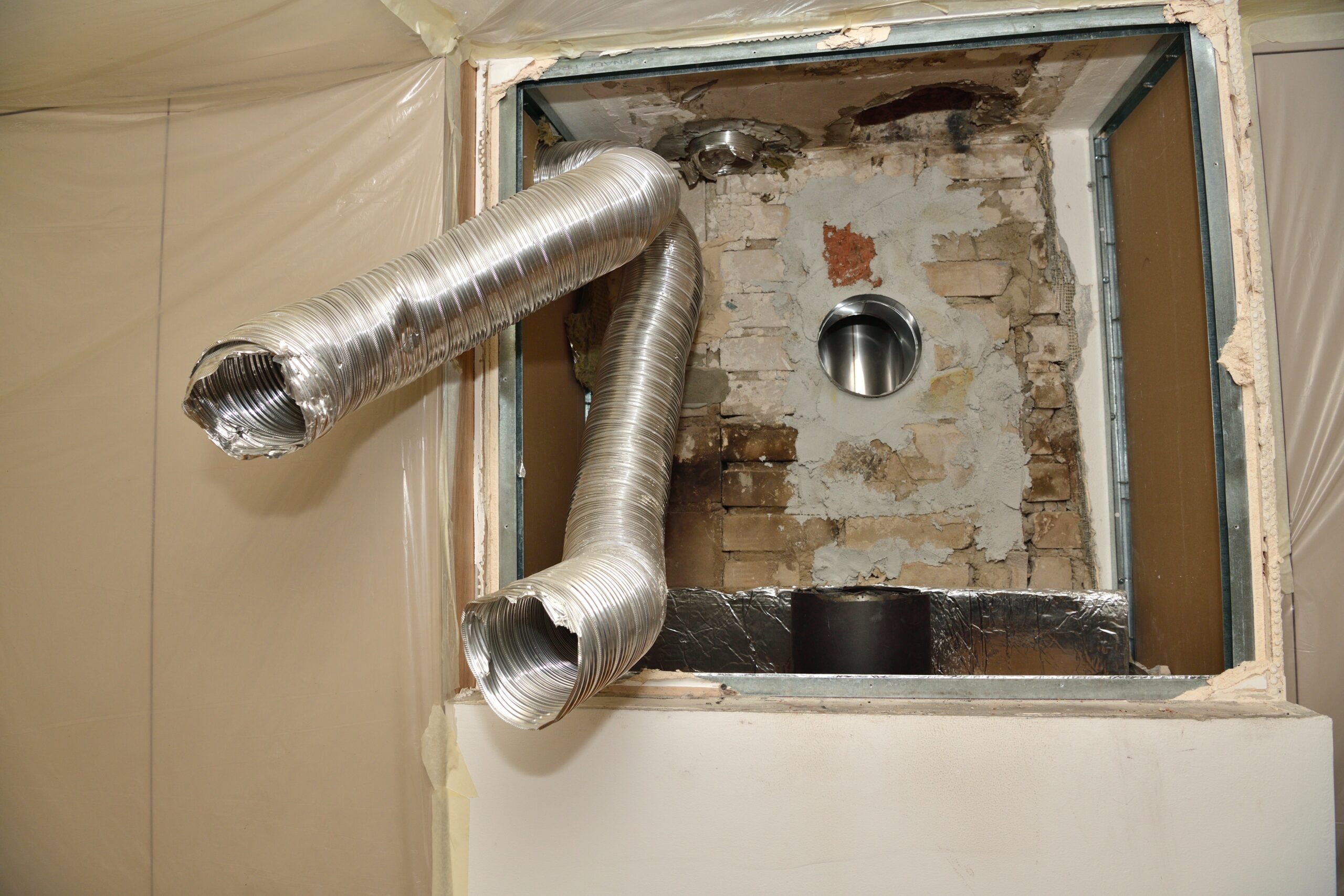
- Rust, liner damage, or loose appliance connections
- Signs of poor draft, staining, or previous leaks
Moisture may also leave white mineral deposits, known as efflorescence, on masonry. In other cases, the first warning is a damp, musty, or smoky smell. An inspection helps identify the source instead of simply masking the odor.
What to Expect During Professional Fireplace Inspection and Cleaning
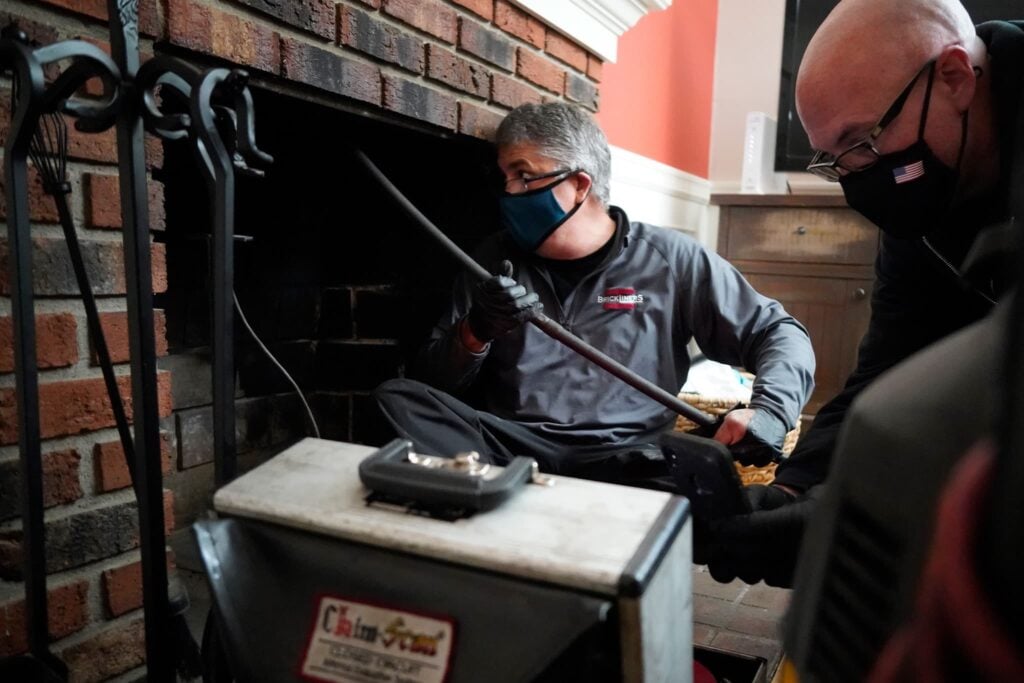
Fireplace inspection and cleaning should be based on the fuel type, chimney condition, and any changes in performance. The technician may examine accessible interior and exterior components, review the flue, and recommend cleaning when deposits or obstructions are present.
Cleaning Needs for Wood-Burning and Gas Systems
Wood-burning fireplaces and stoves may need soot and creosote removed from the flue, smoke chamber, firebox, or connected parts. Gas systems are different because they do not produce wood creosote.
A gas fireplace may still need dust, debris, or glass residue removed. The burner area, logs, blower, electrical components, and accessible venting may also require attention.
Gas Chimney Inspection and Venting Checks
A gas chimney inspection focuses on appliance operation and whether combustion gases are venting correctly. Depending on the system, the technician may check the burner, pilot, logs, glass, connections, blower, and vent pathway.
Unusual odors, soot marks, frequent shutdowns, or changes in flame appearance should be evaluated before the fireplace is used again. Dedicated gas fireplace service may be recommended when the appliance needs cleaning, testing, or repair.
Preventive Solutions for Moisture and Chimney Damage
Once the source is identified, the right repair should address the cause rather than cover the symptom. Depending on the findings, the work may include masonry repairs, breathable chimney waterproofing, crown restoration, flashing repair, or a new chimney cap.
When searching for a fireplace repair company near you, choose a specialist who can evaluate the chimney as a complete system. Water near the fireplace may be entering through the crown, flashing, cap, mortar joints, or another point higher up.
Schedule Your Fireplace Inspection and Cleaning With Brickliners
At Brickliners, we provide chimney checkups, fireplace inspection and cleaning, gas fireplace service, masonry repairs, and water-protection solutions across Vermont, Maine, and New Hampshire.
Doing your inspection before the heating season helps you understand the condition of your system and complete any required work before winter use begins. Schedule your service today so your fireplace and chimney are prepared when colder weather arrives.