A fire should bring comfort, not smoke drifting across your living room. A fireplace smoking into room spaces signals that smoke is not moving outdoors properly. The cause may involve a damper, restricted airflow, or damage hidden above the firebox.
If you’re wondering, Why does my chimney smoke into the room? the answer starts with understanding draft. Some clues are easy to recognize, while others require professional inspection. Identifying the cause helps protect your home and prevents repeated smoky fires.
What a Chimney Needs in Order to Draft
Chimney draft depends on temperature differences, chimney height, and available air. Hot combustion gases rise through the chimney flue while replacement air enters the fireplace to support combustion.
For reliable operation, your system needs:
- An unobstructed route for smoke to escape.
- Adequate replacement air inside the home.
- Proper proportions between the fireplace opening and flue.
- Sound interior surfaces that guide gases upward.
When these conditions change, chimney draft problems can develop, allowing smoke to spill indoors.
Causes You Can Check Yourself
Make observations before lighting a fire, with the fireplace cold. If smoke is already entering your home, stop adding fuel and discontinue use until the cause is addressed.
A Partially Closed Damper
The damper controls the passage between your fireplace and chimney. If partially closed, it restricts escaping gases and can push fireplace smoke into the room.
Before lighting:
- Confirm the damper opens fully.
- Look for visible obstructions without reaching into the chimney.
- Arrange service if the mechanism sticks or appears damaged.
Never force a stuck damper or close it while embers remain.
A Cold Flue Needing a Warm-Up
An unused chimney can hold a column of cold air, particularly during Northeast winters. This can resist the initial upward movement of warm air, causing smoke to spill during startup.
You may encounter advice to burn a piece of newspaper near the damper. Ask a technician about an appropriate warm-up procedure for your fireplace first. Repeated startup smoking requires assessment; warming the flue cannot correct blockage or structural damage.
A Too-Tight House Starving the Fire of Air
A tightly sealed house may not supply enough replacement air. Kitchen range hoods, bathroom exhaust fans, and clothes dryers can lower indoor air pressure and compete with the chimney.
Note whether smoking coincides with these appliances operating. Tell your technician about recent air sealing or window replacement, too. These details help identify drafting problems related to household ventilation. A professional can assess whether a dedicated replacement-air solution is needed.
Causes That Need a Professional
Persistent smoking can indicate an issue with your chimney that cannot be diagnosed from the hearth. A professional chimney sweep can inspect inaccessible areas and determine the appropriate correction.
Blockages, Nests and Debris
Animal nests, fallen masonry, leaves, and creosote buildup can restrict the exhaust pathway. Deposits also create a fire hazard.
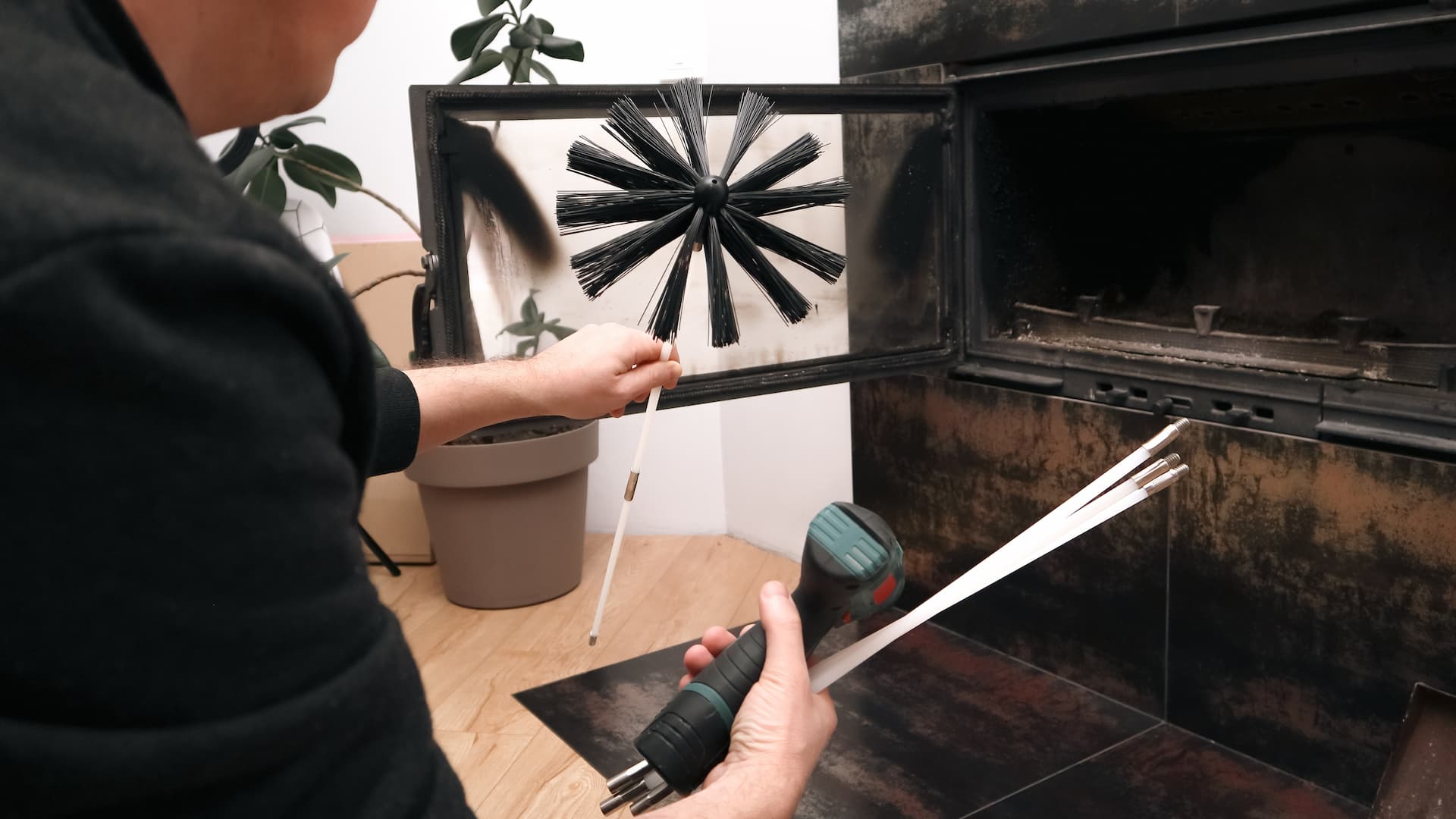
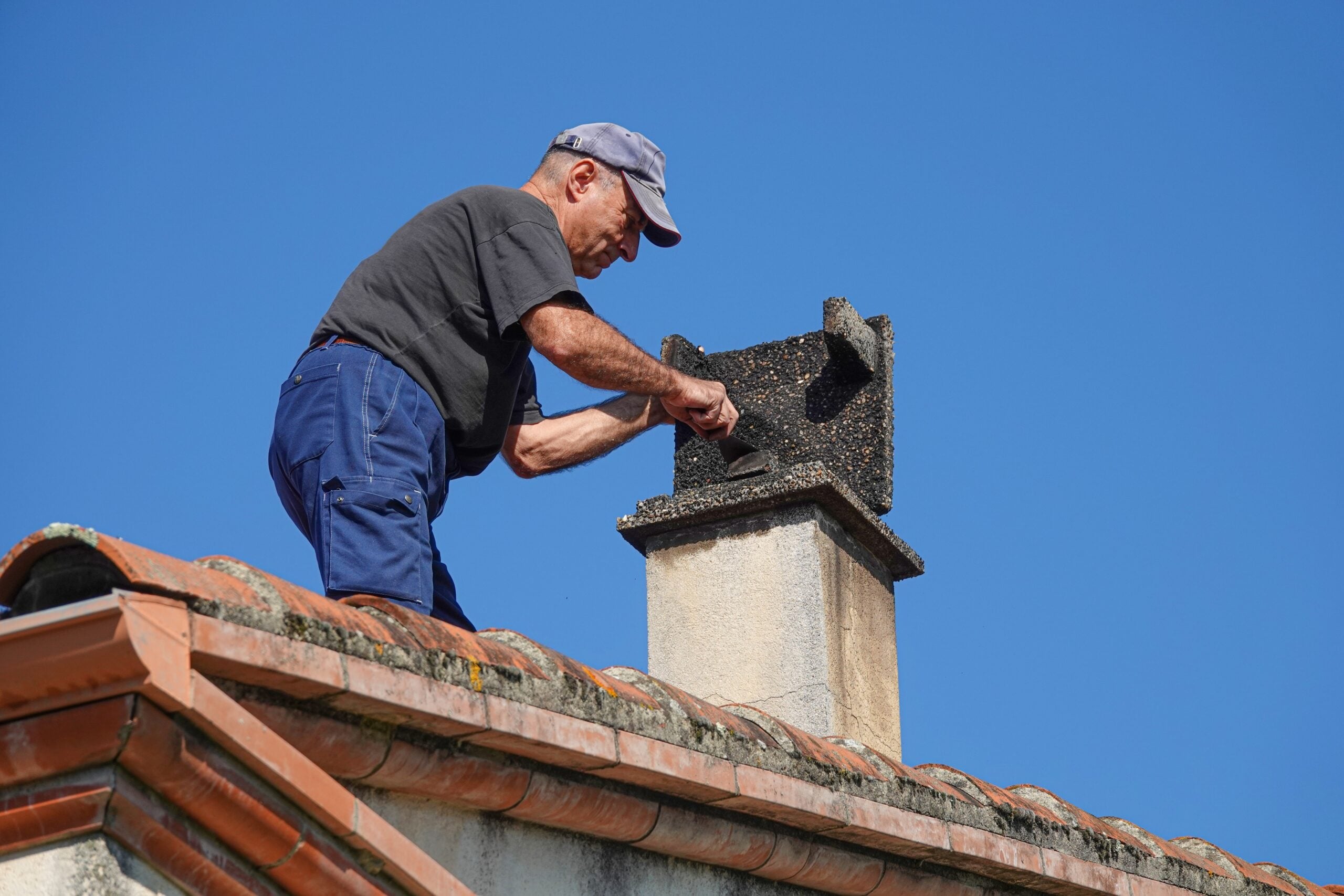
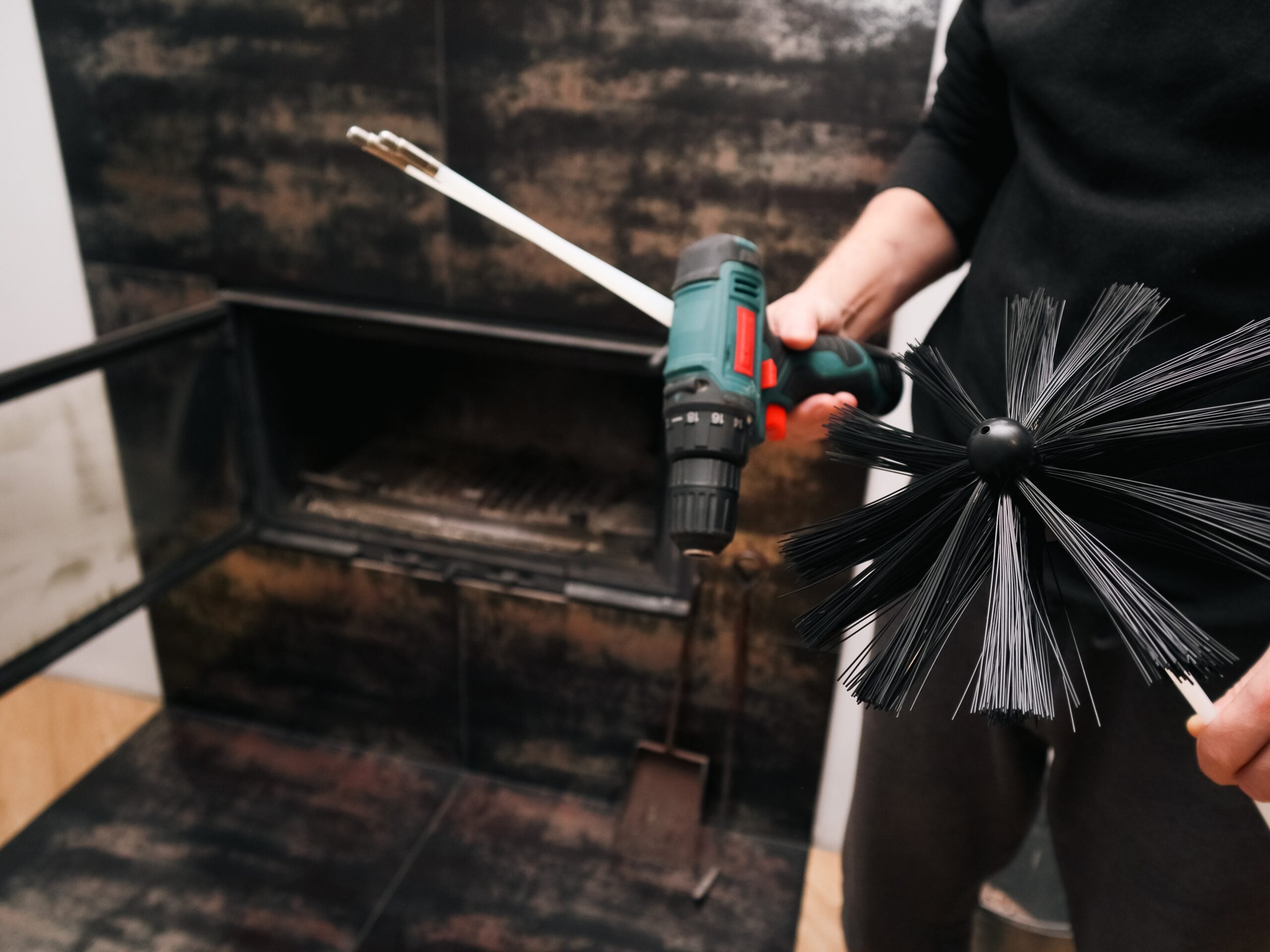
A chimney cap helps keep animals and debris out, but its screen can become obstructed. Schedule chimney sweeping and inspection instead of attempting rooftop removal. Cleaning addresses deposits; damaged components require separate repairs.
An Improperly Sized or Damaged Smoke Chamber
The smoke chamber funnels gases from above the firebox into the flue. Rough smoke chamber walls, unsuitable dimensions, and damaged masonry can interfere with that transition. Cracks and gaps may also allow heat and gases into surrounding construction.
Brickliners provides smoke chamber repair, including parging with specialized refractory mortar. This creates smoother surfaces and seals masonry voids. An inspection determines whether parging or more extensive correction is appropriate.
A Flue That’s Too Short or Too Wide
A short chimney may struggle to generate adequate draft. An oversized flue can allow gases to cool excessively, weakening upward movement.
A certified chimney sweep evaluates height, flue dimensions, fireplace proportions, and surrounding roof conditions together. Recommended modifications should follow applicable building codes and installation requirements. Adding height or changing the liner without evaluating the complete system may leave the underlying problem unresolved.
Why Smoke in the Room Is a Safety Issue, Not a Nuisance
Smoke spilling indoors means combustion products are entering your living space. Wood burning also produces carbon monoxide, an invisible, odorless gas.
If a carbon monoxide alarm sounds, or anyone experiences headache, dizziness, or nausea, leave immediately and call emergency services from outside. Maintain working smoke and carbon monoxide alarms. The National Fire Protection Association recommends annual chimney inspections, with cleaning and repairs as needed.
Get Your Draft Problem Diagnosed by Brickliners
Restore confidence in your fireplace with a diagnosis that addresses the cause. Brickliners serves homeowners in Vermont, Maine, and New Hampshire with chimney inspections, cleaning, and repairs. Call (802) 872-0123 or contact our team to schedule an assessment and discuss the next steps for your home.